Table of Contents
Watercolor Painting: Essential Tools and Resources
Watercolor painting remains one of the most captivating forms of artistic expression, cherished for its versatility, fluidity, and ability to evoke emotion through subtle gradients and luminous hues. Its accessibility makes it appealing to beginners, yet its complexity offers endless challenges and rewards for seasoned professionals.
This guide dives deep into the world of watercolor, exploring everything from foundational tools and materials to advanced techniques and troubleshooting common pitfalls. Whether you’re refining your skills or embarking on your first project, these insights will elevate your creative journey.
The Foundation of Watercolor Success
Mastering watercolor begins with understanding its core principles: how color interacts with water, the role of dilution, and the delicate balance between control and spontaneity. Unlike oil or acrylics, watercolor demands precision in preparation and execution due to the medium’s unpredictable behavior once applied to paper.
Successful watercolorists recognize that the quality of their results hinges on choosing the right materials. From brushes to palettes, each tool plays a critical part in achieving the desired outcome. Neglecting even one component can lead to frustration or wasted effort, emphasizing the importance of a well-stocked toolkit.
- Paper Quality: High-quality watercolor paper resists warping and allows ink to flow smoothly, ensuring vibrant results without texture issues caused by low-grade alternatives.
- Cleanliness: Maintaining clean brushes and working areas prevents muddying of colors and ensures consistency across your work, especially when blending or layering.
Selecting the Right Brush Collection
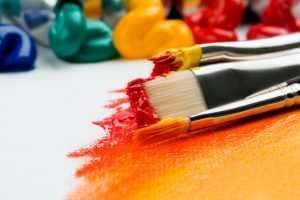
A diverse set of brushes enables watercolor artists to achieve a wide range of effects—from soft washes to intricate detailing. Different brush shapes serve distinct purposes, such as flat brushes for broad strokes and round brushes for fine lines and dots.
Investing in professional-grade brushes made from natural hairs like sable or synthetic fibers designed to mimic their performance significantly impacts the fluidity and control of your paint application. Cheap or worn-out brushes may shed bristles or absorb too much pigment, ruining your artwork.
Brush Shapes and Their Functions
Flat brushes excel at covering large areas quickly, perfect for sky scenes or background elements requiring uniform color distribution. Round brushes, with pointed tips, allow precise placement of pigment, ideal for foliage, hair, or textural accents.
Square brushes offer a compromise between flat and round styles, useful for creating sharp edges or decorative patterns. Specialty brushes, like fan or filbert shapes, add variety to textures and can be invaluable during intricate projects.
The Role of Paint Consistency and Color Choice
Understanding how water affects paint concentration is crucial in watercolor. A thin wash produces light, transparent layers, whereas thicker mixtures yield bolder tones. Artists frequently experiment with varying ratios to discover the optimal blend for their vision.
Choosing high-pigment watercolors enhances vibrancy and longevity of artwork. Brands known for rich saturation and lightfastness become favorites among professionals seeking durability and visual impact in their finished pieces.
Pigment Transparency vs. Opacity
Hue selection greatly influences the final look; transparent colors blend easily over previous layers but lack opacity, making them unsuitable for bold subjects unless layered strategically. Opaque paints, while limited in layerability, provide solid fills without needing multiple coats.
Mixing complementary colors introduces new shades and reduces reliance on additional tubes. Practitioners benefit immensely from learning basic color theory, enabling spontaneous color adjustments mid-session rather than waiting until corrections can be made later.
Maintaining Your Palette and Mixing Areas
Regular cleaning of palettes prevents old paint residue from contaminating fresh batches, which could alter intended tints permanently. Using disposable palette cups minimizes mess while allowing easy disposal after each session without damaging reusable equipment.
Balancing moisture levels in your workspace helps maintain pigment viscosity consistently throughout your painting time. Too dry conditions risk clogging nozzles or altering expected spreads, while excessive humidity may cause unwanted absorption into the base layer before drying fully.
Paper Surface and Weight Considerations
Varying surface textures influence how pigments settle onto canvas, affecting visibility and graininess post-drying. Rough-textured sheets produce pronounced markings suitable for impressionistic landscapes, whereas smooth finishes offer cleaner outcomes better suited for portrait renderings.
The weight of your chosen paper impacts both structural integrity during handling and how quickly layers dry out completely. Heavier weights resist buckling better, particularly when applying numerous translucent glazes demanding extended exposure times prior to subsequent passes.
Different Weights for Varied Applications
Lighter-weight stocks suffice for casual experimentation or travel sketchbooks lacking rigorous reinforcement measures against deformation. Medium-weight options cater to standard desktop setups, balancing portability with reliability expectations typical of most home studios.
Heavyweight premium boards remain popular amongst serious practitioners desiring archival permanence alongside resilience during rigorous wet-on-wet sessions involving repeated soaking intervals essential for successful wash transitions between adjacent sections.
Refining Technique Through Practice Sessions
Consistent practice builds muscle memory vital for executing complex compositions confidently. Focusing initially on controlled exercises focusing solely upon controlling pressure applied versus duration spent dragging particular shapes improves accuracy overtime.
Capture everyday objects around you as subjects for daily studies aiming towards developing observational acuity regarding shadow placement, value contrast, and overall form interpretation abilities applicable to broader thematic explorations planned ahead.
Advanced Techniques for Dynamic Results
Building upon fundamental skill sets opens doors toward expressive techniques capable of producing dramatically compelling visuals. Salt crystallization methods
Innovative approaches incorporate unconventional media alongside traditional mediums; examples include using coffee stains as initial underpaintings enhancing organic development pathways naturally occurring throughout nature-based narratives commonly explored by many contemporary creators today.
Layering Strategies to Maximize Depth
Gaining proficiency requires patience during initial attempts focusing primarily on establishing accurate values before worrying about adding extra dimensions via careful sequencing strategies determining which regions should receive foremost attention relative others based upon spatial relationships established early stages.
Progressively increasing intensity through gradual layer accumulations maintains desirable translucency qualities otherwise lost prematurely when trying shortcut methodologies leading inevitably downwards spirals where results exceed expectations only occasionally occurring rarely unless carefully managed closely monitored throughout entire processes involved.
Common Errors and Remedies Among Beginners
Frequent beginner errors stem from rushing through preliminary steps resulting in mismatched proportions or incorrect perspective assumptions undermining realistic appearances achievable merely through diligent observation coupled sufficient technical knowledge acquired gradually rather abruptly attained overnight miracles rarely observed anywhere realistically existing within real life scenarios.
Misunderstanding drying rates leads predictably problematic situations wherein attempted further modifications occur simultaneously with ongoing moisture presence beneath already dried top surfaces rendering additional touches ineffective incapable of integrating seamlessly within previously established boundaries defining finalized product appearances now irreversibly fixed unable alteration afterward without risking catastrophic damage exceeding original piece worth entirely negated outright loss complete destruction occurred despite best efforts invested earlier phases.
Integrating Digital Elements with Traditional Practices
Modern hybrid workflows combine conventional hand-applied watercolors with digital enhancement opportunities presented through software platforms offering simulated environments replicating physical material behaviors accurately capturing minute nuances present authentic originals ensuring faithful representation regardless technological medium employed ultimately bridging gap separating analog pastibilities tangible realities accessible electronically enabled devices.
Utilizing scanners converts handwritten creations into editable vector graphics amenable vector editing applications facilitating alterations impossible manual retouching otherwise achievable exclusively physically through tedious laborious means consuming substantial amounts temporal resources arguably impractical cost-benefit analyses concluding unequivocally opting digital solutions far superior practical considerations convenience efficiency surpassing traditional counterparts notably improved workflow efficiencies achieved effortlessly instantaneously.
Cultivating Personal Style Through Continuous Exploration
Developing individual identity emerges progressively through prolonged engagement sustained commitment continuously pushing limits expanding horizons embracing novel possibilities continually redefining oneself evolving creatively forever propelled forward momentum generated self-driven initiatives propelling ever-deepening understandings profound appreciation emerging from immersive experiences repeatedly reinforcing personal growth trajectories firmly grounded solid foundation built strong convictions guiding future directions positively shaping destinies determined personally defined paths taken deliberately charted course unfolding uniquely distinctive journeys embarked enthusiastically wholeheartedly pursued relentlessly.
Engaging fellow community members fosters exchange ideas inspiration collaborative partnerships accelerating development processes exponentially surpassing solitary endeavors isolated pursuit goals solely self-imposed limitations unnecessarily restricting potential expanses reachable collectively shared achievements magnified manifold multiplied together generating synergistic effects transcending individual contributions combining strengths complementing weaknesses producing resultant outputs far greater than sum parts contributing elements combined harmoniously seamlessly unified integrated cohesive entities greater than mere aggregations separate components.
Conclusion
Whether you’re a novice painter testing waters or a veteran seeking new challenges, mastering watercolor requires dedication, practice, and an openness to explore beyond comfort zones. Every stroke contributes toward refinement mastery awaits those prepared embrace evolution inevitable consequence perpetual motion driving continual advancement toward higher echelons excellence recognized globally revered universally acknowledged timeless beauty enduring appeal.
To truly flourish, invest time experimenting with varied materials techniques continually updating knowledge bases absorbing latest innovations incorporating wisely cultivating robust portfolio showcasing full breadth capabilities developed through relentless pursuit perfection strive always reach next level creativity never ceasing quest uncover hidden potentials residing dormant capacities awakened through persistent endeavors undertaken bravely boldly forthrightly fearlessly advancing along trajectory dictated by passionate heart dedicated mind unyielding spirit tirelessly pursuing ultimate truth encapsulated within exquisite works produced painstakingly crafted masterpieces bearing testament unwavering devotion committed to eternal love affair between artist brush parchment.

news is a contributor at Arts Painter. We are committed to providing well-researched, accurate, and valuable content to our readers.