The exhibition showcases Al-Akhir’s unique blend of traditional and modern art, which has garnered significant attention from art enthusiasts and critics alike.
Table of Contents
The Art of Al-Akhir Sarker
Al-Akhir Sarker is a Bangladeshi artist known for his innovative and eclectic style, which seamlessly blends traditional and modern elements. His art often explores the intersection of culture, history, and identity, reflecting the complexities of the human experience. Key themes in Al-Akhir’s work include: + The relationship between tradition and modernity + The impact of cultural exchange on identity + The role of art in shaping cultural narratives
The Exhibition “Satoborsher Dhaka”
The solo exhibition “Satoborsher Dhaka” is a culmination of Al-Akhir’s artistic journey, showcasing his unique vision and creative expression.
He is known for his unique style of painting, which blends traditional techniques with contemporary themes and ideas.
A Glimpse into the Artistic World of Al-Akhir Sarker
Al-Akhir Sarker’s artistic journey began at the University of Dhaka, where he honed his skills in traditional painting techniques.
The city has a rich cultural heritage, with a blend of Hindu, Muslim, and Buddhist influences. The city’s architecture reflects this diversity, with a mix of Mughal, Islamic, and European styles.
The Early Years of Dhaka
Dhaka’s history began in the seventh century CE, when it was a small settlement on the banks of the Buriganga River. The settlement was initially inhabited by the Hindu community, who were attracted to the area’s fertile soil and abundant water supply. Over time, the settlement grew and became an important center for trade and commerce. Key features of Dhaka’s early years: + Small settlement on the banks of the Buriganga River + Initially inhabited by the Hindu community + Attracted to the area’s fertile soil and abundant water supply + Grew into an important center for trade and commerce
The Mughal Era
In the 17th century, Dhaka was made the capital of Bengal by the Mughal Empire. The Mughals brought with them their unique architectural style, which blended Indian, Persian, and Islamic influences.
The artist’s use of colors is vibrant and bold, reflecting the city’s energy and spirit.
The Art of Sarker: A Reflection of Dhaka’s Vibrant Spirit
A City in Motion
Dhaka, the capital city of Bangladesh, is a metropolis that never sleeps. Its streets are filled with the sounds of honking horns, chattering pedestrians, and the hum of motorcycles. The city’s energy is palpable, and it’s a sensation that Sarker captures beautifully in his art.
The Artist’s Inspiration
Sarker’s art is deeply rooted in his love for his city. He draws inspiration from the city’s vibrant markets, bustling streets, and the majestic river Buriganga. His paintings are not just a representation of the city, but a reflection of its soul.
A Reflection of the City’s Soul
Sarker’s art is not just about capturing the city’s physical beauty; it’s also about conveying the emotions and feelings that come with living in a city like Dhaka. His paintings are a reflection of the city’s soul, a soul that is full of life, energy, and passion. The artist’s use of colors is a key element in conveying the city’s emotions and feelings.
The exhibition showcases Al-Akhir’s unique style of painting, which blends traditional Bangladeshi art with modern elements.
The Art of Al-Akhir Sarker
Al-Akhir Sarker is a Bangladeshi artist known for his distinctive style of painting, which combines traditional Bangladeshi art with modern elements. His artwork often features vibrant colors and intricate patterns, drawing inspiration from the rich cultural heritage of Bangladesh. Key characteristics of Al-Akhir’s art: + Vibrant colors and intricate patterns + Blend of traditional Bangladeshi art with modern elements + Inspiration from Bangladesh’s rich cultural heritage
The Exhibition “Satoborsher Dhaka”
The solo art exhibition “Satoborsher Dhaka” is a showcase of Al-Akhir’s unique style of painting. The exhibition features a collection of his artwork, including paintings, sketches, and prints. The artwork on display is a testament to Al-Akhir’s skill and creativity, with each piece showcasing his mastery of color and pattern. Highlights of the exhibition: + A collection of paintings, sketches, and prints + Showcase of Al-Akhir’s unique style of painting + Display of his mastery of color and pattern
The Inauguration Ceremony
The inauguration ceremony of the exhibition was attended by the trustee of the Liberation War Museum and writer Mofidul Haque as the chief guest. The ceremony was marked by the presentation of a souvenir to the chief guest, followed by a speech by the curator of the exhibition.
He was a pioneer of art galleries in Dhaka and was known for his love of art and his ability to bring people together through his work.
The Life and Times of Foyez Ahmed
Foyez Ahmed was born in Bikrampur, a small town in the Sylhet region of Bangladesh. Growing up in a family of modest means, Ahmed’s early life was marked by hardship and struggle. Despite these challenges, he developed a passion for art and literature, which would eventually become the driving force behind his career.
Early Years and Education
The Exhibition
The exhibition is a testament to Ahmed’s enduring legacy and his impact on the art world in Dhaka. The show features a wide range of artworks, including paintings, sculptures, and photographs, that showcase Ahmed’s unique style and vision.
Featured Artists
+ Ahsanullah + Moinul Islam + Shahidul Alam
The Significance of the Exhibition
The exhibition is not just a celebration of Ahmed’s life and work, but also a tribute to the city of Dhaka and its rich cultural heritage.
The city’s history is marked by the presence of various architectural styles, including Mughal, Islamic, and European influences.
The Early Years: Hindu and Muslim Rulers
Dhaka’s history began with the Hindu rulers of the Pundra region.
The artist’s use of colors is vibrant and bold, reflecting the beauty of the city’s waterways.
The Art of Sarker: A Reflection of Dhaka’s Beauty
A City in Flux
Dhaka, the capital city of Bangladesh, is a metropolis in constant transformation. The city’s rapid growth and development have led to a mix of old and new, traditional and modern.
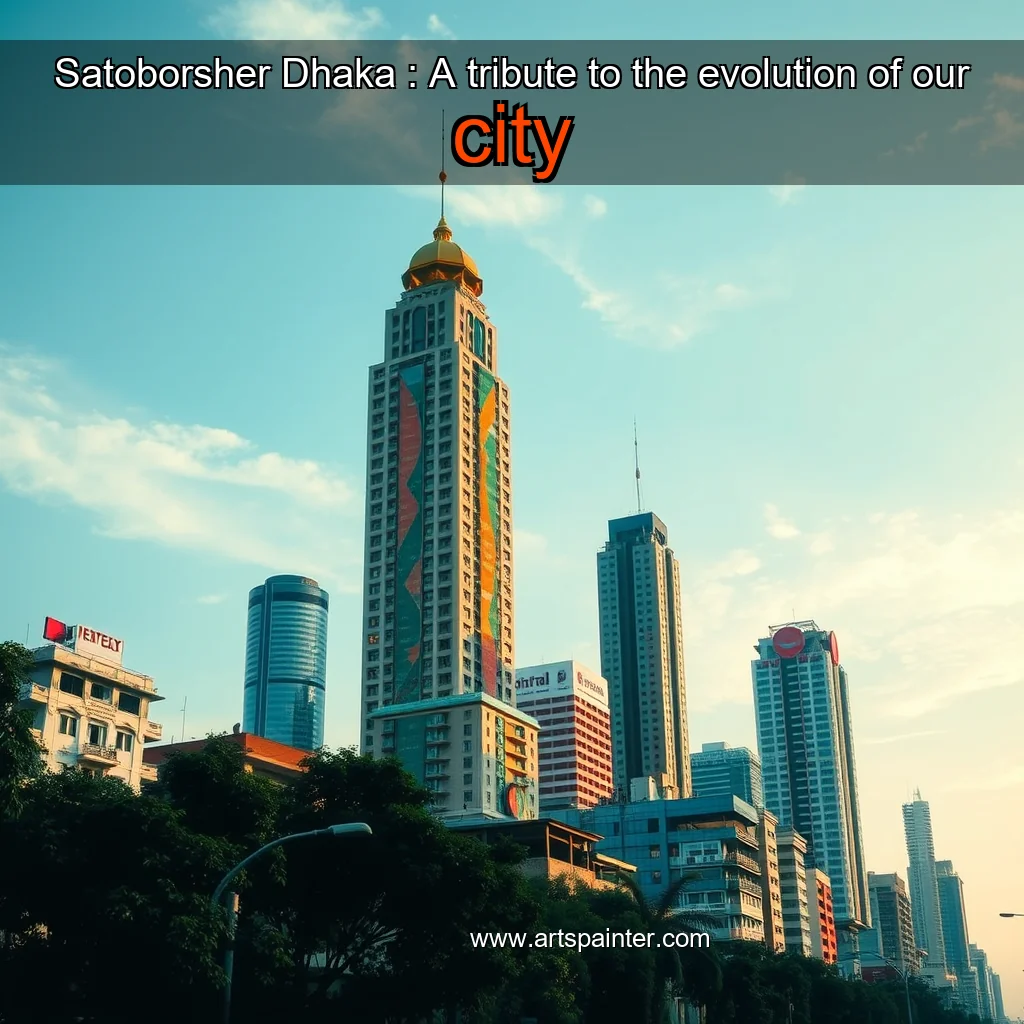
The exhibition showcases the evolution of Dhaka’s architecture, from the colonial era to the present day, highlighting the city’s unique cultural heritage and its blend of traditional and modern elements.
The Colonial Era: A Legacy of Influence
The exhibition begins with the colonial era, a period that had a profound impact on Dhaka’s architecture. During this time, the British East India Company established its presence in the city, bringing with it a unique blend of European and Asian architectural styles.

news is a contributor at Arts Painter. We are committed to providing well-researched, accurate, and valuable content to our readers.