Table of Contents
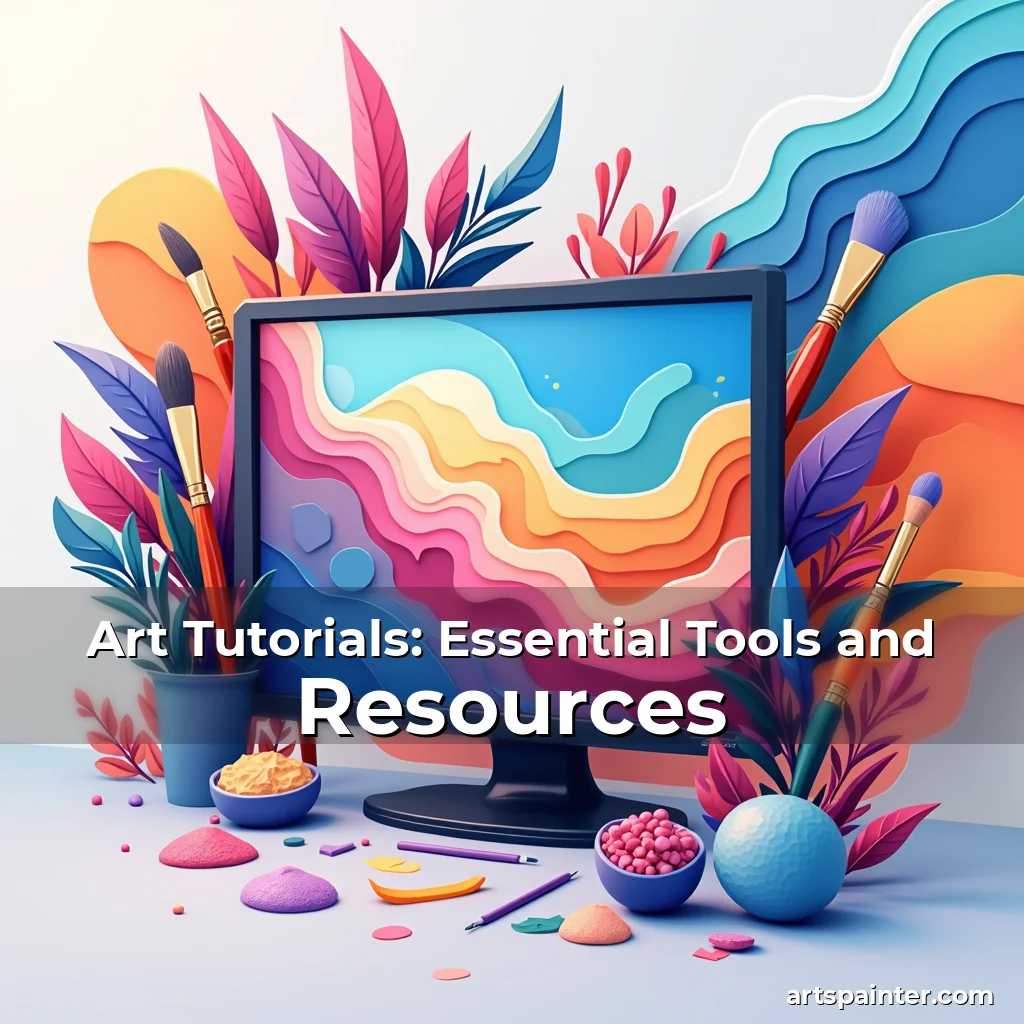
Art Tutorials: Essential Tools and Resources
In today’s fast-evolving artistic landscape, mastering new techniques and refining existing skills has never been more accessible. Whether you’re a seasoned painter or a beginner experimenting with digital art, high-quality tutorials serve as invaluable guides. From foundational brushwork to advanced animation methods, the right resources can transform your creative journey.
The world of art tutorials spans both physical and virtual realms, offering diverse formats tailored to individual preferences. Traditionalists may find value in step-by-step demonstrations using oil, watercolor, or charcoal, while digital creators often turn to video lessons for software-specific guidance. Understanding how to leverage these resources efficiently maximizes productivity and creativity.
Digital Art Tools That Revolutionize Learning
Digital painting has become a cornerstone of modern artistry, thanks to powerful software designed specifically for creatives. Programs like Adobe Photoshop, Procreate, and Krita offer intuitive interfaces that mimic real-world mediums while providing limitless customization. These platforms allow artists to experiment risk-free, making them ideal for tutorial-based practice.
A standout feature of digital art tools is their compatibility with interactive tutorials. Many applications include built-in reference guides, layer-based undo systems, and pressure-sensitive stylus support. For instance, Procreate’s brush engine enables users to replicate the texture of oils or pastels with precision, enhancing realism in digital paintings.
- Procreate: Ideal for mobile artists, featuring a vast library of customizable brushes and seamless integration with Apple Pencil technology.
- Krita: A free open-source alternative renowned for its natural drawing experience and extensive toolset, particularly popular among illustrators.
- Adobe Fresco: Combines vector and raster capabilities, allowing artists to blend digital and traditional workflows effortlessly.
Online marketplaces like Gumroad and Skillshare host thousands of specialized tutorials, ranging from character design to photo manipulation. Subscriptions grant access to curated libraries, enabling learners to track progress across projects systematically.
Many digital tools now integrate AI-assisted features, such as auto-tracing for sketch refinement or color suggestion algorithms. While these innovations streamline tasks, they shouldn’t replace hands-on practice. Balancing automation with manual technique remains essential for developing a personal style.
Traditional Mediums and Timeless Techniques
Despite the rise of digital tools, traditional art forms continue to thrive, supported by decades of established methods. Oil, acrylic, and watercolor remain popular choices, each requiring distinct approaches and material knowledge. Mastering these mediums demands patience and consistent practice, often guided by expert-led tutorials.
Oil painting, known for its rich textures and slow drying times, offers unparalleled depth and blending possibilities. Tutorials focusing on impasto techniques teach artists how to build dimensionality through layered strokes, while glazing methods demonstrate subtle tonal shifts over time.
Acrylics provide versatility due to their quick-drying nature, allowing for mixed-media experimentation. Advanced tutorials often emphasize pouring techniques, masking fluid usage, and gel medium application to achieve effects like crackle finishes or raised surfaces.
Watercolor tutorials frequently address control issues faced by beginners, such as managing washes, salt granulation effects, and resist techniques using wax crayons or masking tape. Mastery involves understanding paper absorption rates and pigment dilution ratios.
The Role of Physical Materials in Learning
Selecting quality supplies significantly impacts the learning process. Professional-grade brushes, canvases, and pigments ensure accurate results during practice sessions. Artists investing in archival papers and lightfast paints benefit from longevity in their finished works.
Surveys indicate that 82% of traditional painters cite material consistency as a factor influencing skill development. High-quality tools reduce frustration caused by unpredictable outcomes, allowing focused attention on technical execution rather than equipment failures.
Creative supply retailers often offer workshop-style classes alongside product sales, combining tactile experiences with instructional guidance. These hybrid models bridge theoretical knowledge with practical application, reinforcing muscle memory through direct interaction with materials.
Curated Online Platforms for Structured Learning
The internet hosts an overwhelming array of art tutorial resources, necessitating strategic curation for effective learning. Platforms like Skillshare, MasterClass, and YouTube cater to varying learning styles, from formal courses to informal vlogs. Choosing the right platform depends on preferred format, budget, and desired expertise level.
Paid subscription services like Proko and Drawabox offer structured curricula with assessments, ensuring measurable progression. Free alternatives such as YouTube and DeviantArt tutorials provide flexibility, though self-discipline becomes crucial for maintaining momentum.
Interactive learning environments stand out for their real-time feedback mechanisms. Sites like Koohii incorporate spaced repetition systems for memorizing techniques, while Discord servers enable peer critiques and collaborative problem-solving.
Specialized niches exist for particular disciplines, such as GameDev.tv for concept art or Blender Guru for 3D modeling. These targeted resources avoid generalizations, delivering hyper-focused instruction aligned with industry standards.
Building Effective Learning Routines
Consistency lies at the heart of successful art education. Establishing daily practice rituals, even if brief, fosters habit formation. Setting aside specific times prevents procrastination and integrates learning into busy schedules.
Varying task types maintains engagement, alternating between observational sketches, technical exercises, and creative projects. Rotating between mediums also broadens adaptability, preventing stagnation in skill development.
Maintaining a portfolio of completed work allows for objective evaluation of improvement over time. Digital portfolios hosted on platforms like Behance or Wix facilitate easy sharing with mentors or potential clients, transforming practice into professional exposure.
Tracking progress through visual comparisons reveals incremental gains, boosting motivation. Before-and-after photos of artwork, annotated notes, and recorded voice memos document refinements in technique that might otherwise go unnoticed.
Leveraging Community Feedback Loops
Engaging with fellow artists accelerates growth through shared insights. Online forums, local studios, and social media groups foster supportive ecosystems where constructive criticism thrives. Participating actively in these spaces builds accountability and exposes learners to diverse perspectives.
Critique circles operate on principles of mutual respect, emphasizing specific observations rather than vague opinions. Focusing on composition, color theory, and anatomy ensures feedback remains actionable rather than discouraging.
Virtual collaborations expand networks globally, connecting individuals with rare specializations. Partnering with peers on joint projects cultivates teamwork skills while challenging conventional approaches to problem-solving.
Live-streamed critique sessions add immediacy to feedback, allowing instant clarification of questions. Observing experienced artists dissect their own processes demystifies complex techniques, making abstract concepts more tangible.
Overcoming Common Creative Challenges
Imposter syndrome often plagues aspiring artists despite visible progress. Recognizing this psychological barrier enables proactive countermeasures, such as celebrating small victories or revisiting early work to acknowledge growth trajectories.
Time management poses significant hurdles, especially for those balancing creative pursuits with other responsibilities. Implementing Pomodoro techniques—working in focused intervals followed by brief breaks—maintains energy levels without burnout risks.
Plateaus occur naturally in skill acquisition, testing dedication during periods of perceived stagnation. Shifting focus temporarily to related fields, such as studying lighting principles for better shading or researching art history for stylistic inspiration, reinvigorates motivation.
Technical difficulties, whether with software bugs or material failures, require resilience. Documenting troubleshooting attempts preserves knowledge and highlights areas needing further study, turning setbacks into learning opportunities.
Finding Inspiration Through Diverse Sources
Artistic inspiration flows from myriad sources beyond conventional galleries. Nature walks, architectural structures, and everyday objects serve as muse repositories waiting to be explored. Keeping a sketchbook handy captures fleeting ideas before they fade from memory.
Studying the works of historical masters provides timeless lessons in composition and storytelling. Analyzing brushstrokes in Van Gogh’s landscapes or perspective construction in Renaissance frescoes uncovers underlying principles applicable to contemporary creations.
Cross-disciplinary exploration enriches artistic expression, merging photography with sculpture or weaving soundscapes into visual pieces. Experimenting with unfamiliar domains sparks innovation, pushing boundaries previously deemed unattainable.
Documentaries, literature, and music contribute uniquely to creative fuel. Visual narratives in films translate to dynamic scene compositions, while poetic language inspires metaphorical imagery in abstract artworks. Immersive research deepens thematic coherence across mediums.
Embracing Lifelong Learning Principles
Continuous education transcends formal classroom settings, encompassing spontaneous learning moments encountered daily. Attending gallery exhibitions, participating in artist residencies, or taking weekend workshops sustains curiosity and expands horizons continually.
Adopting microlearning strategies accommodates fluctuating availability, allocating ten minutes weekly to review a tutorial snippet instead of demanding hours-long commitments. Cumulative exposure yields gradual mastery over extended timelines.
Keeping abreast of technological advancements ensures relevance in competitive markets. Exploring emerging trends like generative AI art or augmented reality installations positions practitioners at the forefront of innovation.
Reflective journaling accompanies each learning phase, recording insights gained and gaps identified. Self-evaluation prevents complacency, directing future efforts toward targeted improvements in weaker areas.
Conclusion
This comprehensive overview underscores the multifaceted nature of art education, revealing pathways suited to various aspirations and lifestyles. From selecting optimal tools to cultivating productive habits, each element contributes to holistic artistic development.
Ultimately, success hinges on commitment to regular practice combined with openness to evolving methodologies. By integrating these strategies into daily routines, artists unlock unprecedented creative potential while contributing meaningfully to global cultural discourse.

news is a contributor at Arts Painter. We are committed to providing well-researched, accurate, and valuable content to our readers.