Table of Contents
The Art Gallery Experience: A Sanctuary for Artists and Creatives
In an era where digital platforms dominate artistic expression, physical art galleries remain vital spaces that celebrate creativity in tangible form. For artists and creative professionals, these venues offer not only exposure but also inspiration through direct engagement with diverse works.
Whether you’re an emerging painter or a seasoned sculptor, understanding how art galleries function can enhance your career trajectory. This guide explores everything from gallery dynamics to innovative exhibition strategies tailored specifically for small spaces.
The Role of Art Galleries in Contemporary Art
Modern art galleries serve as cultural hubs that bridge creators and audiences. They provide curated environments where visual narratives gain deeper resonance through thoughtful presentation.
These spaces foster dialogue between artists and viewers by creating immersive experiences. The curation process itself becomes part of the artwork’s journey, influencing public perception and appreciation.
Galleries also play crucial roles in market development. Through exhibitions and sales events, they establish value systems that shape collecting trends across different mediums.
- Curatorial expertise: Professional curators select pieces based on thematic coherence and aesthetic balance.
- Audience engagement: Interactive installations encourage visitors to become active participants rather than passive observers.
Moreover, galleries act as incubators for new talent. Emerging artists benefit from mentorship programs and networking opportunities facilitated within these walls.
Designing Exhibitions for Limited Space
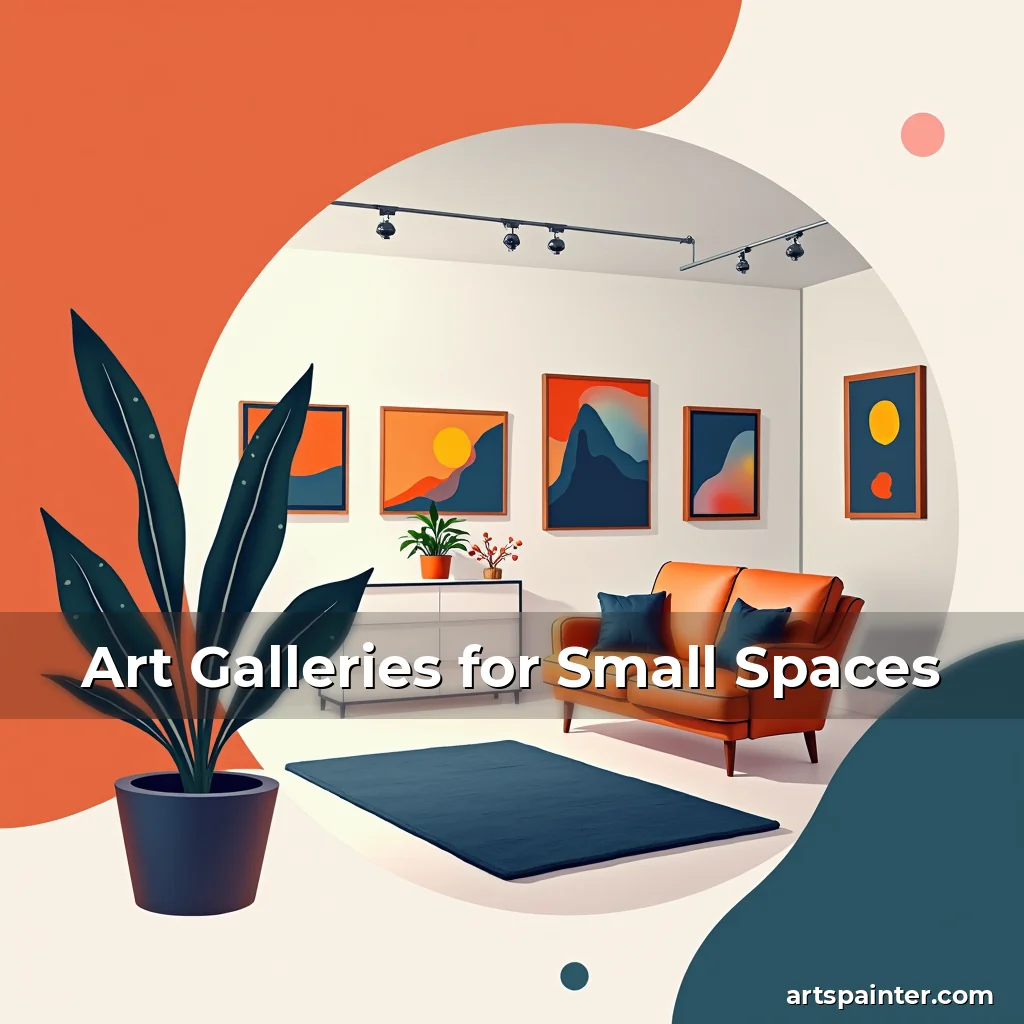
Creative spatial solutions are essential when exhibiting in compact areas. Strategic use of vertical space allows for multi-level displays without overwhelming visitors.
Lighting plays a pivotal role in transforming cramped quarters into dynamic showcases. Directional spotlights emphasize key artworks while maintaining ambient illumination for navigation.
Mirrors and reflective surfaces can create optical illusions that make rooms feel larger. These elements help maintain visual continuity even in tight configurations.
Modular furniture offers flexibility for reconfiguring layouts depending on exhibit needs. Mobile pedestals and adjustable lighting fixtures adapt easily to changing display requirements.
Smart storage solutions maximize floor space efficiency. Concealed shelving units and retractable panels allow seamless transitions between exhibits.
Building Effective Artist-Gallery Relationships
Fostering strong professional connections is fundamental to successful gallery representation. Clear communication channels ensure both parties understand expectations and goals.
Regular portfolio updates keep galleries informed about evolving creative directions. Including recent work samples demonstrates commitment to growth and innovation.
Participating in pre-opening viewings provides opportunities to discuss exhibition logistics firsthand. These meetings clarify practical aspects such as installation timelines and promotional plans.
Establishing mutual trust requires consistent reliability. Meeting deadlines and delivering quality work reinforce credibility within the industry network.
Sharing marketing materials helps align brand identities. Consistent visual themes across various media strengthen recognition among potential buyers.
Navigating Gallery Agreements
Understanding contractual terms protects both artists and galleries from misunderstandings. Key clauses include commission rates, exhibition duration, and termination conditions.
Detailed agreements outline financial responsibilities regarding shipping costs, insurance coverage, and tax implications. Clarifying these matters prevents disputes over revenue distribution.
Exclusive vs non-exclusive contracts determine geographic reach limitations. Choosing appropriately ensures visibility without restricting future collaboration possibilities.
Reputation clauses safeguard against damage to an artist’s image through improper handling or misrepresentation of their work.
Royalty structures vary significantly between institutions. Negotiating fair compensation models benefits long-term sustainability for creatives.
Leveraging Technology in Modern Galleries
Digital tools now complement traditional gallery functions, enhancing visitor experience without replacing human interaction. Augmented reality features allow virtual exploration of three-dimensional sculptures.
Interactive kiosks enable users to access detailed information about each exhibited piece. Touchscreen interfaces provide multimedia content including artist statements and technical specifications.
Online catalogs extend accessibility beyond physical locations. High-resolution images with zoom capabilities let remote collectors examine works closely before purchasing decisions.
Social media integration facilitates real-time sharing of gallery happenings. Live streaming sessions connect global audiences with current exhibitions.
Data analytics track visitor behavior patterns, informing future curation choices. Heat maps reveal which areas receive most attention during open hours.
Cultivating Community Engagement Strategies
Successful galleries build vibrant communities around their exhibitions. Hosting regular workshops encourages skill-sharing between established practitioners and newcomers alike.
Artist residencies offer immersive learning experiences under expert guidance. Participants develop projects inspired by local culture while gaining institutional support.
Public lectures featuring renowned figures stimulate intellectual discourse within creative circles. These talks often spark collaborative initiatives afterward.
Family-friendly programming introduces younger generations to contemporary art forms. Hands-on activities make abstract concepts accessible through tactile experimentation.
Community outreach efforts expand influence beyond typical demographics. Partnering with schools creates lasting educational impacts through sustained involvement.
Educational Opportunities Within Galleries
Many modern galleries incorporate teaching components into their operations. Guided tours explain conceptual frameworks behind featured artworks.
Hands-on demonstration stations allow visitors to experiment with different techniques using provided materials. These interactive zones demystify complex processes involved in creation.
Specialized seminars address niche topics ranging from color theory applications to mixed-media approaches. Experts lead discussions covering both historical contexts and current innovations.
Youth programs introduce foundational skills through structured curriculum modules. Age-appropriate lessons cultivate appreciation from early developmental stages.
Continuing education courses cater to advanced learners seeking refinement of existing abilities. Advanced workshops explore specialized fields requiring focused study periods.
Preserving Cultural Heritage Through Exhibitions
Exhibiting culturally significant works preserves traditions that might otherwise fade into obscurity. Curated collections document regional histories through visual storytelling methods.
Traditional craft demonstrations showcase artisanal practices passed down through generations. These live presentations highlight material properties and construction techniques used historically.
Comparative studies juxtapose ancient methodologies with contemporary adaptations. Such contrasts illuminate evolutionary trajectories in artistic expression.
Language preservation efforts accompany multilingual label translations. Ensuring accurate terminology supports meaningful interpretation across linguistic boundaries.
Archival research informs contextual framing of displayed items. Historical documentation enhances understanding of provenance and significance within broader sociocultural landscapes.
Adapting to Changing Market Trends
The art world continuously evolves alongside technological advancements and shifting consumer preferences. Staying attuned to these changes ensures relevance in competitive markets.
Emerging formats challenge conventional gallery models. Pop-up exhibitions test flexible business strategies while reaching untapped demographic segments.
Hybrid events combine physical presence with online participation options. Virtual reality components enable global audiences to engage remotely yet meaningfully.
Sustainable practices reduce environmental impact through eco-conscious sourcing and energy-efficient technologies. Green certifications attract environmentally conscious patrons.
Data-driven decision making improves operational efficiency. Analyzing visitor feedback refines offerings according to actual demand patterns observed firsthand.
Measuring Exhibition Success Metrics
Quantitative assessments gauge immediate effectiveness of exhibitions. Attendance numbers reflect initial interest levels generated by promotional campaigns.
Sales performance indicates commercial viability of presented works. Tracking individual item turnover reveals popular styles preferred by collectors.
Engagement metrics measure depth of visitor interactions. Time spent at particular displays correlates with perceived intrigue surrounding those selections.
Feedback surveys capture qualitative impressions left upon departure. Open-ended responses identify strengths and weaknesses requiring improvement.
Analyzing repeat visitation rates highlights loyalty factors maintained effectively through ongoing programming schedules.
Conclusion
Art galleries continue to evolve as essential platforms connecting artists with wider audiences. Their multifaceted roles encompass education, community building, and economic development simultaneously.
By embracing innovation while respecting tradition, these spaces remain relevant despite rapid transformations occurring globally. Maintaining this delicate balance ensures continued vibrancy within the ever-expanding universe of visual arts.
“`<|End of response|>“`

news is a contributor at Arts Painter. We are committed to providing well-researched, accurate, and valuable content to our readers.