Table of Contents
From Waste to Masterpiece
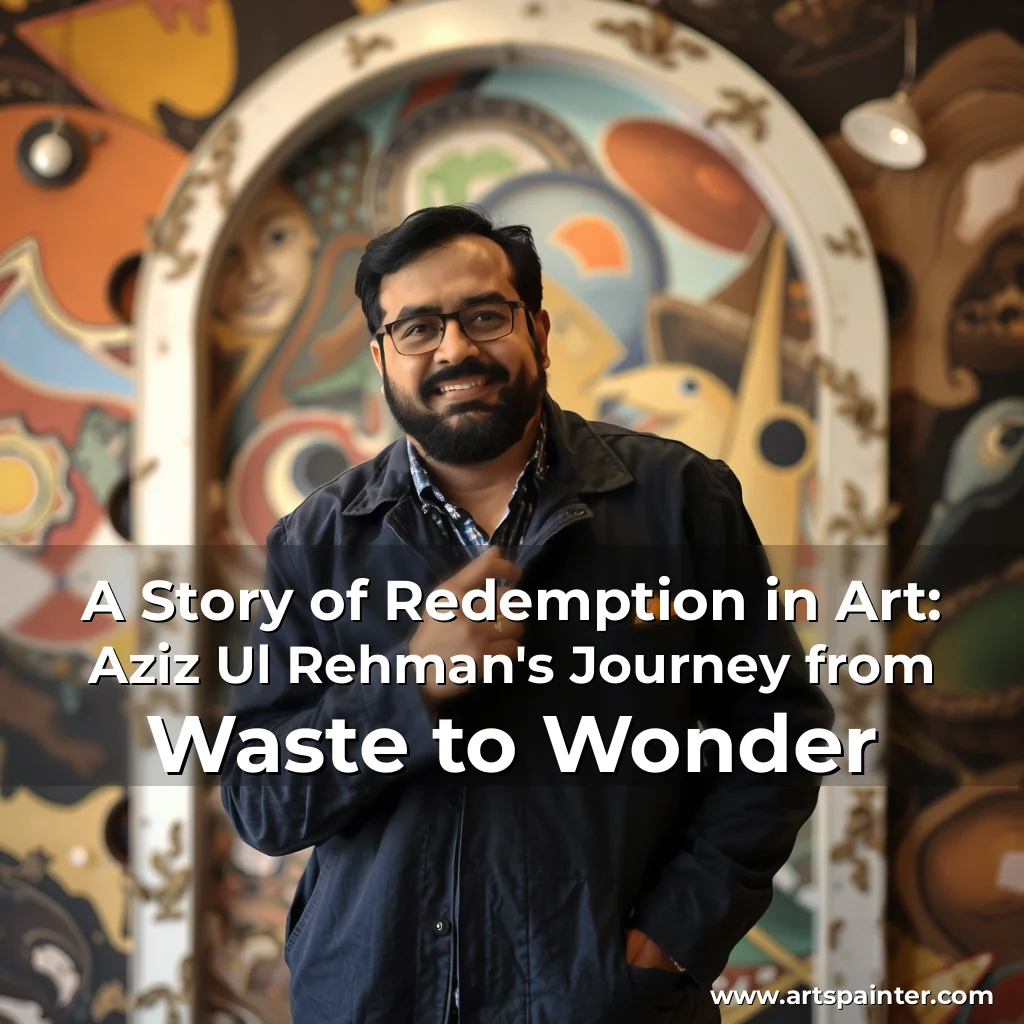
Most people toss animal bones away without a second thought. However, for Aziz Ul Rehman, they are anything but waste. In his small, dimly lit workshop, he runs his fingers over a discarded sheep skull, envisioning the masterpiece it could become. Where others see scraps, he sees stories waiting to be told.
- Aziz’s fascination with animals, plants, and the natural world began at a young age.
- He spent his early years exploring and learning about the world around him.
- His passion for art was evident even back then.
A Career Shift
After ditching his corporate job, the 25-year-old entrepreneur and artist began turning waste into wealth. His most outstanding and unconventional raw material? Animal bones. He is likely the first artist in Kashmir to specialise in animal bone art, crafting wall décor, table décor, and jewellery from discarded materials.
| Material | Examples |
| Animal bones | Sheep, cow, and goat bones are commonly used. |
| Coconut shells | Used for creating unique pieces of wall decoration. |
| Horns | Used for making intricate designs and patterns. |
A Passion Beyond Money
For Aziz, money was never the priority — expressing himself through art was. He recalls that it was during his time as a master’s student of ichthyology that he faced harsh criticism for his passion. Many warned him that he was straying off the right path and insisted that a stable nine-to-five job was the only way to secure his future.
“Something didn’t feel right,” Aziz recalls about his career choice. “I committed to my passion full-time last year, turning it into a larger project. Now, I don’t just create décor from waste for the love of my craft — I also inspire countless young people who aspire to build careers in arts and crafts,” Aziz said.
The Viral Turning Point
Despite his talent, Aziz’s work initially reached only a limited audience. He started sharing his art on Instagram, but his content was scarce, and his followers remained at 8,000. That was until he created a rustic table lamp from a discarded piece of wood.
The lamp became Aziz’s first big hit, proving that discarded materials could hold new life and purpose.
“It was a surprise for everyone because no one knew that lamps could be made out of waste wood and something as basic as a wicker-wood hat, that too at home,” he recalled.
“I posted the making of it on Instagram. The reel went viral globally and brought me 40,000 followers overnight,”
Defying Criticism and Carving His Own Path
As a master’s student of ichthyology, Aziz faced harsh criticism for his passion. However, Aziz’s brother, Khaleel, was always a source of support and encouragement.
“Your brother is doing something truly amazing, and I believe he will take it to a different level. He sees the world differently and never follows trends or conventions. Every piece of his art tells a story of its own, revealing what’s happening behind the curtain. What he is best known for is his ‘behind-the-scenes’ process, capturing the journey of creation as much as the final masterpiece,”
Khaleel further added:
“I’m proud that my brother earns his bread and butter through his passion. What makes it even more special is that he has kept his prices affordable, ensuring that everyone can access his art. More than just an artist — he is a storyteller, weaving narratives into every piece he creates.”
Recognition and Government Support
That one viral Instagram reel was just the beginning. Today, Aziz’s work has gained global recognition, inspiring many young people to turn waste into art. His unique approach has even caught the attention of the government, which has praised his innovative take on animal bone art. His work has been exhibited at the Kashmir Arts Emporium, and he has received recognition from the government for his sustainable art form.
A Legacy in the Making
From discarded bones and fallen trees to intricate wall decor and heritage-infused masterpieces, Aziz-ur-Rehman is not just creating art, he is redefining it. With passion, resilience, and an unshaken belief in his craft, he has transformed waste into wonder. He started on his own, without tools or a proper workspace.
He built a small shed in his backyard and began buying hand tools and power tools with his pocket money.
Whatever he earned, he used to buy more tools and manage his expenses.
“I have sold more than 2,000 articles, both small and large,”
His workshop at his home in Srinagar is where he puts in all his effort. Every piece he makes is not just art—it’s the result of hard work and dedication. And he’s just getting started!

news is a contributor at Arts Painter. We are committed to providing well-researched, accurate, and valuable content to our readers.