The Changing Portraits of the White House
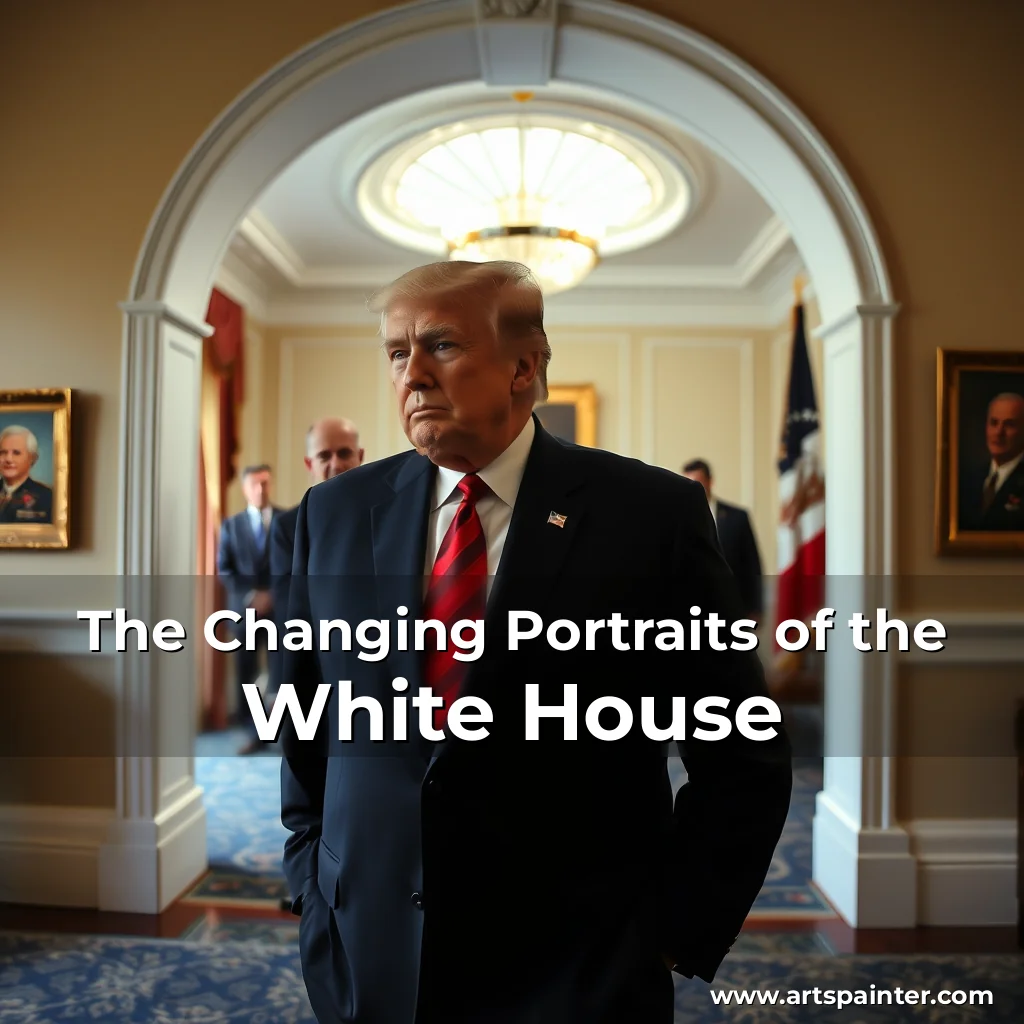
The White House has undergone several changes in recent years, and one of the most significant ones is the replacement of the portrait of former President Obama with a new painting of former President Trump. The portrait, which showcases Trump raising his fist after being shot during a rally, has been hanging in the Grand Foyer of the White House for a while now, and has been the subject of much debate and controversy. The new portrait, which depicts Trump in a more triumphant mood, has been placed in the same location as the Obama portrait, which was moved to a nearby staircase. This move has been seen as a significant shift in the way the White House presents its history and its leaders. The painting, which was a recreation of an iconic photograph, was donated to the White House by Andrew Pollock through the Blue Gallery located in Delray Beach, Florida. The artist, Marc Lipp, is a modern pop art painter who translates his love for art through his paintings and sculptures.
Table of Contents
The Art of the Portraits
The portraits in the White House are not just mere decorations; they are an important part of the country’s history and identity. Each portrait is carefully selected and chosen by the White House staff, and is meant to represent the values and ideals of the administration that commissioned it. The White House has a long history of commissioning portraits, dating back to the 18th century. The first presidential portrait was painted in 1800, and since then, there have been many more. The portraits have been commissioned by presidents from both parties, and have been created by some of the most renowned artists in the country.
The Significance of the New Portrait
The new portrait of Trump is significant not only because of its subject, but also because of its placement in the White House. The fact that it is hung in the Grand Foyer, where the Obama portrait used to be, is a statement about the current administration’s priorities and values. The placement of the new portrait is also a reflection of the changing times and the evolving nature of the presidency. The fact that Trump’s portrait is being displayed in a location previously reserved for Obama’s portrait is a sign of the administration’s commitment to its own history and legacy.
The Reaction to the New Portrait
The new portrait has not been without controversy. Some people have criticized the decision to replace the Obama portrait with Trump’s, citing concerns about the administration’s values and priorities. Others have defended the decision, arguing that the new portrait is a reflection of the current administration’s commitment to its own history and legacy. However, the controversy surrounding the new portrait has sparked a wider debate about the role of the White House in representing the country’s history and its leaders.
The Portraits of the Past and Present
The portraits in the White House are not just about the past; they are also about the present. Each portrait represents the values and ideals of the administration that commissioned it, and is meant to inspire and reflect the country’s current mood and atmosphere. The portraits of the past, such as those of Obama and Bush, continue to hold significant cultural and historical value. They serve as a reminder of the country’s history and its leaders, and are an important part of the country’s cultural heritage. The portraits of the present, such as those of Trump and Biden, are also an important part of the country’s cultural heritage. They reflect the country’s current mood and atmosphere, and provide a glimpse into the country’s future.
The Changing Artwork
The White House has undergone several changes in recent years, including the replacement of the Obama portrait with a new painting of Trump. The change was made to update the artwork in the Grand Foyer, which has been a focal point of the White House for many years. The new portrait was donated to the White House by Andrew Pollock through the Blue Gallery located in Delray Beach, Florida.
| Artist | Medium | Year |
|---|---|---|
| Marc Lipp | Painting | 2025 |
| Andrew Pollock | Donation | 2024 |
The White House has also posted a video of the new frame, accompanied by the caption “Some new artwork at the White House.” The video showcases the new portrait, which has been placed in the Grand Foyer.
The Reaction to the Video
The reaction to the video has been mixed, with some people praising the White House for updating the artwork in the Grand Foyer. Others have criticized the decision to display the new portrait, citing concerns about the administration’s values and priorities. GOP representative Marjorie Taylor Greene (R-Ga.) reacted to the video, stating “Much better.”
The Future of the Portraits
The future of the portraits in the White House is uncertain, and it is unclear what changes may be made in the future. However, one thing is certain: the portraits will continue to play an important role in representing the country’s history and its leaders. The portraits will also continue to be a source of debate and controversy, as they are meant to represent the values and ideals of the administration that commissioned them. However, the portraits will also continue to be a symbol of the country’s rich cultural heritage and its enduring legacy.

news is a contributor at Arts Painter. We are committed to providing well-researched, accurate, and valuable content to our readers.