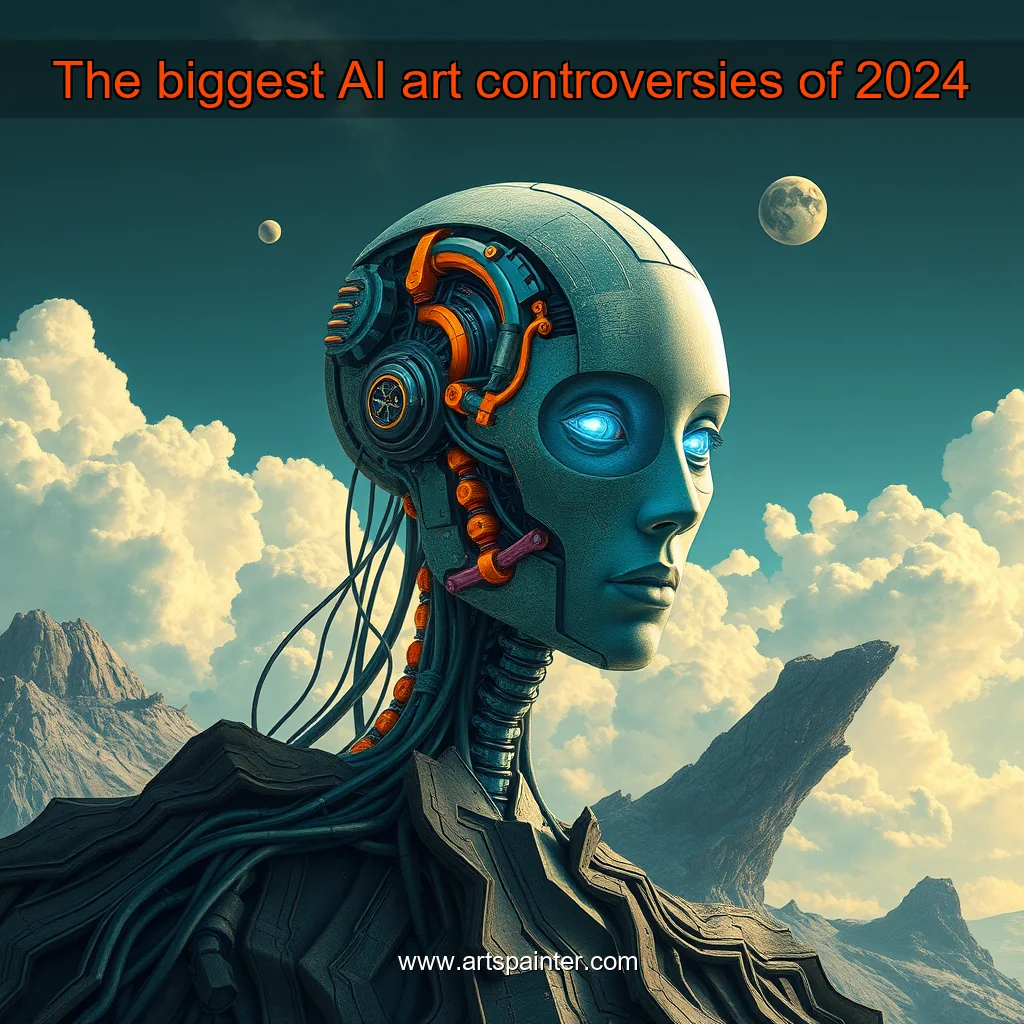
This is a sign that AI art has reached a new level of sophistication.
Table of Contents
The Rise of AI Art
AI art has been a topic of discussion for several years, but it’s only recently gained widespread acceptance. The technology has improved dramatically, allowing for the creation of highly realistic and detailed images. This has led to a surge in demand for AI-generated art, with many artists and collectors clamoring to get their hands on these unique pieces. Key features of AI art include: + Highly realistic and detailed images + Ability to generate new and original content + Potential for infinite scalability + Can be created quickly and efficiently
The Dark Side of AI Art
Despite its popularity, AI art has also been plagued by controversy. Many artists have expressed concerns about the lack of originality and the ease with which AI-generated art can be copied and sold. This has led to a number of high-profile lawsuits and public backlash against the use of AI art.
The Rise of AI Image Generators
In recent years, AI image generators have become increasingly popular, with many companies incorporating them into their marketing strategies. These tools use artificial intelligence to create realistic images from text prompts, allowing businesses to produce high-quality visuals quickly and efficiently. However, this trend has also led to a growing backlash against AI image generators, with many people expressing concerns about their impact on society.
Concerns About AI Image Generators
The Backlash Against AI Image Generators
In 2024, several brands faced backlash online for using AI image generators in their marketing campaigns. These brands included:
The backlash was fueled by concerns about the lack of transparency and the potential for misinformation and disinformation.
The AI Image Generator Conundrum: Who Owns the Rights to These Images?
The AI Image Generator Conundrum
The rise of AI image generators has brought about a new era of creativity and innovation in the advertising world. However, this technology also raises several concerns regarding ownership and copyright. As AI-generated images become increasingly sophisticated, the question of who owns the rights to these images becomes more complex. Key issues: + Lack of clear ownership and copyright laws + Difficulty in distinguishing between human and AI-generated content + Potential for AI-generated images to be used without permission or compensation
The Case of Coca-Cola’s AI Christmas Ad
In 2022, Coca-Cola released an AI-generated Christmas ad that generated a lot of buzz on social media. The ad featured a futuristic, animated version of the Coca-Cola logo, which was created using an AI image generator. While the ad was well-received by some, it also sparked controversy among others. Criticisms: + Lack of transparency about the use of AI-generated content + Potential for AI-generated images to be used without permission or compensation + Concerns about the impact on human artists and creatives
The Consequences of AI-Generated Images
The use of AI-generated images in advertising can have significant consequences for brands and individuals alike. If a brand uses an AI-generated image without permission or compensation, it can lead to a loss of brand equity and damage to the brand’s reputation. Consequences: + Loss of brand equity + Damage to brand reputation + Potential for lawsuits and financial losses
The Future of AI-Generated Images
As AI technology continues to evolve, it’s likely that we’ll see more and more use of AI-generated images in advertising. However, it’s essential that we establish clear guidelines and regulations to ensure that these images are used responsibly and with respect for human creators.
The judges were impressed by the painting’s realism and the artist’s skill, but they didn’t know that the AI-generated image was created using a tool that was not yet widely known at the fair.
The Unconventional Art of Midjourney
Midjourney is an AI-powered tool that allows users to generate images from text prompts. The platform uses a combination of natural language processing and machine learning algorithms to create unique and often surreal images.
The Birth of Botto
Botto’s creation is a result of a collaboration between Mario Klingemann, a renowned German artist, and ElevenYellow, a software collective. Klingemann, known for his work in the field of artificial intelligence, teamed up with ElevenYellow to create an AI system that could generate images. The goal was to push the boundaries of what is possible with AI in the art world.
The AI Art Process
The process of generating images with Botto involves a combination of machine learning algorithms and human input. The system uses a neural network to analyze and understand the input data, which can be a text prompt, a reference image, or even a combination of both. The neural network then generates a new image based on the input data, which is refined and edited by the human team.
Tech giants face copyright infringement lawsuits over AI-generated art and design similarities.
AI-generated art has been a topic of debate for years, but it’s gaining traction in the tech industry.
The Rise of AI-Generated Art
In recent years, AI-generated art has become increasingly popular, with many artists and designers exploring its potential. However, this trend has also sparked controversy and debate, particularly among gamers and the tech industry.
The Inspiration Behind Tesla’s Robotaxi Reveal
Tesla’s latest innovation, the Robotaxi, has been making headlines, and its reveal has been compared to the iconic movie Blade Runner. The similarity in design has raised eyebrows, with some accusing Tesla of ripping off the classic sci-fi film. The Robotaxi’s sleek and futuristic design bears a striking resemblance to the replicants from Blade Runner. The car’s angular lines, metallic finish, and glowing blue accents evoke a sense of nostalgia for the 1982 film. Tesla’s CEO, Elon Musk, has been accused of copying the design without proper credit or compensation.
The Copyright Infringement Lawsuit
As a result of the design similarities, Tesla is now being sued for copyright infringement. The lawsuit claims that Tesla’s Robotaxi design is a direct copy of the Blade Runner replicants. The lawsuit alleges that Tesla’s design is a clear infringement of the Blade Runner copyright. The plaintiff is seeking damages and compensation for the alleged infringement.
He will oversee the development of AI-powered games for the streaming service.
Netflix’s AI Game Development Studio: A New Era for Interactive Entertainment
The Rise of AI in Gaming
The gaming industry has witnessed a significant shift in recent years, with the rise of artificial intelligence (AI) playing a pivotal role in shaping the future of interactive entertainment. Netflix, a pioneer in the streaming service space, has taken a bold step into the gaming arena by establishing an AI game development studio.
This is because AI can be used to generate a wide range of artistic styles, from realistic to abstract, and can even create new styles that are not possible for humans to create.
The Rise of AI Art
The use of AI in art has been growing rapidly over the past few years. This is due to the advancements in machine learning algorithms and the increasing availability of computing power. As a result, AI art has become a popular medium for artists, designers, and musicians to express themselves.
Key Features of AI Art
The Benefits of AI Art
The use of AI in art has several benefits, including:
The Future of AI Art
The future of AI art is exciting and rapidly evolving. As machine learning algorithms continue to improve, we can expect to see even more innovative and creative uses of AI in art. Advancements in machine learning: Future advancements in machine learning algorithms will enable AI to create even more complex and realistic art.
The museum will be a physical space where people can go to see and experience AI-generated art. This will be a big test of how much the public is interested in AI art.
The Concept of AI Art
AI art has been gaining popularity in recent years, with many artists and designers exploring the possibilities of artificial intelligence in their work. The concept of AI art is based on the idea that machines can create art that is indistinguishable from human-created art.

news is a contributor at Arts Painter. We are committed to providing well-researched, accurate, and valuable content to our readers.