Table of Contents
The Significance of Gond Adivasi Chitrakala
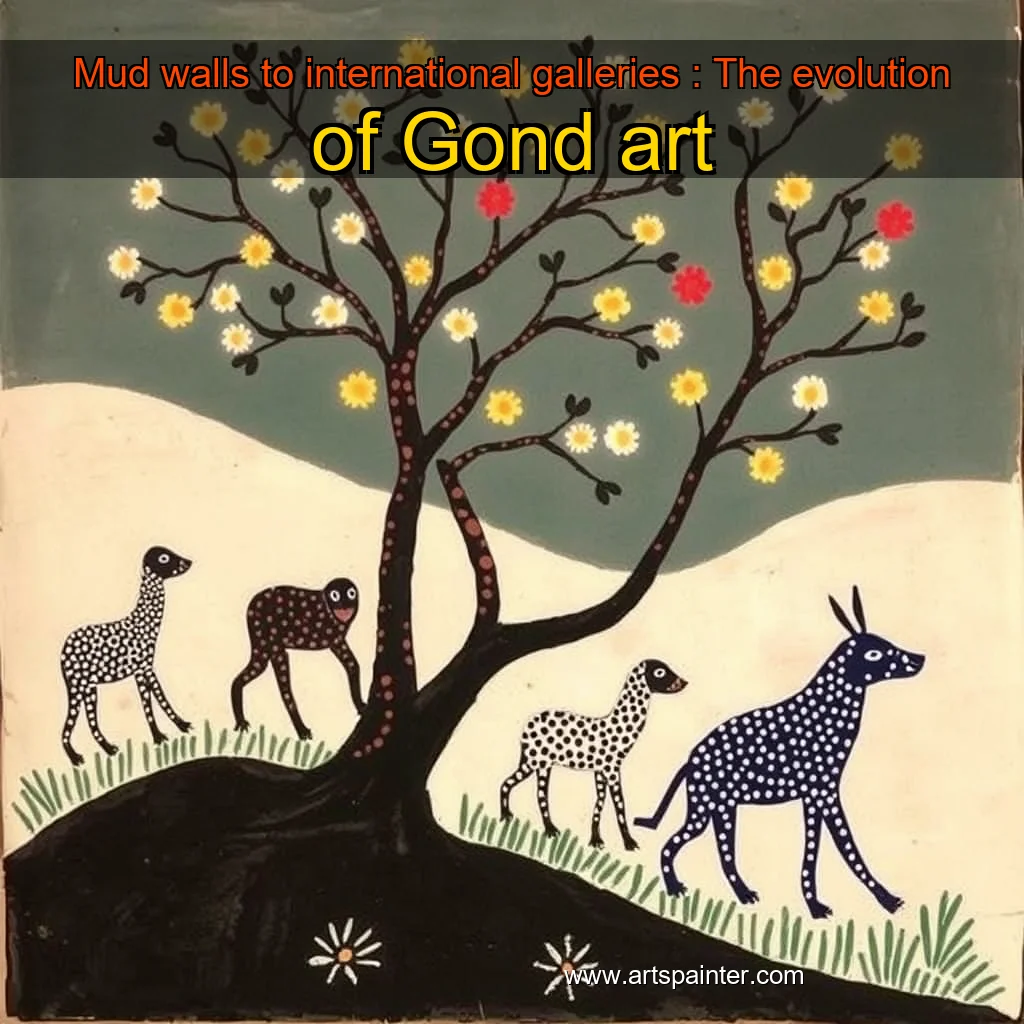
Gond Adivasi Chitrakala is a unique and vibrant art form that has been an integral part of the Gond tribe’s culture for centuries. The term “Adivasi” refers to the indigenous people of India, and “Chitrakala” means “art” or “picture-making.” This art form is characterized by its bold and colorful designs, often depicting scenes from nature, mythology, and everyday life.
Origins and History
The origins of Gond Adivasi Chitrakala date back to the 16th century, when the Gond tribe was first introduced to the concept of art. Initially, their art was primarily used for ceremonial purposes, such as decorating the walls of their huts and creating ritualistic paintings. Over time, the art form evolved and became more sophisticated, with the Gond people developing their own unique style and techniques.
Characteristics and Techniques
Gond Adivasi Chitrakala is known for its distinctive characteristics, including:
The Gond people are known for their unique and colorful paintings, which are created using natural materials such as leaves, flowers, and other organic materials.
The Origins of Gond Art
The origins of Gond art can be traced back to the 2nd century BC, during the reign of the Satavahana dynasty. This dynasty ruled over the region of Vidarbha, which is now part of the Indian state of Maharashtra. The Gond people were a tribal community that lived in the forests and hills of Vidarbha, and they developed a distinct art form that was influenced by their surroundings and culture.
The Significance of Gond Art
Gond art is significant not only for its aesthetic value but also for its cultural and spiritual significance.
These paintings are created by the Pradhan Gond community, a group of skilled artists who have been painting for generations. The paintings are a testament to the community’s rich cultural heritage and their unique artistic style.
The Origins of Gond Paintings
The Pradhan Gond community has a long history of creating paintings, dating back to the 16th century. The community’s artistic tradition was influenced by the local culture and the surrounding environment. The paintings were initially created for ceremonial purposes, such as weddings and festivals, but over time, they evolved to depict everyday life and stories from the community’s folklore. The Pradhan Gond community’s artistic style is characterized by: + Vibrant colors and bold brushstrokes + Intricate details and patterns + Use of natural materials, such as plant dyes and earth oxides + Depiction of mythological and supernatural beings
The Significance of Gond Paintings
Gond paintings are not only a reflection of the community’s cultural heritage but also hold significant cultural and social value. The paintings are often used to:
The Artistic Process
The creation of Gond paintings involves a unique and labor-intensive process.
Instead, they are often represented as abstract, amorphous, and fluid figures, which are more akin to natural elements such as water, earth, and fire.
The Gond Tribe and Their Unique Artistic Expression
The Gond tribe, an indigenous people living primarily in the Indian states of Madhya Pradesh and Chhattisgarh, has a rich cultural heritage that is deeply intertwined with their natural surroundings. Their artistic expression, particularly in the form of paintings, is a unique reflection of their connection with nature.
The Significance of Natural Elements in Gond Art
In Gond paintings, natural elements such as water, earth, and fire are often depicted in abstract and amorphous forms, which are more akin to natural elements than traditional depictions of deities. This approach is rooted in the tribe’s spiritual beliefs and their deep connection with the natural world. The Gond people believe that the natural world is imbued with spiritual energy, and that the elements can be harnessed and revered.
The dots are made of a mixture of rice flour and water, which is then dried to create a hard, brittle surface. The Pradhan community has been painting for centuries, with the first recorded instance dating back to the 16th century.
The Origins of Gond Painting
Gond painting has a rich history that spans centuries. The Pradhan community, which is native to the Indian state of Madhya Pradesh, has been creating these intricate paintings for generations. The art form is deeply rooted in the community’s culture and is often used to tell stories and convey messages. The Pradhan community has been painting for over 400 years, with the first recorded instance dating back to the 16th century. The paintings are created using a mixture of rice flour and water, which is then dried to create a hard, brittle surface. The dots used in the paintings are made by hand, using a small tool to create the intricate designs.
The Art of Gond Painting
Gond painting is a unique and intricate art form that requires great skill and patience. The paintings are created by layering dots in upward, downward, and sideways directions, which creates a textured and dimensional effect.
The Gond artists are also using modern materials such as glass, metal, and wood to create their art. The use of modern materials is a departure from the traditional methods of Gond artists, who used to use natural materials such as mud, wood, and stone.
The Evolution of Gond Art
The traditional Gond art form has undergone significant changes in recent years, with artists incorporating modern materials and techniques into their work.
Contemporary Gond artists have also incorporated elements of modern technology, such as computers and mobile phones, into their work.
The Origins of Gond Art
Gond art has a rich history that spans over 500 years, with its origins dating back to the 16th century in India. The art form is believed to have originated in the city of Gondwana, which is now part of modern-day India. The Gond people, an indigenous tribe, created intricate designs and patterns on the walls of their temples and palaces using a mixture of natural pigments and gum arabic.
The Evolution of Gond Art
Over time, Gond art evolved to incorporate new techniques and materials. In the 19th century, European artists began to visit India and were inspired by the intricate designs and patterns of Gond art. This exposure led to the development of new styles and techniques, which were later adopted by Indian artists.
The GI tag is a certification that guarantees the authenticity and quality of the Gond painting.
The Significance of GI Tag for Gond Paintings
The GI tag is a significant milestone for the Gond paintings, marking a new era of recognition and appreciation for this ancient art form. The certification ensures that the paintings are created using traditional methods and materials, and that they meet certain standards of quality and authenticity. The GI tag is a government-issued certification that guarantees the authenticity and quality of the Gond painting. It is a recognition of the Gond painters’ skill and craftsmanship, as well as their adherence to traditional methods and materials. The GI tag is a mark of pride for the Gond community, as it acknowledges their rich cultural heritage and artistic traditions.
The History of Gond Paintings
Gond paintings have a rich and storied history that dates back centuries. The art form originated in the Gond region of India, where the Gond people have lived for generations. The paintings are known for their vibrant colors, intricate designs, and unique storytelling style. The Gond paintings are known for their use of natural materials, such as rice paste, gum, and plant-based dyes. The paintings are often created on a wooden panel or a stone surface, using a combination of brushes and fingers. The Gond painters use a range of techniques, including layering, blending, and texturing, to create their unique and intricate designs.
The Economic Impact of GI Tag
The GI tag has significant economic implications for the Gond painters and their community. The certification can increase the value of their paintings, making them more attractive to collectors and buyers.
The Art of Tribal Art
Tribal art is a diverse and vibrant collection of artworks created by indigenous cultures around the world. These artworks not only reflect the unique cultural heritage of their creators but also provide a window into the premodern psyche.

news is a contributor at Arts Painter. We are committed to providing well-researched, accurate, and valuable content to our readers.