Table of Contents
The Evolution of Modern Art in Contemporary Creative Practices
In an era defined by rapid technological advancements and shifting cultural landscapes, modern art has emerged as a dynamic force that continues to redefine creativity across disciplines. Artists today are not merely creators but also innovators who navigate complex intersections between tradition and experimentation.
This evolution is particularly significant for painters and visual artists seeking fresh perspectives while maintaining their artistic integrity. The contemporary art scene offers numerous opportunities for exploration through various mediums, techniques, and conceptual frameworks.
Redefining Boundaries Through Innovation
Modern art challenges conventional definitions by embracing new materials, digital technologies, and unconventional methods. This approach allows artists to break free from historical constraints and explore uncharted territories within their practice.
Pioneering movements such as abstract expressionism and pop art have laid foundational principles that continue influencing current practices. These styles emphasize emotion, spontaneity, and social commentary over technical precision alone.
Artists now experiment with mixed media approaches, combining traditional painting techniques with elements like found objects, digital projections, or interactive installations. Such hybrid forms enable deeper engagement with viewers and foster multidimensional narratives.
- Digital tools provide unprecedented access to global audiences, allowing artists to share work instantly via online platforms and virtual galleries.
- Sustainable practices are gaining prominence, with many creatives incorporating eco-friendly materials into their processes without compromising aesthetic quality.
The Role of Technology in Shaping New Aesthetics
Advancements in technology have fundamentally transformed how art is created, experienced, and disseminated. Digital software enables intricate designs previously unimaginable using only physical mediums.
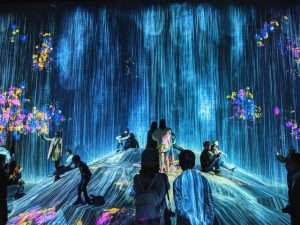
Interactive installations utilizing augmented reality (AR) offer immersive experiences where audiences become active participants rather than passive observers. These innovations open doors for collaborative projects involving both artists and technologists.
Emerging Trends in Tech-Integrated Art
Data visualization has become increasingly popular among contemporary artists aiming to translate complex information into visually compelling formats. By leveraging algorithms and coding skills, they create artworks that reflect real-time data streams.
Fabrication techniques such as 3D printing allow precise control over form and structure, enabling artists to produce highly detailed sculptures or architectural models effortlessly. This precision facilitates greater freedom in exploring geometric patterns and spatial relationships.
Cross-Disciplinary Collaborations Reimagined
Modern art thrives on interdisciplinary collaborations that merge fields ranging from science to performance arts. These partnerships yield innovative works that challenge existing paradigms and expand creative possibilities.
Bio-art represents one such fusion, where living organisms serve as medium or subject matter itself. Scientists collaborate closely with artists to cultivate bioluminescent plants or engineer synthetic lifeforms for exhibition purposes.
Performance-based installations often incorporate soundscapes, motion sensors, and AI-driven visuals, creating environments responsive to human interaction. These multisensory experiences blur boundaries between observer and artwork alike.
Evolving Themes Reflected in Contemporary Works
Themes explored by modern artists frequently address pressing societal issues including identity politics, environmental concerns, and digital privacy. Their work serves as both critique and commentary reflecting our collective consciousness.
Identity remains central theme amidst ongoing discussions around representation and inclusivity. Many contemporary pieces examine intersectionality—how race, gender, class intersect within individual experiences—to provoke thought and dialogue.
Environmental Awareness Through Visual Storytelling
Climate change has inspired countless artistic responses highlighting ecological crises through powerful imagery. Painters use vivid color palettes to depict melting ice caps or endangered species threatened by habitat loss.
Some artists employ recycled materials gathered from landfills or ocean cleanups to construct sculptures commenting on waste management failures globally. These tactile creations invite reflection upon consumption habits shaping planet’s future trajectory.
Maintaining Authenticity Amidst Rapid Change
Amidst continuous innovation, preserving personal voice becomes crucial task facing every artist regardless of medium chosen. Finding balance between adopting emerging trends versus staying true self presents constant challenge worth navigating carefully.
Developing strong conceptual foundations helps maintain coherence even when experimenting boldly outside comfort zones. Clear vision ensures each piece contributes meaningfully towards larger body oeuvre rather than appearing disjointed collection random ideas.
Community Engagement & Educational Outreach Initiatives
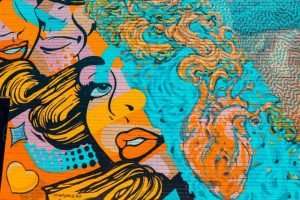
Engaging local communities plays vital role enhancing visibility reach broader audiences beyond gallery walls. Workshops, public murals, or residency programs help bridge gap between professional practitioners amateurs alike.
Online tutorials shared freely through social media channels democratize learning process making high-quality instruction accessible worldwide irrespective geographical location socioeconomic status.
Navigating Challenges Faced by Today’s Artists
Despite exciting developments field, modern artists encounter obstacles related funding sustainability long-term career growth. Balancing commercial demands artistic ideals requires strategic planning foresight.
Many struggle securing stable income solely relying sales commissions exhibitions alone. Alternative revenue streams include teaching positions freelance design contracts or developing merchandise lines featuring original artwork.
Towards Future Horizons In Modern Painting
As we look ahead horizon filled potential transformations awaits those daring enough embrace uncertainty wholeheartedly. Continued integration cross-disciplinary knowledge will likely shape next generation masterpieces born intersection diverse influences.
Ultimately success lies not just mastering technique perfecting style but cultivating curiosity openness toward evolving landscape surrounding us daily. It’s this spirit perpetual reinvention defines essence modern artistry today.
Conclusion
Modern art stands at fascinating crossroads blending past innovations present breakthroughs while forging pathways forward. Its adaptability resilience ensure relevance amid ever-changing world conditions.
For aspiring painters professionals alike embracing fluid nature genre promises rich rewards journey discovery transformational power held within brushstroke canvas.

news is a contributor at Arts Painter. We are committed to providing well-researched, accurate, and valuable content to our readers.