Table of Contents
How to Choose Modern Art: Expert Guide
In an era where creativity knows no bounds, modern art has evolved into a dynamic field that challenges traditional notions of aesthetics and expression. Artists today are experimenting with diverse mediums—from digital installations to performance pieces—each contributing to a rich tapestry of visual storytelling.
The process of selecting modern art is not merely about appreciating beauty; it involves understanding context, intent, and innovation within contemporary practices. As you navigate through galleries and online platforms, knowing what to look for can transform your experience from passive observation to active engagement.
Understanding Contemporary Art Trends
Contemporary art trends reflect current societal issues, technological advancements, and cultural shifts. These movements often serve as mirrors reflecting our collective consciousness while pushing boundaries in artistic representation.
Artists frequently draw inspiration from global events such as climate change, political unrest, or social media’s influence on identity formation. This connection between personal expression and public discourse enriches the depth of their work.
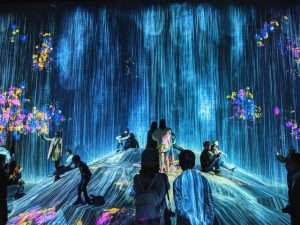
Digital technologies have significantly influenced how we perceive and interact with art today. Virtual reality experiences allow viewers to immerse themselves fully in artworks without physical limitations, expanding accessibility beyond conventional gallery spaces.
New materials and techniques continue to emerge at rapid rates, challenging established norms regarding authenticity and craftsmanship. From bio-art using living organisms to AI-generated imagery, these innovations redefine what constitutes valid artistic practice.
- Trend Analysis: Regularly reviewing exhibitions and artist statements helps identify emerging styles before they become mainstream.
- Cultural Context: Understanding historical influences provides deeper insight into why certain themes recur across different periods.
Evaluating Artistic Intentions
Before purchasing any piece, consider its underlying message or purpose behind creation. Many contemporary works aim to provoke thought rather than simply please visually.
Engaging directly with artists via interviews or Q&A sessions offers invaluable perspectives on their motivations and conceptual frameworks. Such interactions demystify complex ideas embedded within seemingly abstract compositions.
Some artists use symbolism extensively to convey layered meanings that might otherwise remain hidden beneath surface-level impressions. Recognizing common symbols enhances comprehension without overinterpreting intentions.
Not all artwork needs explicit meaning; sometimes silence speaks volumes louder than words ever could. Appreciating ambiguity allows room for individual interpretation based on personal experiences.
Assessing Quality & Authenticity
Genuine modern masterpieces demand technical skill alongside conceptual rigor. Assessing quality requires looking beyond superficial appeal towards mastery demonstrated through execution technique itself.
AUTHENTICITY IN ART IS CRUCIAL NOT JUST FOR VALUE BUT ALSO FOR RESPECTING THE CREATIVE PROCESS INVOLVED BEHIND EACH PIECE. VERIFICATION METHODS INCLUDE PROVENANCE CHECKS AND AUTHENTICATION BY RECOGNIZED EXPERTS.
Quality varies greatly among artists depending upon training background, access resources available during production phase etcetera. Researching biographical information aids better judgment when evaluating potential acquisitions.
Sometimes high-profile names guarantee investment value but may lack originality compared lesser-known talents who offer fresh viewpoints yet haven’t gained widespread recognition yet.
Considering Mediums And Techniques Used In Creation
Medium choice profoundly affects viewer perception since each material carries distinct characteristics influencing final outcome dramatically.
Traditional canvases versus experimental substrates like metal sheets or even natural elements present divergent tactile qualities affecting both display options and conservation requirements respectively.
Techniques employed also shape appearance drastically ranging from oil painting’s textured surfaces right down mixed-media collages featuring multiple layers interacting together dynamically.
Selecting appropriate medium depends heavily upon intended usage whether decorative item meant hanging on wall OR functional object serving dual purposes simultaneously?
Environmental impact considerations increasingly factor into decisions made nowadays especially concerning sustainable sourcing practices promoting eco-friendly alternatives whenever feasible possible.
Exploring Personal Connection With Pieces Encountered
Your emotional response plays pivotal role determining which artworks resonate most deeply with inner self despite external pressures trying dictate preferences otherwise.
Finding connections between existing life experiences AND themes depicted encourages meaningful dialogues happening naturally instead forced interpretations imposed externally.
Emotional resonance doesn’t always equate direct correlation; occasionally indirect links suffice sufficient justification enough compelling reason ownership.
Allow yourself space explore various genres continuously until discover niche areas align perfectly with personal values beliefs aspirations shaping holistic approach toward collection building strategy overall.
Seeking Professional Guidance When Needed
While developing independent eye remains essential goal pursuit ultimately relying solely upon personal expertise might limit exposure opportunities otherwise inaccessible without guidance provided specialists.
Gallery curators possess extensive knowledge navigating evolving landscape ensuring selections reflect current standards expectations prevailing within industry circles actively.
Art consultants provide personalized advice tailored specifically addressing client objectives interests thereby maximizing satisfaction derived from choices made throughout acquisition journey.
Participating workshops seminars led experts exposes participants hands-on learning experiences fostering growth enhancing capabilities required effectively discern genuine talent amidst multitude offerings presented daily nowdays.
Staying Updated On New Developments Within Field
Regular updates maintain relevance staying informed latest breakthroughs occurring regularly across disciplines constituting broader spectrum encompassed under umbrella term “Modern Art” itself.
Following influential figures through social networks enables real-time interaction observing progression tracking evolution unfolding moment-by-moment basis facilitating timely reactions accordingly.
Attending symposiums conferences brings together leading minds sharing discoveries sparking conversations generating new directions future research endeavors possibly impacting long-term trajectories professional development paths individuals embarked upon initially.
Browsing specialized publications magazines journals dedicated exclusively covering aspects related contemporary creations ensures comprehensive coverage no stone left unturned exploring multifaceted nature subject matter thoroughly exhaustively.
Conclusion
Choosing modern art involves careful consideration involving several factors including trend awareness, intention clarity, quality assurance, medium suitability, personal affinity, expert consultation, and continuous education.
By embracing this multi-faceted approach, collectors enthusiasts alike empower themselves making well-informed decisions reflective true appreciation cultivated through deliberate effort invested acquiring truly impactful additions worthy place within personal environments.

news is a contributor at Arts Painter. We are committed to providing well-researched, accurate, and valuable content to our readers.