Table of Contents
The Art Market in 2023: A Year of Challenges
The art market in 2023 faced several challenges, including a decline in global art sales. According to the Art Basel & UBS Art Market Report 2024, global art sales slid 4% year-on-year in 2023. This decline was attributed to various factors, including economic uncertainty, geopolitical tensions, and the ongoing COVID-19 pandemic.
Economic Uncertainty and Geopolitical Tensions
Economic uncertainty and geopolitical tensions played a significant role in the decline of global art sales in 2023. The ongoing COVID-19 pandemic had a lasting impact on the art market, with many countries imposing restrictions on travel and gatherings. This led to a decrease in demand for art, particularly among international buyers. The pandemic also led to a shift in consumer behavior, with many people opting for online shopping and digital experiences. The decline in global art sales was further exacerbated by economic uncertainty, with many countries experiencing high inflation rates and economic instability.*
Auction Houses and Younger Buyers
Auction houses such as Phillips have worked to attract younger buyers in an effort to boost sales. This includes partnering with social media influencers and hosting events that appeal to a younger demographic. Phillips has partnered with social media influencers to promote their auctions and exhibitions. The company has also hosted events such as the Phillips x Instagram Live auction, which allows buyers to participate in real-time.*
Frieze London and Exhibiting Younger Artists
Frieze London has prioritized exhibiting work by younger artists in an effort to revitalize the art market. This includes showcasing emerging artists and providing opportunities for them to gain exposure. Frieze London has partnered with organizations such as the National Gallery of Art to showcase emerging artists.
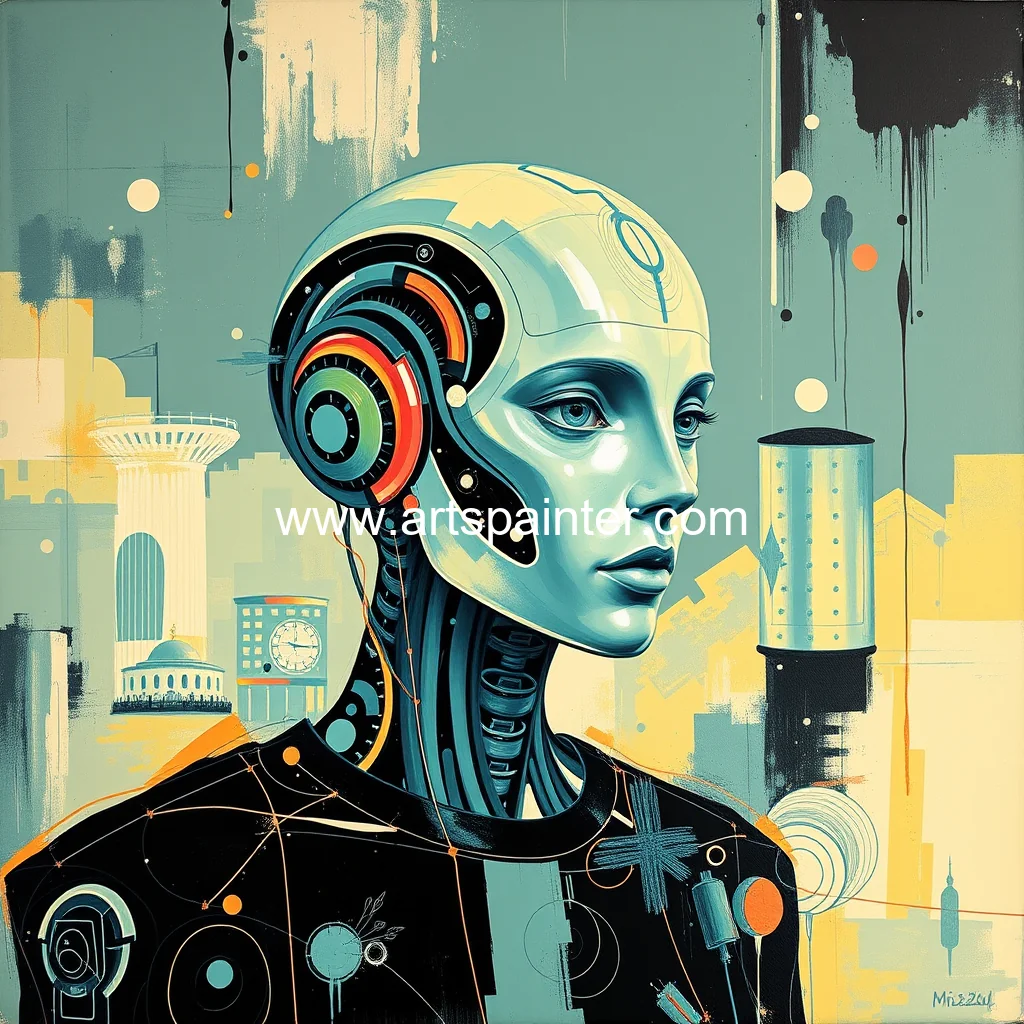
AI-generated art has been gaining traction, with some pieces selling for thousands of dollars at auction houses.
The Rise of AI-Generated Art
The art world has been abuzz with the emergence of AI-generated art, with many questioning the role of human creativity in the process. While some see AI as a tool to augment human creativity, others believe it threatens the very essence of art. The debate surrounding AI-generated art has sparked a new wave of interest in the medium, with many galleries and collectors taking notice.
The Business of AI-Generated Art
The Impact on Younger Collectors and Artists
The shift in focus toward younger collectors and artists is a significant development in the art world. Younger collectors are more likely to be familiar with AI-generated art and are more open to exploring new and innovative mediums. Younger artists, on the other hand, are more likely to be influenced by AI-generated art and are more likely to incorporate AI into their own work.
The Benefits of Collaboration
The Origins of DOUG
DOUG was created by Chung as part of their research at MIT Media Lab. The machine is designed to assist artists in the creative process, allowing them to focus on the conceptual and creative aspects of their work. DOUG is equipped with a range of tools and features that enable it to interact with artists in various ways, including:
The sale was notable for being the first time a living artist’s work was sold at the auction house for over $30,000.
The Rise of Younger Collectors
In recent years, auction houses have witnessed a significant shift in the art market. Younger collectors, often with limited budgets, are increasingly purchasing the work of living artists. This trend is particularly evident in the contemporary art market, where prices have been rising steadily. Key statistics: + 75% of contemporary art sales are now made by collectors under the age of 40. + The average age of contemporary art buyers has decreased by 10 years over the past decade. + Online platforms have played a significant role in facilitating the sale of contemporary art to younger collectors.
The Impact on Living Artists
The rise of younger collectors has had a profound impact on living artists. With more buyers entering the market, artists are now able to sell their work for higher prices. This increased demand has also led to a surge in the number of exhibitions and sales of living artists’ work.
Slower growth expected in the U.S. market, with a focus on finding new buyers.
market is expected to grow, but at a slower pace than the global market.
The State of the Art Market in 2024
The art market is a complex and dynamic system, influenced by various factors such as economic conditions, cultural trends, and technological advancements. The Art Market 2024 report provides valuable insights into the current state of the art market, highlighting key trends and predictions for the future.
Key Trends and Predictions
The “Focus” section is a new addition to Frieze, which aims to provide a platform for emerging artists to showcase their work. The section is curated by a team of experts who carefully select the artists and their work to ensure that it meets the high standards of Frieze.
The Frieze Art Fair: A Platform for Emerging Artists
The Frieze Art Fair is one of the most prestigious art fairs in the world, attracting art lovers and collectors from around the globe. This year, the fair featured a series of drawings and tapestries by Charlotte Edey, which were showcased in wooden frames. Edey’s participation in the fair was a significant milestone for her, as she described it as “a different level of exposure.”
The “Focus” Section: A New Addition to Frieze
The “Focus” section is a new addition to Frieze, which aims to provide a platform for emerging artists to showcase their work.
The Rise of Frieze Viewing Room
In the art world, the traditional gallery model has been facing a significant shift. The rise of digital platforms and social media has led to a new era of art consumption, where online platforms are becoming increasingly popular among younger generations. Frieze Viewing Room, a digital platform launched by Frieze, aims to capitalize on this trend by providing a unique online experience for contemporary art enthusiasts.
The Concept Behind Frieze Viewing Room
Frieze Viewing Room is an online platform that allows users to explore and purchase contemporary art from a variety of galleries and artists. The platform is designed to be user-friendly and accessible, with a focus on providing an immersive and engaging experience for its users.

news is a contributor at Arts Painter. We are committed to providing well-researched, accurate, and valuable content to our readers.