Table of Contents
The Poem’s Exploration of Human Nature
The poem “The Naked and the Nude” by Robert Graves delves into the human condition, exploring the complexities of human nature through the lens of art and beauty. Graves, a renowned poet and classicist, weaves a narrative that delves into the realms of love, desire, and the human experience. The poem’s central theme revolves around the dichotomy between the “naked” and the “nude”. While the naked refers to the state of being unadorned, the nude is a term used to describe a work of art that depicts the human form in a state of undress.
The Concept of Nude Art
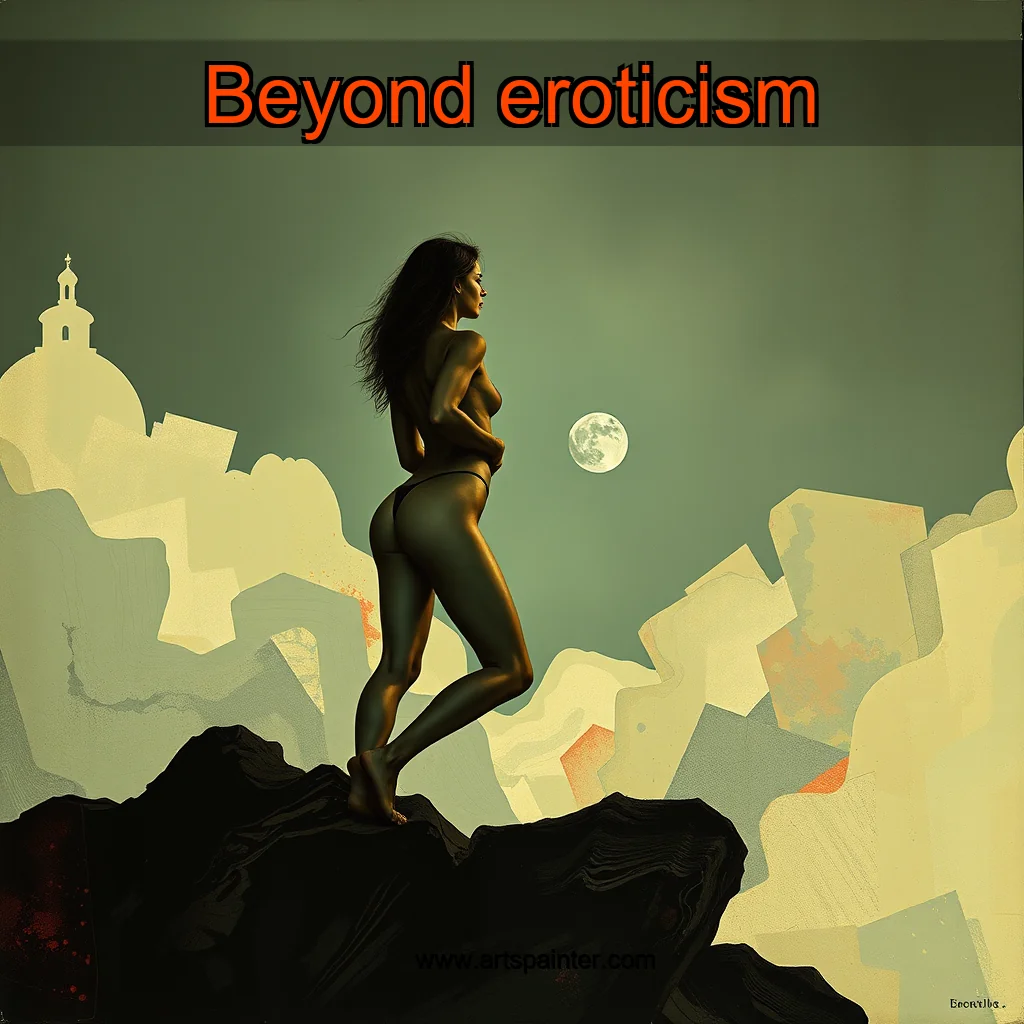
Nude art has been a subject of controversy and debate throughout history. Many people view it as a form of eroticism, while others see it as a means of artistic expression. The concept of nude art is complex and multifaceted, and it can be challenging to define.
The History of Nude Art
The history of nude art dates back to ancient civilizations, where it was often depicted in art and literature as a symbol of beauty and perfection. In ancient Greece, for example, the nude form was considered a representation of the ideal human body. The Greeks believed that the nude form was a symbol of freedom and democracy, and it was often depicted in art and literature as a way to celebrate the human body. The ancient Greeks also believed that the nude form was a way to challenge social norms and conventions. By depicting the human body in a natural state, they were able to subvert traditional notions of modesty and propriety. In ancient Rome, the nude form was also used as a symbol of power and status. Roman art often depicted the nude form in a more sensual and erotic way, which was seen as a way to showcase wealth and privilege.*
The Art of Nude Expression
Nude art is not just about depicting the human body; it’s also about expressing emotions and ideas. Nude art can be used to convey a sense of vulnerability, intimacy, and connection with the viewer. The use of light and shadow can create a sense of drama and tension in nude art. By using chiaroscuro, artists can create a sense of depth and volume, which can add to the emotional impact of the piece. The use of color can also be used to convey emotions and ideas.
I realized that the eye is a universal symbol of emotions and feelings. I started painting the eye as a standalone figure, and it became my signature style.
The Birth of a Signature Style
Dixit’s fascination with the eye began when he was a child. He would often stare at the eyes of people he met, observing their expressions and trying to understand what made them tick. This curiosity eventually led him to create a series of paintings that featured the eye as the central figure. As he grew older, Dixit’s interest in the eye only deepened, and he began to explore its various forms and expressions.
The artist’s intention was to challenge societal norms and stereotypes, particularly those related to body image and beauty standards.
The Artwork: A Reflection of Societal Norms
The artwork, titled “The Four-Handed Woman,” is a thought-provoking representation of the human experience. The artist’s use of unconventional features, such as the four hands and toes, serves as a commentary on the societal expectations placed on individuals.
The pink was not just a color, but a symbol of the power and strength that lies within femininity.
The Artwork: A Reflection of Feminine Power
The artwork, titled “Pink Revolution,” is a thought-provoking piece that challenges traditional notions of femininity. At first glance, the pink hues may seem soft and delicate, but upon closer inspection, the artwork reveals a complex and multifaceted exploration of feminine power.
The Symbolism of Pink
The Artwork’s Message
The artwork’s message is multifaceted and open to interpretation. On one hand, it challenges traditional notions of femininity and encourages viewers to think beyond the limitations of traditional gender roles. On the other hand, it also celebrates the beauty and power of femininity, highlighting the importance of embracing and celebrating women’s strengths and abilities.
The Importance of Representation
Dixit’s unconventional approach to art challenges this notion.
The Unconventional Art of Shilpa Dixit
Shilpa Dixit is a name that resonates with many art enthusiasts, particularly those who appreciate the unconventional and the unorthodox. As a painter, Dixit has always been drawn to the idea of breaking free from the traditional norms of art. His artworks, which often feature bold, vibrant colors and intricate patterns, are a testament to his innovative approach to the medium.
The Mark of Fingers
One of the most distinctive features of Dixit’s artworks is the visible mark of his fingers. In fact, many of his paintings are created using his fingers, rather than traditional painting tools like brushes or palette knives. This approach not only adds a unique texture to his work but also serves as a reminder that art can be created in many different ways. Some of the techniques Dixit uses to create his artworks include: + Finger painting + Finger stamping + Finger drawing + Finger etching These techniques allow Dixit to achieve a level of expressiveness and spontaneity that is difficult to replicate with traditional painting tools.
Challenging Traditional Norms
Dixit’s unconventional approach to art challenges the traditional notion that painting must be done with paintbrushes or palette knives. This idea has been perpetuated for centuries, and many artists have been conditioned to believe that anything less is not “real” art.
His nonconformity is reflected in his use of unconventional materials and techniques in his paintings.
The Art of Unconventional Materials
Dixit’s use of unconventional materials in his paintings is a hallmark of his unique style. He often incorporates elements like fabric, paper, and even found objects into his artwork. This approach not only adds texture and depth to his paintings but also challenges the viewer’s perception of what art can be. Some of his notable works include: + “The Elephant and the Tiger” (2009), which features a tiger’s head made from a vintage typewriter and a elephant’s body made from a piece of fabric. + “The Tree of Life” (2010), which incorporates a collection of antique clocks and a tree branch into its composition. + “The Butterfly Effect” (2012), which uses a combination of paper and fabric to create a delicate, dreamlike atmosphere.
The Power of Nonconformity
Dixit’s nonconformity is not just limited to his use of unconventional materials. He also challenges societal norms and expectations through his artwork. His paintings often feature bold, vibrant colors and unconventional subjects, which can be seen as provocative or even subversive. Some of the ways in which Dixit’s nonconformity is reflected in his artwork include: + Using bold, bright colors to challenge traditional notions of beauty and aesthetics. + Incorporating unconventional subjects, such as animals or natural elements, into his paintings.
The Art of Improvisation
In the midst of a global pandemic, when the world was forced to adapt to a new reality, an artist created something extraordinary. In 2019, during a time when the world was struggling to cope with the COVID-19 pandemic, a talented artist made a remarkable discovery. With no canvas or paper in sight, he found an innovative solution to create art.
The Unconventional Medium
The artist, who wishes to remain anonymous, turned to an unlikely source to create his masterpiece. He used a combination of everyday objects, such as plastic bags, straws, and cardboard tubes, to craft his art.

news is a contributor at Arts Painter. We are committed to providing well-researched, accurate, and valuable content to our readers.