Art Trends for Small Spaces
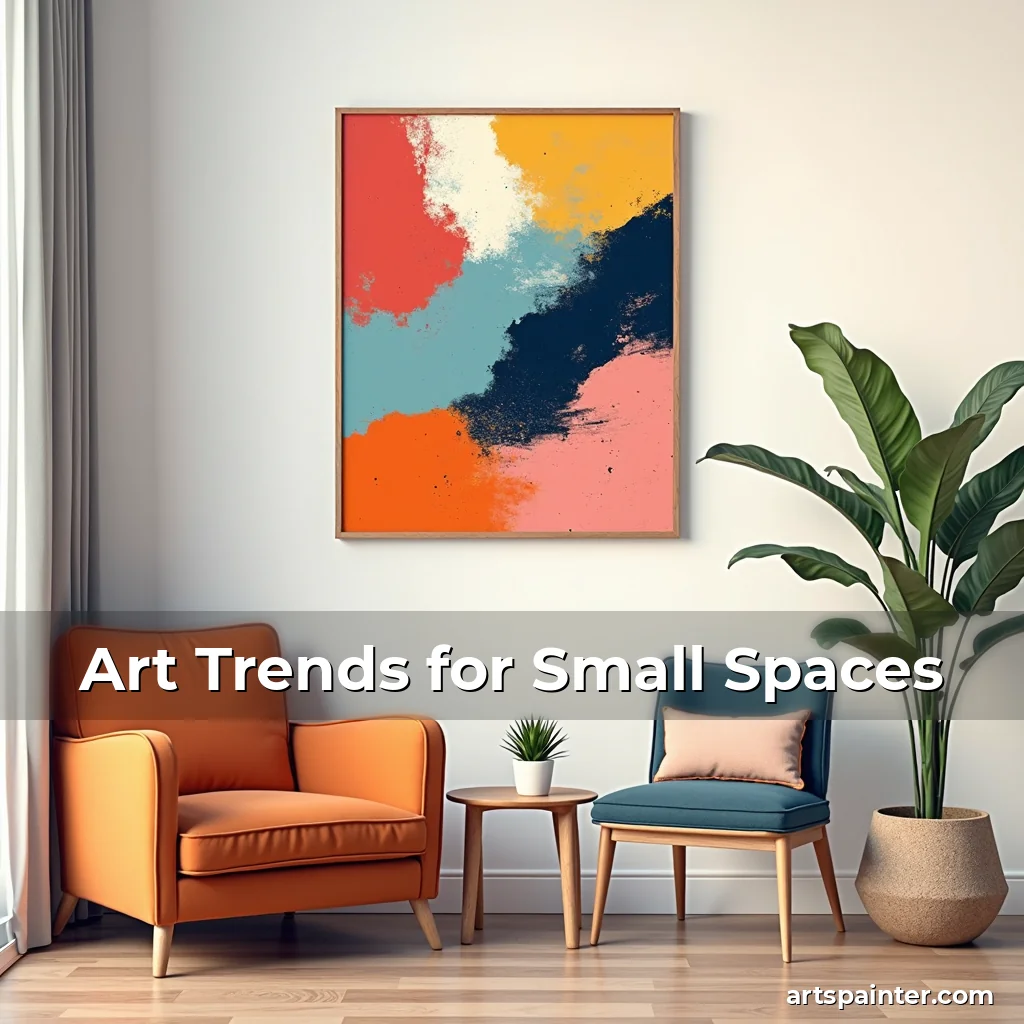
Table of Contents
ToggleThe Resurgence of Analog Techniques in Digital Art
In an age where digital tools dominate the creative landscape, a surprising trend has emerged—artists are turning back to analog techniques, blending traditional methods with modern technology.
This hybrid approach allows creators to infuse their work with tactile authenticity while leveraging the precision and reach of digital platforms.
Reclaiming the Human Touch
One of the most significant aspects of this resurgence is the emphasis on human touch in artistic creation. Artists are using physical mediums such as watercolor, charcoal, and oil paints alongside digital software.
This combination results in artworks that possess both the warmth of handcrafted elements and the versatility of digital enhancements.
- Digital brushes mimicking real textures: Software like Procreate and Adobe Fresco offer realistic simulations of various materials, enabling artists to experiment without physical constraints.
- Scanning handmade sketches: Many artists scan their traditional drawings and refine them digitally, preserving the essence of manual creativity.
Bridging Generations Through Mixed Media
Mixed media approaches have gained popularity among both emerging and established artists looking to connect across generational divides.
Youthful creatives often find inspiration in vintage techniques, while older artists embrace new technologies to expand their creative horizons.
The Role of Social Media in Reviving Interest
Social media platforms like Instagram and Pinterest play a crucial role in this revival by showcasing diverse styles and fostering communities around shared interests.
Artists share tutorials, behind-the-scenes processes, and finished pieces, creating an environment where knowledge flows freely between generations.
For instance, hashtags like #AnalogRevival and #MixedMediaMagic have amassed millions of posts, indicating widespread engagement with these themes.
This online visibility not only inspires but also provides market access for those exploring mixed-media works.
Educational Institutions Embrace Hybrid Teaching Methods
Recognizing the growing demand, educational institutions are adapting curricula to include hybrid teaching methods that combine traditional and digital skills.
Courses now often feature modules on scanning techniques, digital restoration, and AI-assisted design alongside classical drawing and painting lessons.
The Influence of NFTs and Blockchain Technology
NFTs and blockchain technology continue to reshape how art is created, distributed, and monetized.
These innovations provide artists with new avenues for financial independence through direct sales and royalties from secondary transactions.
However, there’s a noticeable shift towards integrating tangible elements into NFT projects to enhance value perception.
Some creators are producing limited edition prints paired with digital assets, offering collectors a dual experience.
Redefining Authenticity in Contemporary Art
The concept of authenticity in contemporary art has evolved significantly with the rise of hybrid practices.
No longer confined solely to physical mediums or purely digital formats, authentic artwork can now be seen as any piece that reflects genuine creative intent regardless of production method.
This broadened definition encourages experimentation and reduces barriers to entry for aspiring artists interested in multiple disciplines.
Environmental Sustainability as a Creative Driver
Awareness of environmental issues has influenced many artists’ choices regarding medium selection and resource consumption.
Those embracing analog techniques often prioritize eco-friendly materials and sustainable practices over mass-produced alternatives.
Paper sourced from recycled wood pulp or biodegradable canvases become common choices within this movement.
Moreover, reducing reliance on energy-intensive digital devices aligns with broader ecological goals pursued by environmentally conscious creators.
Community Building Around Analog-Digital Hybrids
As interest grows in combining analog and digital methodologies, dedicated communities form around these hybrid forms of expression.
Online forums, local workshops, and virtual exhibitions create spaces for sharing experiences, feedback, and collaborative opportunities.
Such networks help demystify complex techniques and support continuous learning journeys tailored specifically to individual needs.
They foster inclusive environments where beginners feel welcome despite varying levels of expertise.
Future Prospects for Analog-Digital Fusion
Looking ahead, further integration between analog craftsmanship and cutting-edge digital capabilities seems inevitable.
Advancements in haptic interfaces may soon allow users to physically manipulate digital creations much like working with actual paint or clay.
Additionally, augmented reality applications could enable viewers to interact dynamically with layered artworks featuring both hand-drawn components and interactive elements.
With each technological leap forward comes renewed possibilities for artistic exploration at the intersection of tradition and innovation.
Conclusion
The current wave of analog technique resurgences signifies more than just nostalgia; it represents thoughtful reevaluation of what constitutes meaningful artistic practice today.
By embracing both ancient wisdom found in physical mediums and futuristic potential offered by digital advancements, we open ourselves up to richer expressions capable of resonating deeply with audiences worldwide.