Art Exhibitions Best Practices 2025
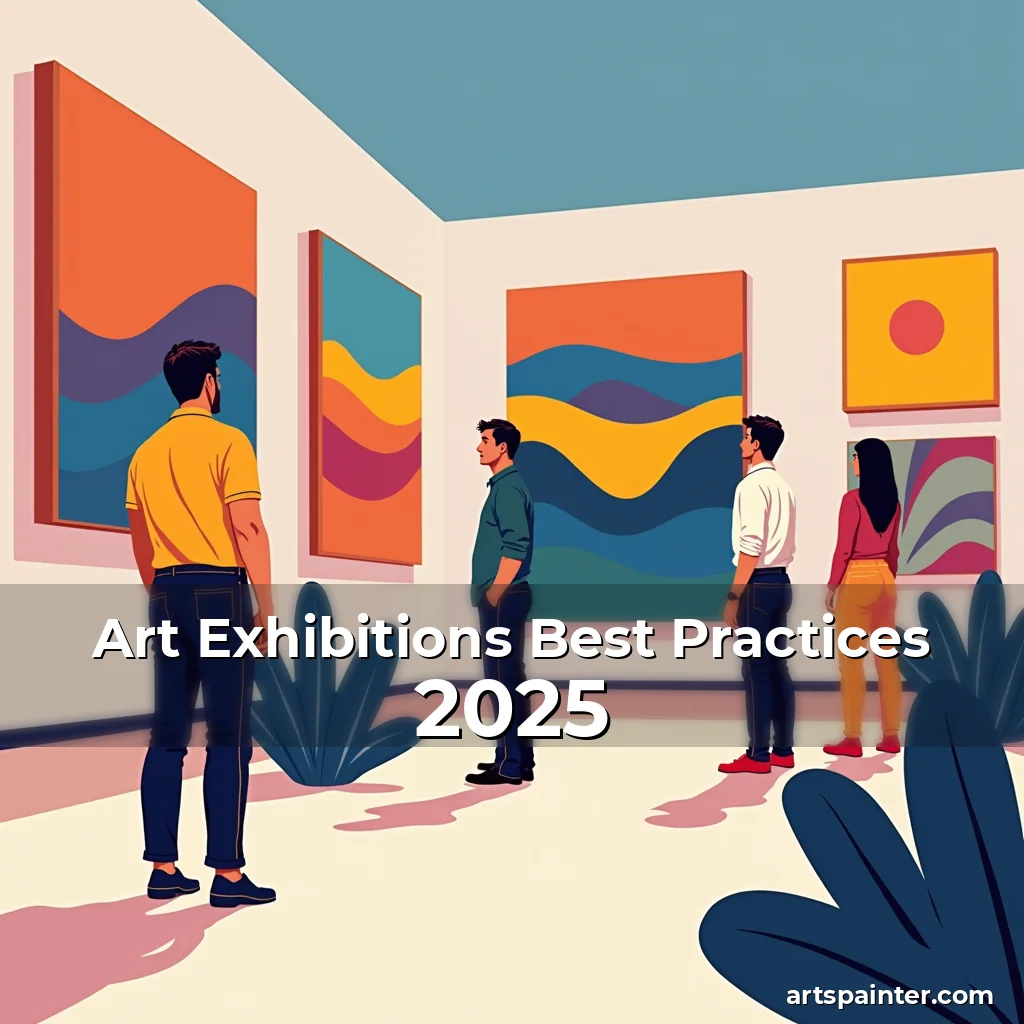
Table of Contents
ToggleThe Evolution and Impact of Art Exhibitions in Contemporary Creative Practice
In an era defined by digital transformation and global connectivity, art exhibitions have evolved beyond traditional gallery spaces to become dynamic platforms for artistic innovation, cultural dialogue, and professional networking.
This article explores how contemporary artists can strategically leverage these evolving exhibition landscapes to enhance visibility, build sustainable careers, and engage meaningfully with diverse audiences across physical and virtual domains.
Reimagining Exhibition Spaces in the Digital Age
The boundaries between physical galleries and online platforms are dissolving at unprecedented speed. Artists now have access to hybrid models that combine immersive in-person experiences with expansive digital reach through virtual reality installations and interactive web portals.
Pioneering institutions like The Museum of Modern Art have demonstrated that successful exhibitions require seamless integration of analog and digital elements. This dual approach allows artists to create layered narratives that transcend geographical limitations while maintaining tactile authenticity.
Virtual reality technology is particularly transformative for installation artists seeking to showcase spatially complex works. Platforms like VRChat enable viewers from Tokyo to New York to experience sculptures in their full three-dimensional glory without leaving home.
- Hybrid exhibitions: Blend physical artworks with augmented reality overlays to provide additional context and interactivity
- Global accessibility: Live-streamed events allow participation from international audiences who might not travel physically
- Interactive components: Touchscreen interfaces and motion sensors can transform passive viewing into active engagement
Crafting Compelling Curatorial Narratives
A strong curatorial vision transforms individual artworks into cohesive storytelling experiences. Curators act as narrative architects, weaving together themes, styles, and historical contexts to create meaningful dialogues among exhibited pieces.
For emerging artists, understanding curatorial intent is crucial when selecting which exhibitions to participate in. Aligning your work with thematic exhibitions increases visibility and relevance within specific artistic conversations.
Curatorially driven group shows often feature curated soundtracks, lighting schemes, and spatial arrangements that elevate each artwork’s impact. These environmental factors can dramatically alter how viewers perceive and interact with visual media.
Data-Informed Curation Strategies
Modern curation increasingly relies on data analytics to understand viewer behavior patterns. Museums use heat mapping technologies to track where visitors linger longest before adjusting exhibit layouts accordingly.
An analysis of visitor interactions at the Tate Modern revealed that installations placed near high-traffic areas received 40% more engagement than those positioned in quieter zones. Such findings inform strategic placement decisions during exhibition design phases.
These insights help curators make evidence-based choices about flow dynamics, ensuring optimal exposure for every participating artist’s work while enhancing overall visitor satisfaction metrics.
Bridging Analog and Digital Engagement Strategies
Successful exhibition marketing requires omnichannel strategies that integrate both traditional and digital outreach methods. Physical invitations paired with social media teasers create anticipation across multiple touchpoints.
Augmented reality features can be embedded in printed materials, allowing collectors to view 3D renderings of artworks using smartphone apps. This fusion of old and new formats caters to different generational preferences effectively.
Email campaigns targeting local arts communities should include QR codes linking to exclusive behind-the-scenes content. This encourages deeper engagement while providing value-added material outside formal exhibition hours.
Building Professional Networks Through Exhibitions
Exhibitions serve as vital incubators for professional relationships in the art world. From casual encounters with fellow creatives to structured portfolio reviews, these events offer unparalleled opportunities for career development.
Emerging artists should proactively seek out mentorship opportunities during exhibition openings. Established professionals often attend these events specifically to discover promising talent and potential collaborators.
Networking doesn’t always happen spontaneously; preparing targeted questions and having clear objectives significantly improves connection quality. Research attendees’ backgrounds beforehand to identify relevant conversation starters.
Leveraging Social Media for Exhibition Promotion
Social media has transformed how artists promote their exhibition participation. Strategic hashtag usage combined with visually compelling content creates organic buzz around upcoming events.
Instagram Stories with countdowns and sneak peeks generate excitement while keeping followers engaged in the lead-up period. Polls and Q&A sessions encourage interaction that extends beyond simple likes and shares.
Dedicating time to cultivate relationships with influential art bloggers and critics can amplify visibility exponentially. Their endorsements carry significant weight within niche creative communities.
Creating Memorable Visitor Experiences
Exceptional exhibitions prioritize experiential design that invites emotional investment rather than passive observation. Interactive elements create lasting impressions that distinguish memorable shows from forgettable ones.
Artist talks and live demonstrations add educational depth while making abstract concepts more accessible. These programs also provide direct feedback channels for creators looking to refine their practice.
Well-designed signage systems guide navigation without overwhelming viewers. Clear wayfinding ensures that even first-time visitors can fully appreciate the exhibition’s intended progression.
Fostering Inclusivity and Accessibility
Inclusive exhibition practices ensure that diverse audiences can engage with art regardless of ability, background, or socioeconomic status. Accessible design principles benefit everyone, creating more universally appealing environments.
Tactile exhibits for visually impaired guests demonstrate commitment to inclusivity without compromising aesthetic integrity. Sign language interpreters at opening receptions show respect for Deaf community members.
Providing multilingual resources acknowledges global audiences while respecting cultural sensitivities. Offering free admission days supports underrepresented groups who may face financial barriers to entry.
Evaluating Exhibition Success Metrics
Measuring exhibition success goes beyond simple attendance numbers. Comprehensive evaluation considers qualitative feedback alongside quantitative data to form holistic assessments.
Visitor surveys capture subjective experiences that numerical indicators alone cannot convey. Open-ended responses reveal unexpected insights about what resonated most with different demographic groups.
Analyzing social media sentiment provides real-time reactions that can inform future programming choices. Positive word-of-mouth generates long-term brand equity for both artists and venues alike.
Conclusion
The modern landscape of art exhibitions demands adaptability, creativity, and strategic foresight from all participants. By embracing technological innovations and inclusive practices, artists can maximize the impact of their exhibition engagements.
As you prepare for upcoming showcases, remember that each exhibition represents not just an opportunity to display work but also a chance to contribute meaningfully to the ever-evolving story of contemporary art.