Table of Contents
The Resurgence of Analog Techniques in Digital Age Artistry
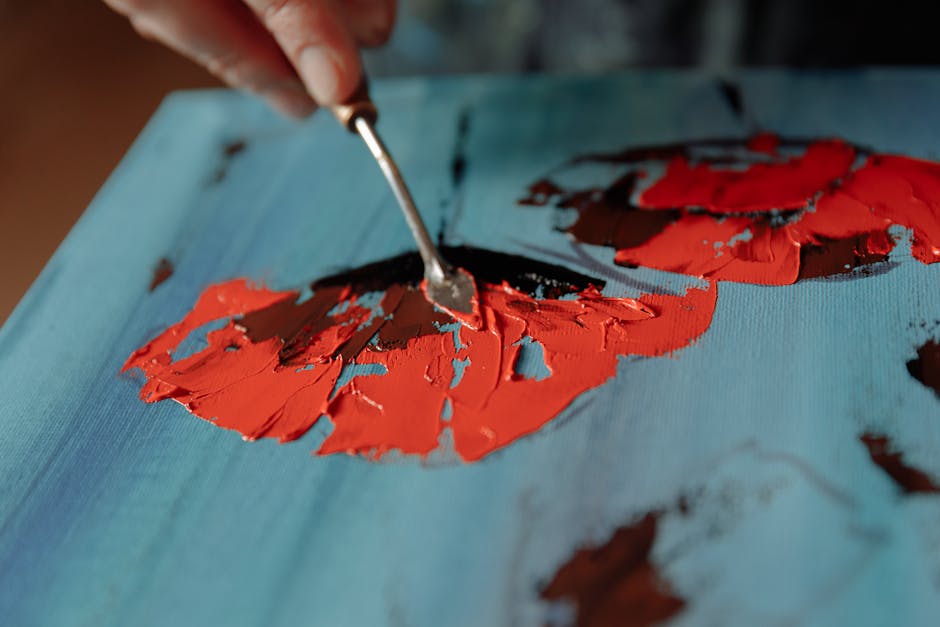
In an era dominated by digital tools and AI-driven creativity, there’s been a remarkable resurgence of analog techniques that are redefining modern artistic expression. Artists across disciplines—from painters to illustrators—are embracing traditional methods such as watercolor, oil painting, and mixed media to create work that feels deeply personal and tactile.
This revival isn’t merely nostalgic; it reflects a growing desire among creatives to connect with the physicality of their craft. As technology continues to evolve at breakneck speed, many artists find solace in the imperfections and unpredictability of handcrafted materials.
The Rise of Mixed Media Collage
Mixed media collage has emerged as one of the most dynamic and versatile art forms gaining traction within contemporary circles. This technique allows artists to combine various textures, colors, and materials—ranging from vintage photographs to fabric scraps—to produce visually compelling compositions.
The appeal lies in its ability to tell layered stories through juxtaposition. By merging disparate elements, artists can evoke complex emotions and narratives that might be difficult to achieve with singular mediums alone.
- Diverse Material Integration: Incorporating objects like newspaper clippings, paint chips, and even natural elements adds depth and dimensionality to artworks.
- Cultural Commentary: Many contemporary collagists use this medium to critique societal norms or explore themes related to identity, memory, and consumer culture.
Art institutions worldwide have begun showcasing these works prominently, recognizing them as significant contributions to visual storytelling. Exhibitions often feature interactive installations where viewers contribute pieces themselves, blurring the lines between artist and audience.
Exploring the Intersection of Street Art and Fine Arts
The boundary between street art and fine arts is becoming increasingly blurred, creating exciting new opportunities for collaboration and innovation. Murals once confined to urban walls now appear in galleries, while gallery-bound paintings frequently incorporate graffiti-inspired motifs.
This convergence is driven by a shared ethos of accessibility and immediacy. Both movements prioritize public engagement over exclusivity, challenging conventional notions of what constitutes “legitimate” artwork.
Graffiti-Influenced Gallery Pieces
A notable trend involves gallery artists adopting spray paint and stenciling techniques typically associated with street artists. These works often carry strong political messages or social commentary, reflecting current events and cultural shifts.
For example, renowned painter Sarah Johnson recently unveiled a series titled “Urban Pulse,” which features large-scale canvases adorned with abstract graffiti patterns inspired by her city’s vibrant mural scene. The collection received critical acclaim for its fusion of rebellion and refinement.
Redefining Abstract Expressionism Through New Lenses
Abstract expressionism is experiencing a fresh wave of interpretation as emerging artists infuse it with diverse perspectives and modern sensibilities. While rooted in post-war America, today’s versions draw inspiration from global cultures and technological advancements.
This evolution includes both literal reinterpretations of classic styles and entirely novel approaches that challenge established definitions. Some artists experiment with unconventional surfaces or integrate performance aspects into their process.
- Cross-Cultural Influences: Contemporary abstract expressionists often blend Eastern philosophies with Western techniques, resulting in richly textured works imbued with spiritual significance.
- Technological Enhancements: Augmented reality applications allow audiences to interact with static pieces dynamically, transforming viewing experiences into immersive encounters.
Educational programs are adapting curricula accordingly, emphasizing interdisciplinary studies that encourage students to think beyond traditional boundaries when exploring abstraction.
The Role of NFTs and Blockchain Technology in Art Markets
NFTs (Non-Fungible Tokens) have revolutionized how we perceive ownership and value in the art world. By leveraging blockchain technology, creators can tokenize their digital creations, ensuring authenticity and provenance without reliance on centralized authorities.
This shift has democratized access to high-end markets previously controlled by elite collectors and auction houses. Younger generations of artists now possess unprecedented control over pricing strategies and distribution channels.
Challenges and Opportunities
Despite its promise, the integration of NFTs presents challenges regarding environmental impact due to energy-intensive mining processes used in maintaining blockchains. However, solutions such as eco-friendly platforms continue to emerge, offering sustainable alternatives.
Moreover, debates persist around whether digital artworks hold comparable worth to physical counterparts. Yet ongoing dialogues suggest that hybrid models combining both realms may become standard practice soon.
Sustainable Practices Gaining Momentum Amongst Creative Professionals
Sustainability concerns are influencing every facet of creative industries, including material sourcing, production methods, and exhibition practices. Eco-conscious artists are actively seeking ways to minimize waste while maximizing aesthetic potential through innovative recycling initiatives.
Pioneering projects include using reclaimed wood for sculpture bases or repurposing discarded textiles into intricate woven wall hangings. Such endeavors not only reduce ecological footprints but also foster conversations about consumption habits.
- Biodegradable Materials: Increasing availability of plant-based paints and non-toxic adhesives enables safer experimentation without compromising quality standards.
- Zero-Waste Workshops: Community-led workshops teach participants how to upcycle everyday items into functional art pieces, promoting circular economy principles effectively.
Major design festivals now dedicate entire sections to highlighting environmentally responsible practices, signaling broader acceptance of green values within mainstream creative communities.
Emerging Technologies Shaping Future Creativity
Virtual and augmented reality technologies are opening doors to uncharted territories in artistic exploration. From fully immersive VR environments to AR-enhanced sculptures, these innovations offer limitless possibilities for interaction and perception.
One groundbreaking application involves allowing users to manipulate virtual brush strokes mid-air, translating gestures into tangible visual outputs instantly. Museums experimenting with AR overlays enable visitors to experience historical artworks differently than ever before.
- Collaborative Virtual Studios: Cloud-based platforms facilitate real-time collaborations across continents, enabling teams to co-create digital masterpieces seamlessly despite geographical distances.
- Haptic Feedback Systems: Advanced haptics provide tactile sensations during digital creation sessions, bridging sensory gaps between physical craftsmanship and electronic interfaces.
As these tools mature, they’re likely to redefine educational frameworks too, equipping future artists with skills tailored specifically toward navigating hybrid realities confidently.
Reclaiming Cultural Narratives Through Representation in Art
In recent years, there’s been heightened emphasis placed upon representing marginalized voices authentically within mainstream artistic discourse. This movement seeks to correct imbalances caused by long-standing exclusionary practices prevalent in institutional settings.
By centering underrepresented identities—including Indigenous peoples, LGBTQ+ communities, disabled individuals—the narrative scope expands significantly, fostering inclusivity at both local and international levels.
- Indigenous Storytelling Revival: Traditional oral histories are being preserved digitally alongside ceremonial artifacts, ensuring intergenerational knowledge transfer remains intact amidst rapid globalization pressures.
- LGBTQ+ Visibility Projects: Curated exhibitions spotlight queer artists whose works interrogate gender fluidity, sexual orientation, and intersectional issues critically yet sensitively.
Such efforts align closely with calls for decolonization within academia and museum sectors globally, pushing forward agendas centered around equity and justice visibly rather than passively.
Conclusion
The landscape of contemporary art continues evolving rapidly under influences ranging from technological breakthroughs to socio-political transformations shaping our collective consciousness daily.
To thrive amid these changes requires openness towards experimentation combined with ethical considerations guiding choices made throughout each phase—from conceptualization right down to final presentation formats selected carefully based on intended impacts desired overall.

news is a contributor at Arts Painter. We are committed to providing well-researched, accurate, and valuable content to our readers.