
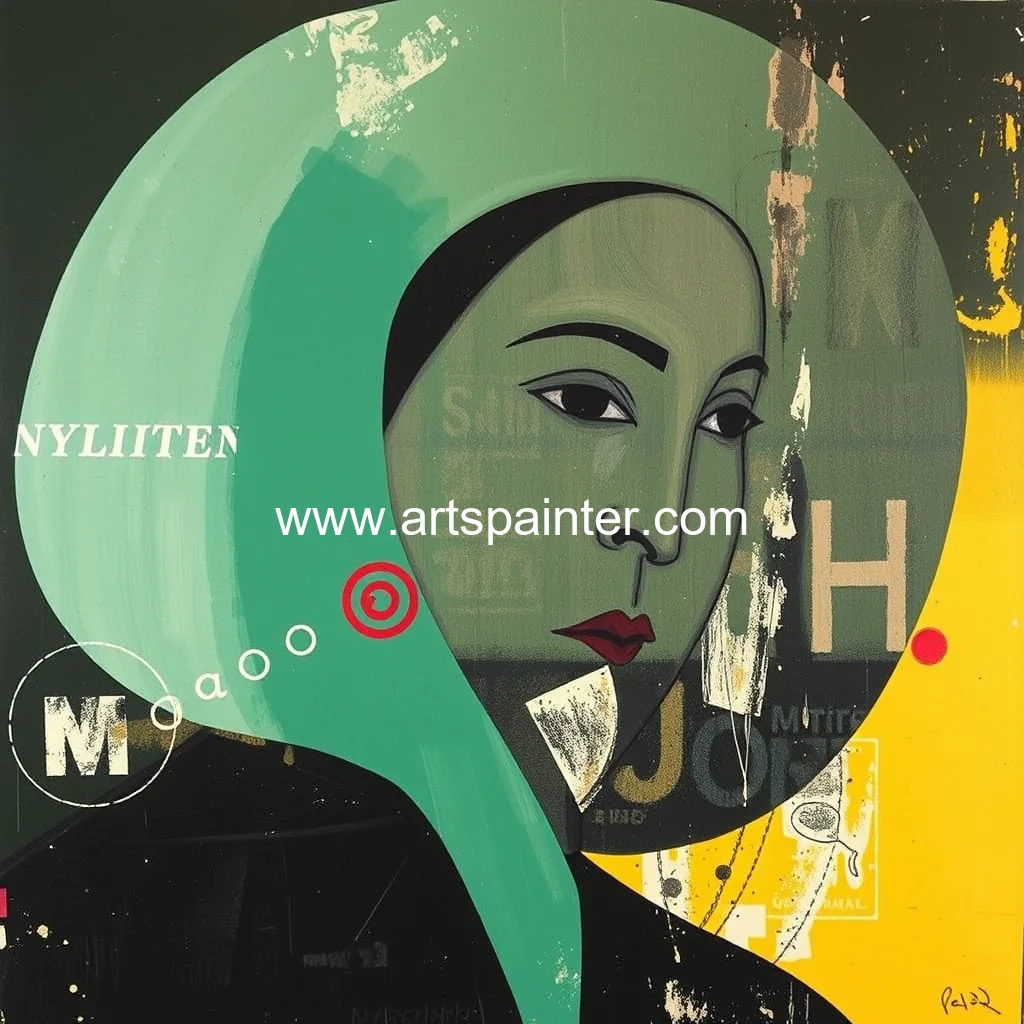
Women artists played a pivotal role in shaping the modern Indian art scene, contributing a unique visual language that distinguished their work from their male counterparts. With a subtle eye and sensitive brush, they brought a refined aesthetic and sensitivity to their creations. Their sculptures, pottery, and prints are not only valuable as artistic expressions but also as archival records, shedding light on the big ideas and movements of post-Independence Indian art. The work of these women artists has been instrumental in the evolution of Indian art, offering a nuanced perspective that has helped redefine the boundaries of artistic expression in the country. Women artists have been pivotal in shaping the landscape of modern Indian art, bringing a distinctive visual language to the forefront. Their work, characterized by a subtle eye and sensitive brush, has not only contributed to the aesthetic richness of Indian art but has also provided a nuanced understanding of the social and cultural contexts of post-Independence India. This unique perspective is evident in their sculptures, pottery, and prints, which serve as archival records, preserving the essence of the era. The subtlety in their work is not merely a stylistic choice but a reflection of their deep understanding of the human condition. Women artists, through their art, have delved into themes of identity, femininity, and the complexities of post-Independence society.
The exhibition, titled ‘Women Artists of India: A Journey Through Time’, showcases the diverse and rich contributions of these women to the Indian art scene.
Table of Contents
Introduction
The ‘Women Artists of India: A Journey Through Time’ exhibition, curated by Gallery Akar Prakar, is a celebration of the significant contributions made by women artists across India. This groundbreaking showcase brings together 14 influential women artists, highlighting their unique styles, themes, and impact on the Indian art scene. Diverse Representation: The exhibition features artists from various regions, backgrounds, and artistic disciplines, reflecting the rich diversity of Indian art. *Historical Context*: The showcased works span several decades, offering a glimpse into the evolution of women’s art in India.
The Artists
- *Sarojini Sahoo*: A pioneer in the field of Indian art, Sahoo’s works are known for their vibrant colors and intricate patterns.
The Dawn of Women’s Visibility in Indian Art
The Swadeshi movement, a pivotal moment in India’s struggle for independence, not only fueled the nation’s economic self-sufficiency but also paved the way for women’s increased visibility in the arts. Among the trailblazers was Amrita Sher-Gil, whose unique blend of Indian tradition and Western modernism marked a significant shift in the portrayal of Indian life. * Amrita Sher-Gil’s Early Life and Influences
- The Swadeshi Movement’s Impact on Indian Art
- Sher-Gil’s Artistic Style and Techniques
- The Subtleties of Western Modernism in Indian Art
- Amrita Sher-Gil’s Legacy and Influence
Amrita Sher-Gil’s Early Life and Influences
Born in Budapest, Hungary, in 1913, Amrita Sher-Gil was the daughter of a wealthy Indian family.
The Life and Art of Devyani Krishna
Devyani Krishna was a pioneering Indian artist whose work transcended traditional boundaries and delved into the realm of abstract art. Born in 1910, Krishna’s journey through the art world was marked by her bold exploration of themes that resonated deeply with the Indian woman’s experience. Influences and Inspirations*
- – *Tibetan Culture and Buddhism: Krishna’s art was heavily influenced by Tibetan culture and Buddhist art, which she incorporated into her unique style. – Abstract Art*: She ventured into abstract art, challenging conventional aesthetics and creating a new visual language.
Her sculptures and installations are a testament to her innovative approach.
The Legacy of Indian Modern Art
Indian modern art has been shaped by the contributions of several remarkable artists, among whom Kamala Das Gupta and Nasreen Mohamedi stand out. Their unique styles and innovative techniques have left an indelible mark on the art world.
Kamala Das Gupta: A Sculptor’s Journey
- Born in 1915, Kamala Das Gupta was a pioneer in Indian sculpture. Her works are characterized by a distinctive formative language. Gupta’s sculptures reflect a deep understanding of Indian culture and tradition. Kamala Das Gupta’s journey as an artist began in the early 20th century. She was deeply influenced by the rich cultural heritage of India, which she skillfully incorporated into her sculptures. Her works are not just artistic expressions but also a celebration of Indian identity. ### The Formative Language of Gupta’s Sculptures
The Formative Language of Gupta’s Sculptures
Gupta’s sculptures are renowned for their unique formative language. This language is characterized by:
- A harmonious blend of traditional Indian motifs and modern aesthetics.
— The writer is a Delhi-based contributor
About the Author