Table of Contents
The Alchemy of Creation: Unleashing Artistic Expression Through Vision and Soul
In an age where creativity is both celebrated and commodified, artistic expression stands as the purest form of human connection—a bridge between inner worlds and external realities. For artists and creatives, this act isn’t merely about producing work; it’s about channeling raw emotion, personal narratives, and cultural commentary into tangible forms that resonate across time.
Artistic expression transcends mediums, techniques, and boundaries, offering individuals a means to communicate what language often fails to capture. Whether through paint strokes, digital pixels, sculpted clay, or woven fibers, each creation becomes a testament to the artist’s journey, struggles, triumphs, and vision.
The Essence of Artistic Expression: Beyond Technique and Form
At its core, artistic expression is not confined by rules or conventions but thrives in their absence. It emerges from within—an unfiltered dialogue between the creator and their deepest truths. This essence transforms mundane objects into profound statements and ordinary moments into eternal memories.
Technique serves as a vessel rather than a destination. While mastery of skills enhances execution, true expression lies in how those tools are wielded to convey meaning. A single brushstroke can evoke joy, sorrow, chaos, or serenity depending on intention, context, and interpretation.
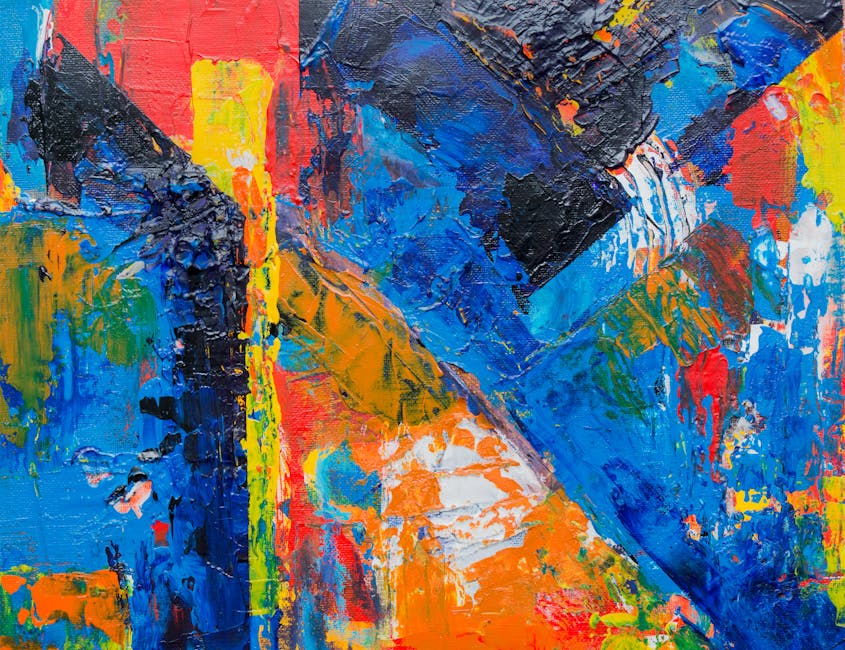
Consider the difference between replicating a photograph digitally versus capturing a fleeting emotional state through abstract shapes. The former adheres strictly to representation while the latter embraces ambiguity—both valid approaches yet fundamentally different in intent.
Artists who prioritize emotional resonance over technical perfection often find deeper connections with audiences. Their works invite viewers to project personal experiences onto the canvas, transforming passive observation into active participation.
- Vision: A clear internal image or concept drives every great piece of artwork. Even when working spontaneously, artists typically begin with some level of mental blueprint guiding their choices.
- Sensitivity: Artists must cultivate acute awareness of color, texture, composition, and symbolism. These elements become secondary languages through which complex ideas can be communicated effectively.
- Authenticity: Nothing resonates stronger than genuine self-expression. When creators pour their truth into their work, authenticity creates an invisible thread linking them to anyone who engages with it.
The Evolution of Artistic Identity: From Inspiration to Mastery
An artist’s identity evolves continuously through experimentation, reflection, and growth. Early stages may involve imitating admired styles before discovering one’s own voice. This progression mirrors broader life experiences shaping perspective and technique alike.
Creative development follows no linear path. Some artists achieve breakthroughs during periods of stagnation while others flourish after embracing new challenges or mediums. Patience becomes essential as refinement takes years rather than months.
Mastery does not equate to completion but signifies ongoing exploration. True experts understand that there will always be something more to learn, discover, or reinterpret—this mindset fuels innovation instead of limiting potential.
Many contemporary creators blend traditional methods with modern technologies. Digital painting software allows for unprecedented flexibility while maintaining tactile qualities similar to physical media. Such hybrid approaches expand possibilities without compromising integrity.
Case Study: The Digital Renaissance of Contemporary Artists
A recent survey revealed that 68% of visual artists now incorporate digital tools into their practice at least occasionally. Among these respondents, 43% reported increased productivity due to features like undo functions, layer management, and instant previews.
Notably, 79% felt their creative freedom expanded through access to virtual brushes, textures, and effects unavailable in physical formats. However, 32% expressed concerns about losing touch with material properties inherent to traditional mediums.
This duality reflects broader tensions within the creative community regarding technological integration. Balancing efficiency gains against sensory engagement remains crucial for maintaining authentic artistic processes.
Ultimately, technology acts as an extension of the artist—not a replacement. Those who embrace it thoughtfully enhance their capabilities rather than diluting their message.
The Power Dynamics Behind Artistic Expression: Influence vs Integrity
External influences inevitably shape artistic output, raising questions about originality versus appropriation. Trends, client demands, market expectations—all exert pressure on creators navigating professional environments.
Successful artists develop strategies to maintain integrity amid competing interests. Setting firm boundaries around personal projects versus commercial assignments helps preserve creative autonomy. Transparency with collaborators ensures mutual understanding regarding creative direction.
Ethical considerations extend beyond immediate relationships. Cultural sensitivity requires research and respect when depicting unfamiliar subjects or communities. Misrepresentation carries real consequences affecting both reputation and impact.
Digital platforms amplify visibility but also intensify scrutiny. Social media algorithms favor certain aesthetics over others, subtly influencing what gets seen and shared. Navigating these dynamics requires discernment and resilience.
Cultivating Creativity: Practices That Fuel Artistic Expression
Consistent creative habits build momentum necessary for sustained expression. Establishing routines—even simple ones like daily sketchbook sessions—creates muscle memory for ideation and execution.
Environment plays a critical role in fostering inspiration. Organized workspaces reduce cognitive load whereas cluttered surroundings stimulate spontaneity. Both extremes have merits depending on individual preferences and current needs.
Curated inspiration boards help track evolving tastes and themes. Physical collages alongside digital mood boards create multi-sensory references useful during conceptual phases.
Regularly stepping away from familiar settings prevents stagnation. Travel, nature walks, museum visits—all provide fresh perspectives reshaping existing paradigms.
The Emotional Landscape: How Feelings Shape Creative Outputs
Emotional states profoundly influence artistic decisions—from palette choices to compositional structures. Joy might manifest in vibrant hues and dynamic lines while grief could translate into muted tones and fragmented forms.
Keeping emotion journals alongside artworks offers insight into recurring patterns connecting feelings with particular symbols or techniques. Recognizing these links deepens future expressions through conscious application.
Catharsis plays a vital role in healing through making. Many therapists use art therapy precisely because creating provides safe outlets for difficult emotions without requiring verbal articulation.
Conversely, forcing overly intense emotions into work risks coming off as insincere or exploitative. Authenticity arises naturally when expressions align with lived experience rather than contrived sentimentality.
answer: vasudeo gaitonde: revolutionizing indian art with rebellious vision!
Bridging Cultures: Global Perspectives on Artistic Expression
Cross-cultural exchange enriches artistic vocabulary by exposing creators to diverse traditions and philosophies. Japanese ink wash paintings teach restraint while Aboriginal dot art emphasizes storytelling through pattern repetition.
Language barriers dissolve when communicating through visual metaphors accessible globally. Iconic imagery such as the dove symbolizing peace operates universally regardless of textual comprehension.
However, cultural appropriation remains controversial. Borrowing motifs without understanding historical contexts risks reducing sacred symbols to mere aesthetic choices devoid of significance.
Responsible cross-pollination involves thorough study, respectful adaptation, and acknowledgment of sources. Collaborative efforts between cultures produce innovative hybrids honoring origins while forging new paths forward.
Artistic Expression in Education: Fostering Future Generations
Integrating arts education nurtures holistic development beyond technical skill acquisition. Students learning drawing fundamentals simultaneously develop problem-solving abilities applicable across disciplines.
Studies show early exposure to creative activities correlates positively with enhanced academic performance and social-emotional intelligence. Schools incorporating music, drama, and visual arts report higher student engagement levels overall.
Challenges persist however, particularly in underfunded institutions lacking resources for quality programs. Advocacy efforts continue pushing for equitable access ensuring all children benefit equally from creative learning opportunities.
Online platforms democratize knowledge sharing allowing global collaboration among educators developing inclusive curricula adaptable for various socioeconomic backgrounds.
The Business of Artistry: Balancing Passion With Practicality
Professional artists face dual pressures managing creative pursuits alongside financial obligations. Freelance contracts, grants, residencies—all require strategic planning akin to running any business enterprise.
Building brand identity becomes imperative for visibility amidst competition. Consistent visual motifs across portfolios establish recognizable signatures attracting targeted clients or collectors interested in specific styles.
Pricing strategies demand careful consideration balancing fair compensation with market realities. Researching comparable sales data helps determine reasonable rates avoiding undervaluation or overpricing pitfalls.
Networking events, gallery exhibitions, online presence—all contribute to career longevity. Maintaining relationships with patrons, curators, and fellow artists opens doors previously inaccessible through solitary studio practice alone.
Overcoming Blocks: Strategies for Reigniting Creative Energy
Creative blocks affect everyone eventually. Rather than viewing them as failures, reframe them as natural parts of the process requiring alternative approaches.
Changing environment stimulates renewed interest. Working outdoors, switching materials, or collaborating with peers introduces unexpected stimuli triggering dormant ideas.
Mindfulness practices aid in reconnecting with intrinsic motivations. Meditation, journaling, or guided visualization exercises restore clarity lost beneath overwhelm or self-doubt.
If persistent obstacles arise despite best efforts, seeking mentorship proves invaluable. Experienced guides offer personalized insights helping identify root causes behind blockage rather than surface symptoms.
Conclusion
Artistic expression endures as humanity’s most enduring legacy—an ever-evolving conversation between past, present, and future generations. Its power lies not in perfection but in vulnerability, honesty, and courage to share uniquely human experiences.
For every artist reading this, remember: your voice matters. Keep exploring, experimenting, and expressing freely knowing that even imperfect creations hold value simply by being born from you.

news is a contributor at Arts Painter. We are committed to providing well-researched, accurate, and valuable content to our readers.