Table of Contents
The Alchemy of Art Inspiration: Unveiling the Hidden Wellsprings Within
In the quiet sanctuary where creativity blooms, every artist understands that true inspiration is not merely stumbled upon—it’s cultivated through intention and awareness. It whispers from unexpected corners, dances between moments of chaos and clarity, and often emerges when we least expect it.
This exploration delves deep into the enigmatic world of artistic motivation, revealing how even the most elusive sparks can ignite masterpieces when nurtured properly. We will uncover practical strategies that transform fleeting ideas into enduring works of art.
Dancing With Serendipity: Embracing the Unexpected
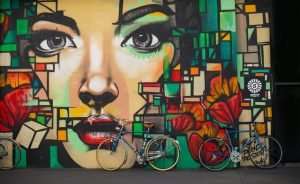
Artistic inspiration frequently arrives cloaked in disguise, hiding within the mundane routines of daily life. A rusted bicycle chain caught in sunlight might spark an entirely new color palette; the rhythm of rain against windows could become the pulse of your next masterpiece.
Maintaining open channels between consciousness and subconscious allows these random encounters to blossom into profound creative expressions. This requires cultivating mindfulness—an active engagement with surroundings rather than passive observation.
- Cultivate curiosity: Approach ordinary objects with fresh eyes by asking questions like “What story does this tell?” or “How would I paint this differently today?”
- Keep sketchbooks everywhere: Carry portable drawing tools at all times to capture sudden revelations before they vanish into memory’s abyss.
When you make serendipity part of your practice, you create fertile ground for inspiration to take root naturally without forcing its presence. This approach transforms chance occurrences into deliberate discoveries.
Some artists find that setting up small rituals around their workspace helps them remain receptive—lighting candles as symbols of illumination, arranging paints in particular orders that reflect emotional states, or using scents associated with past breakthroughs.
Bridging Worlds: How Nature Becomes Muse
Nature offers endless reservoirs of visual stimuli, emotional resonance, and symbolic meaning waiting to be transformed through artistic interpretation. From microscopic patterns in leaves to vast cosmic landscapes above us, there are layers upon layers of beauty ready to inspire.
The key lies not only in observing nature but truly connecting with it emotionally. When you walk through forests or sit beside oceans, allow yourself to feel what those environments evoke rather than simply looking at them objectively.
Studies show that spending time outdoors significantly increases creative problem-solving abilities. Researchers at the University of Utah found participants who spent four days immersed in nature experienced a 50% boost in divergent thinking—the core skill behind innovation and originality.
You don’t need grand expeditions to access natural inspiration. Even brief walks during lunch breaks can reset mental faculties and provide fresh perspectives. Consider incorporating elements from local parks, gardens, or nearby water bodies into your work.
The Science Behind Nature’s Influence
Neuroscientists have discovered that exposure to natural scenes activates brain regions linked to attention restoration theory. These areas help replenish cognitive resources depleted by urban environments and digital overload—a phenomenon increasingly relevant in our modern age.
Fascinatingly, researchers at Stanford University observed that walking among trees reduced rumination by 28%, suggesting that natural settings help clear mental clutter which often stifles creativity. This makes sense intuitively—if our minds are less burdened by stress and anxiety, space opens up for imaginative thoughts.
Moreover, being surrounded by greenery has been shown to lower cortisol levels by up to 15%, creating physiological conditions ideal for artistic production. Lower stress hormones mean greater neural plasticity and enhanced ability to think outside conventional frameworks.
These scientific findings validate what many artists instinctively know: disconnecting from artificial environments regularly renews creative energy. Make conscious efforts to integrate nature into your workflow whenever possible.
Redefining Routine: Transforming Daily Life Into Creative Fuel
Your everyday existence contains countless stories waiting to be translated onto canvas, paper, or any other medium. Grocery shopping routes, office commutes, even household chores hold potential narratives rich with texture and emotion.
To extract inspiration from routine tasks, shift perspective from mere obligation to opportunity. Instead of viewing errands as interruptions, consider them chances to observe human interactions, architectural details, or environmental textures worth capturing.
A simple exercise involves identifying three interesting things in each location you visit throughout the day. This trains your mind to notice details others overlook while simultaneously building a personal archive of visual references.
Developing this habit over weeks gradually changes how you perceive reality itself. What once seemed monotonous becomes filled with hidden wonders ripe for artistic reinterpretation.
Tapping Into Memory Lane: Mining Personal History For Creativity
Your own experiences form one of the richest sources of artistic material available. Every joy, sorrow, triumph, and failure holds transformative power when woven into visual storytelling.
Create dedicated journals documenting significant events, emotions felt during various periods, and sensory memories tied to different stages of life. These records serve both as raw materials for future projects and as reflective tools for understanding your creative evolution.
For instance, revisiting childhood photographs may trigger vivid recollections of smells, sounds, and physical sensations associated with those times. Translating such multi-sensory memories into visual forms creates deeply authentic artworks.
Sometimes the most powerful pieces emerge from confronting difficult memories rather than avoiding them. Channeling pain into creation doesn’t erase suffering but provides catharsis and transformation through expression.
Connecting Across Cultures: Global Perspectives As Catalysts
Exposure to diverse cultures expands artistic horizons immeasurably. Traditional crafts from Japan, textiles from West Africa, sculpture techniques from Indigenous communities—all offer alternative approaches to material manipulation and conceptual development.
Traveling immerses you physically in unfamiliar contexts, but virtual exploration also yields tremendous value. Online archives preserve ancient practices accessible from anywhere, allowing cross-cultural studies without geographical limitations.
Engaging with foreign aesthetics challenges preconceived notions about artistry, pushing boundaries between tradition and innovation. Such exchanges foster hybrid styles that defy categorization yet resonate universally.
Cultural immersion isn’t limited to visual arts alone. Music from distant lands, literature written in different languages, culinary traditions—all contribute uniquely to an artist’s worldview and thus influence creative output profoundly.
Recharging Through Solitude And Reflection
In our hyperconnected era, carving out spaces free from distractions becomes essential for nurturing genuine inspiration. Periodic retreats from social media, emails, and constant notifications allow inner voices to rise unimpeded.
Many renowned artists credit solitary contemplation sessions as pivotal moments leading to breakthroughs. Van Gogh wrote extensively about his need for solitude amidst bustling cities, finding clarity only after retreating into rural seclusion.
Techniques vary widely—from meditative journaling exercises to structured silence periods—but common threads include intentional disconnection from external noise and focused inward gaze.
Implementing regular reflection practices builds resilience against creative burnout. Set aside specific times weekly to review completed works, assess progress toward goals, and contemplate emerging themes worthy of deeper investigation.
Harnessing Technology As An Inspirational Tool
While technology sometimes distracts, it also provides unprecedented opportunities for artistic exploration. Digital platforms expose creators to global movements, AI-generated imagery experiments, and interactive installations reshaping traditional definitions of art.
Explore apps designed specifically for creative ideation—some generate abstract shapes based on biometric data, while others curate randomized image collages sparking associative thought processes.
Virtual reality environments enable immersive experiences previously impossible, allowing artists to step inside paintings or manipulate sculptures digitally before committing to physical mediums.
Beware however of becoming too reliant on screens; balance technological experimentation with hands-on tactile experiences maintaining connection with fundamental artistic principles rooted in material interaction.
Conclusion
Artistic inspiration exists omnipresently, manifesting through myriad avenues awaiting discovery. By embracing randomness, seeking communion with nature, transforming daily life into narrative fuel, mining personal history, exploring cultural diversity, practicing mindful solitude, and judiciously employing technology—we cultivate sustainable wellsprings of creativity.
Remember always that inspiration seeks those who seek it actively. Nurture your receptiveness continuously, remain curious about all aspects of existence, and let your unique journey shape the remarkable visions destined to emerge from your hand—or brush, or chisel, or whatever instrument defines your chosen path.

news is a contributor at Arts Painter. We are committed to providing well-researched, accurate, and valuable content to our readers.