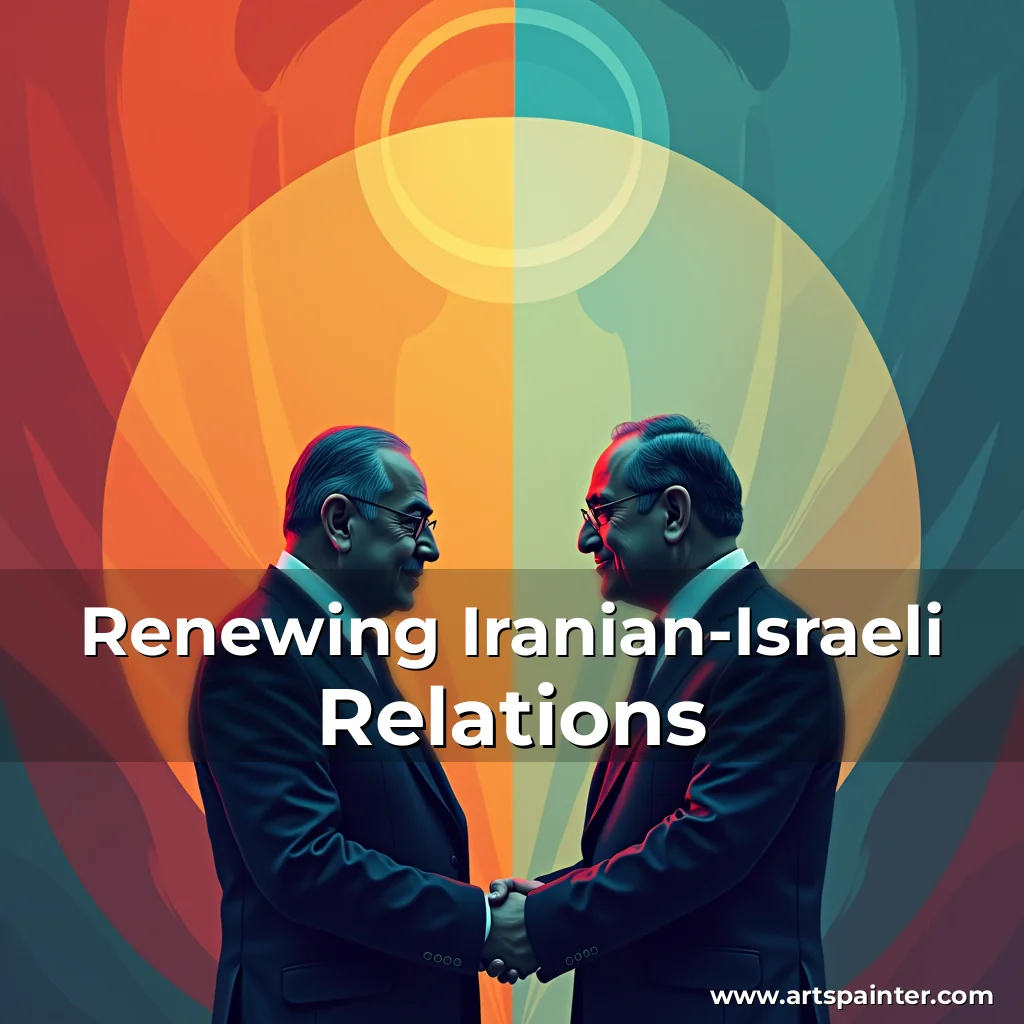
Iranian-born scholar and artist Faezeh Alavi defies the odds, promoting dialogue and understanding between Israelis and Iranians despite facing censorship and silencing techniques in academia. Faezeh Alavi, a 30-year-old scholar living in Scotland, has been an outspoken advocate for Iranian-Israeli relations, challenging the conventional wisdom that the two countries are irreconcilably at odds. Her experiences living in both Iran and the West have given her a unique perspective on the complexities of the region. Alavi’s views on the Iranian regime are shaped by her experiences living under its strict laws and censorship. She recalled the dual lives she led in Iran, where she had to constantly balance her intellectual curiosity with the regime’s oppressive policies. This experience has given her a deep understanding of the Iranian people’s desire for change, despite the regime’s propaganda. •
- Alavi emphasizes that most Iranians secretly desire change, even if they cannot express it openly.
- She notes that professors and teachers often resist the regime’s narrative, finding creative ways to speak truth to power.
- Alavi believes that art is a powerful tool for communication and can bridge cultural divides.
Despite the challenges she faces, Alavi remains optimistic about restoring Iranian-Israeli relations. She rejects Western silencing techniques in academia, which she sees as attempts to suppress her views and silence her voice. “It’s ironic that I left a country with no freedom of expression – only to find myself being silenced in the West – and in an event promoting dialogue between Israelis and Iranians,” she said. Alavi’s artwork, including her piece titled Chords of Cyrus, symbolizes the historical connection between Iran and Israel, referencing Cyrus the Great’s liberation of Jews from Babylonian captivity. She even created a map of Israel using Persian art techniques, highlighted with orange tones to show support for the Bibas family.
“Art can touch people’s hearts and bridge between them,” Alavi explained. “It doesn’t matter if it’s a poem or a painting. I see power in art that can reach anyone’s hearts. There are things that can’t be described with words, but art manages to convey messages even without them,” Alavi described Persian art relating strongly to emotions.
As a Muslim woman wearing a hijab while advocating against the Islamic regime in Iran, Alavi faces unique challenges and stigmas in her advocacy. She has been accused of Islamophobia and other forms of hate speech, despite her experiences being rooted in her personal life in Iran. Despite these challenges, Alavi remains undeterred. She will continue to challenge the regime’s narrative that ‘only non-Muslim Iranians desire political change.’ Alavi believes that her voice and message are crucial in promoting a more nuanced understanding of the region.
| Key Takeaways | Alavi’s Views on Iranian-Israeli Relations |
|---|---|
| Alavi believes that most Iranians secretly desire change, despite the regime’s propaganda. | Alavi rejects Western silencing techniques in academia, seeing them as attempts to suppress her views and silence her voice. |
| Alavi uses art as a tool for communication and believes it can bridge cultural divides. | Alavi faces unique challenges and stigmas as a Muslim woman advocating against the Islamic regime in Iran. |
Alavi’s artwork, including her piece titled Chords of Cyrus, symbolizes the historical connection between Iran and Israel, referencing Cyrus the Great’s liberation of Jews from Babylonian captivity. Her piece also highlights the importance of cultural exchange and understanding between the two nations. “Silenced, just like back at home”
Alavi described how she faces unique challenges and stigmas in her advocacy, including being accused of Islamophobia and other forms of hate speech. Despite these challenges, she remains undeterred and continues to challenge the regime’s narrative that ‘only non-Muslim Iranians desire political change.’
Examples of Alavi’s Artwork
Alavi’s artwork includes:
- Chords of Cyrus
- A map of Israel created using Persian art techniques, highlighted with orange tones to show support for the Bibas family
- A yellow hostage pin worn during her interview with The Jerusalem Post
In conclusion, Faezeh Alavi remains optimistic about restoring Iranian-Israeli relations, despite facing censorship and silencing techniques in academia. Her artwork and advocacy efforts serve as a testament to the power of artistic expression in promoting understanding and dialogue between Israelis and Iranians. Alavi’s experiences and views offer a unique perspective on the complexities of the region, highlighting the importance of cultural exchange and understanding between nations.

news is a contributor at Arts Painter. We are committed to providing well-researched, accurate, and valuable content to our readers.
Table of Contents