Table of Contents
Mastering Oil Painting: Techniques, Materials & Timeless Artistry
Oil painting remains one of the most revered artistic traditions, offering unparalleled flexibility in creating textures, depths, and luminosity. From Renaissance masterpieces to modern abstract expressions, the medium continues to captivate artists worldwide due to its ability to blend realism with emotion.
The enduring appeal of oil paint lies in its slow-drying nature, allowing artists to manipulate pigments even hours after initial application. This characteristic makes it ideal for complex compositions requiring meticulous detailing and layered transparency. Understanding these fundamentals sets the stage for exploring the intricate world of oil painting mastery.
Fundamental Materials for Oil Painting
Creating compelling oil paintings begins with selecting high-quality materials tailored to your technique and vision. Essential items include professional-grade brushes, absorbent canvas surfaces, and premium oil paints known for vibrant pigment retention.
A versatile set typically includes round, flat, and filbert brushes made from natural hair like hog bristles or synthetic fibers. For optimal adhesion, choose cotton-linen canvases pre-stretched on wooden frames rather than paper-based alternatives prone to warping.
- Pigment consistency: Select oil paints with consistent viscosity; overly thick mixtures hinder smooth blending while too runny ones create messy results.
- Medium selection: Experiment with various mediums such as linseed oil, safflower oil, or proprietary products to alter drying times and sheen characteristics.
Preparing Your Canvas Surface
Proper surface preparation ensures your artwork maintains integrity over decades. Begin by applying diluted gesso primer to prime raw linen or cotton canvases, creating a stable foundation resistant to yellowing.
For textured effects, consider using commercial gesso mixed with fine sand or crushed marble dust before applying additional layers. This method enhances dimensional qualities particularly useful in landscape or still life compositions where contrast is paramount.
Surface Treatment Options
Different surface treatments yield distinct visual outcomes. Traditional egg tempera grounds provide subtle graininess whereas slick gel mediums offer smooth planes perfect for photorealistic renderings. Choose based on desired tactile experience and final aesthetic goals.
Professional painters often employ multi-layered approaches beginning with rabbit skin glue followed by chalk gesso and finally tinted grounds matching their intended color schemes. These steps create archival quality substrates capable of supporting centuries of exposure without deterioration.
Mastery Through Color Theory Fundamentals
Understanding color relationships transforms basic pigment mixing into powerful visual storytelling. Study fundamental principles including hue families, saturation levels, and chromatic values to elevate composition quality significantly.
Create personal color charts by swatching combinations from your palette to understand compatibility better. Note how adding black affects vibrancy versus mixing complementary tones to produce neutral shades essential for realistic shading techniques.
Brushwork Techniques Across Styles
Varying brushstroke patterns enable expression beyond mere representation. Explore broad sweeping motions for landscapes, delicate stippling for skin textures, and directional marks mimicking fur or fabric weave.
Experiment with dry brushing techniques by lightly loading bristles with paint then dragging across rougher surfaces to produce desirable grunge effects. Practice controlled flicking motions for depicting water reflections or bird feathers accurately.
Layering Strategies for Depth Creation
Building dimensionality requires strategic layering starting from transparent washes progressing toward heavier opacities. Allow sufficient drying periods between translucent layers following the ‘fat over lean’ rule crucial for structural stability.
Increase pigment concentration gradually moving upward within the picture plane while decreasing solvent ratios to maintain adhesive properties. Referencing historical masterworks demonstrates how successive glazes created lifelike skin tones through incremental buildups.
Advanced Impasto Textures & Effects
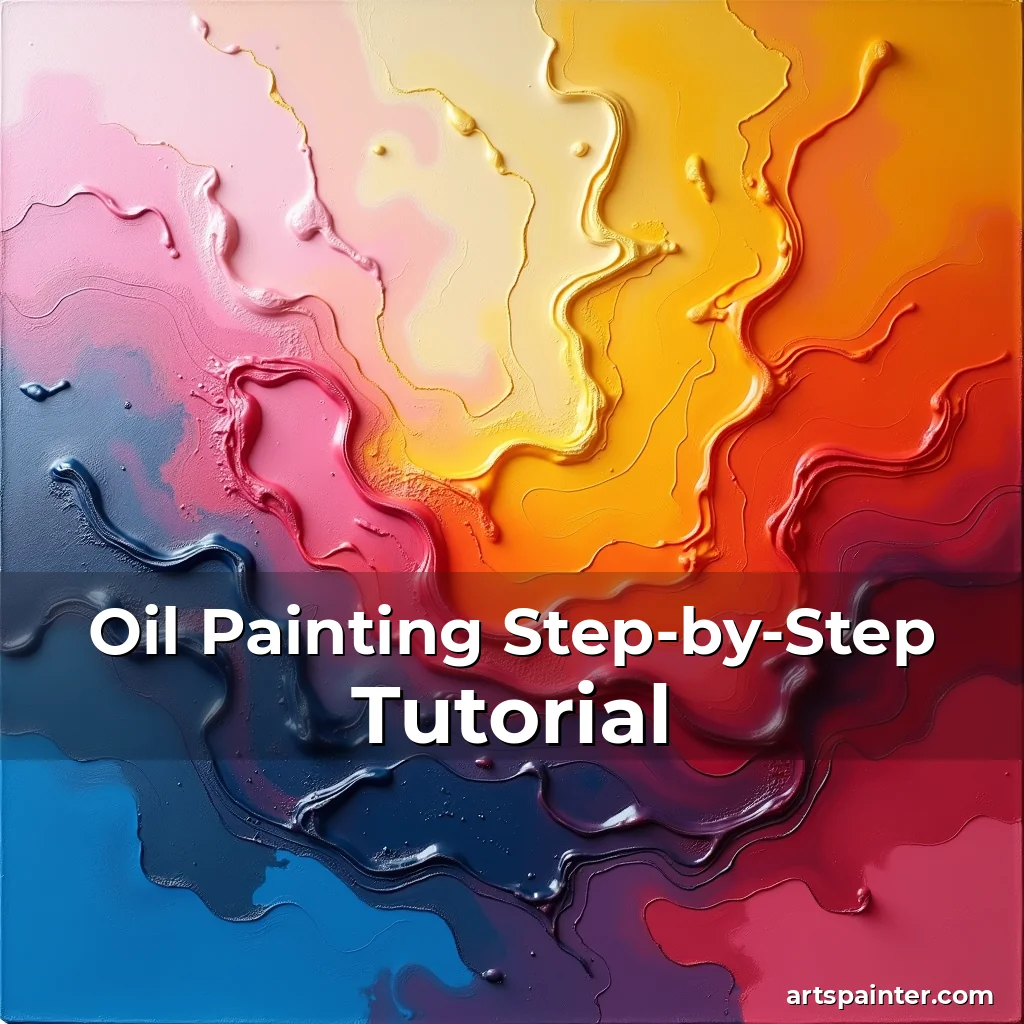
Impasto techniques unlock dramatic three-dimensional possibilities through thickened paint applications. Utilize palette knives, trowels, or specialized implements designed specifically for heavy body paint manipulation.
Manipulate consistency by adjusting medium ratios; higher binder concentrations increase elasticity reducing risk of cracking later. Combine this with texturing pastes containing marble powder or brick dust to enhance tactile engagement further.
Conservation Practices for Longevity
Preserving oil paintings demands careful handling during creation and storage phases alike. Always clean brushes thoroughly after each session using odorless mineral spirits preventing residue accumulation damaging future projects.
Store completed pieces away from direct sunlight maintaining humidity below 60% relative levels to minimize mold risks. Display behind UV protective glass whenever possible especially if hanging near windows where light exposure occurs frequently.
Evolving Trends in Contemporary Oil Painting
Modern practitioners continually innovate within classical frameworks incorporating digital influences. Some integrate projected images onto stretched canvases while others combine oils with digital prints through transfer techniques enabling hybrid aesthetics.
Experimental artists now explore unconventional supports ranging from concrete slabs to recycled industrial materials expanding traditional notions of what constitutes appropriate painting surfaces today.
Conclusion
Oil painting endures as a dynamic medium continuously reinvented by generations of artists. Mastering foundational skills provides a springboard for creative exploration limited only by imagination and technical proficiency developed through persistent practice.
Begin experimenting with recommended materials while studying masterworks for inspiration. Remember every great artist was once a beginner developing expertise step by step through deliberate effort and curiosity-driven discovery.

news is a contributor at Arts Painter. We are committed to providing well-researched, accurate, and valuable content to our readers.