Table of Contents
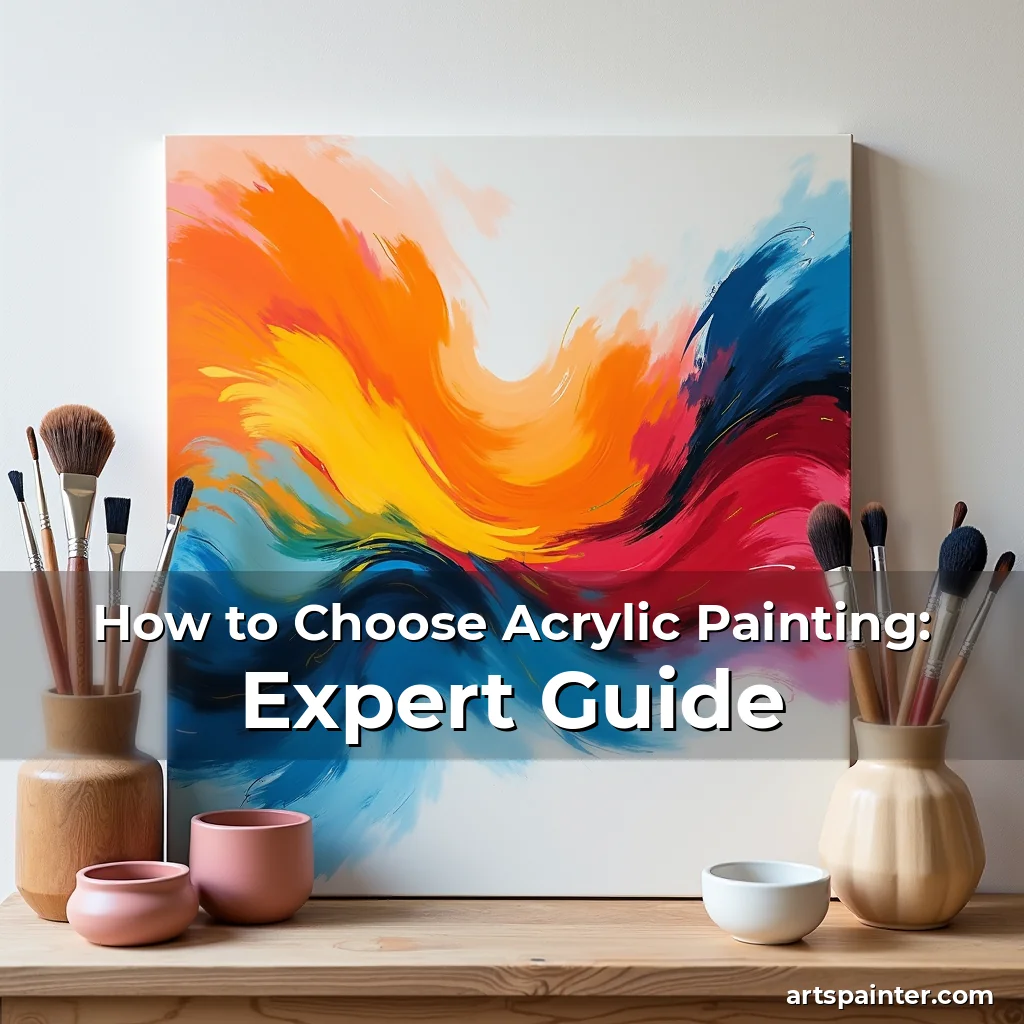
How to Choose Acrylic Painting: Expert Guide
In the dynamic world of visual arts, acrylic painting has emerged as a favored medium among artists due to its versatility and adaptability. This guide delves into the nuances of selecting the right materials, techniques, and approaches when working with acrylics.
Acrylic paints offer an array of benefits that make them suitable for both beginners and seasoned professionals. Their fast-drying nature allows for quick layering and experimentation without compromising quality.
The Evolution of Acrylic Paints in Modern Art
Acrylic paints have transformed from being novelty items to essential tools in contemporary art practices. Developed initially in the mid-20th century by chemists seeking a water-based alternative to oil paint, their popularity surged through the decades.
The transition from traditional mediums was not immediate but gained momentum as artists discovered the advantages of acrylic’s flexibility and vibrant color retention. Today, they are used across various genres—from abstract expressionism to hyper-realistic portraiture.
Modern advancements in formulation have led to improved consistency, lightfastness, and adhesion properties. These enhancements ensure that artworks maintain their integrity over time while offering greater artistic freedom.
- Water-based composition: Unlike oils, which require solvents for thinning, acrylics can be diluted easily using just water. This makes cleanup simpler and safer for studio environments.
- Versatile application methods: Artists can use brushes, palette knives, sponges, or even spray guns depending on desired effects. The ability to manipulate texture adds another dimension to creativity.
Selecting Quality Materials for Optimal Results
Choosing high-quality supplies significantly impacts the outcome of any acrylic artwork. From pigments to canvases, each component plays a crucial role in determining final results.
A prime consideration is the type of pigment used in the paint itself. Higher-grade paints contain pure mineral or organic pigments resulting in richer colors compared to lower-end alternatives filled with fillers.
Canvas selection also matters greatly; stretched cotton linen provides better absorption than synthetic substrates which may affect how layers behave during drying cycles.
Brushes made specifically for acrylic work feature firmer bristles designed to handle thicker consistencies effectively without fraying quickly under pressure.
Investing in archival-quality varnishes ensures long-term protection against UV damage and yellowing—essential aspects often overlooked by novice painters.
Mixing Techniques That Enhance Color Depth
Mastering mixing techniques unlocks new possibilities within acrylic painting. By understanding color theory principles along with practical applications, artists gain control over their palettes.
Tinting strength refers to how intensely a particular hue appears when mixed with white or black. Knowing these characteristics helps achieve precise shades efficiently rather than relying solely on trial-and-error methods.
Layering strategies such as glazing involve applying thin translucent coats atop previous layers allowing underlying tones to subtly influence upper hues creating depth without muddying overall vibrancy.
Temperature shifts occur naturally based upon ambient conditions affecting how colors dry differently leading towards unexpected outcomes unless properly managed via controlled environments.
Exploring Glaze Layers For Subtle Transitions
Glazing involves building up multiple transparent layers gradually increasing opacity until reaching full saturation levels safely avoiding issues related to excessive thickness causing cracking later stages.
This method requires patience since individual layers must completely dry before adding subsequent ones ensuring structural stability throughout entire process.
Using mediums like gloss gel or matte retarder extends drying times enabling smoother transitions between varying degrees of transparency enhancing dimensional qualities visually appealing finishes.
Professional painters often combine direct painting styles alongside glazes achieving complex textures blending spontaneity found traditionally expressive gestures while maintaining meticulous detailing elsewhere.
Surface Preparation And Priming Strategies
Proper surface preparation sets foundation necessary successful execution projects regardless skill level involved. Skipping steps might lead inconsistencies appearance durability issues down line.
Priming surfaces enhances adhesion prevents unwanted interactions between substrate material chosen paint formulation ultimately prolong lifespan completed piece.
For canvas priming gesso acts barrier separating fibers absorbing excess moisture helping establish uniform base ready receiving initial strokes.
Different types primers available serve purposes; some provide tooth facilitating grip others create smooth finish preferred certain techniques requiring fine lines delicate passages.
Advanced Application Methods Beyond Traditional Brushwork
Beyond conventional brush usage lie numerous innovative ways manipulating medium achieve distinctive visual effects. Exploring options expands horizons what possible within confines familiar toolset.
Palette knife technique enables creation thick impasto marks bold directional strokes capable producing three-dimensional forms projecting outward space giving tactile presence viewers experience physically.
Sponge dabbing softens edges blurs boundaries allowing gradual shift values intensities useful backgrounds landscapes where natural gradients desired instead harsh contrasts typical flat areas.
Stippling employs small repeated dots forming textured patterns mimicking grain wood bark stone surfaces ideal textural elements needing subtle variation consistent repetition achieves cohesion.
Spray application offers seamless coverage eliminating visible brushstrokes perfecting smooth gradients gradients difficult achieve manually especially large expanses requiring continuity.
Care And Maintenance Of Acrylic Paintings Post-Creation
Preserving longevity acrylic paintings demands attention post-completion phase. Neglect could result fading discoloration deterioration affecting aesthetic value emotional connection artist viewer alike.
Applying protective coatings essential safeguarding against environmental factors including humidity fluctuations temperature extremes exposure sunlight radiation damaging pigmentation integrity.
Varnishing should done carefully following manufacturer instructions regarding drying periods recommended dilution ratios ensuring optimal performance selected product intended purpose.
Regular inspection condition paintings advisable detecting early signs wear tear timely intervention preventing escalation problems potentially irreversible damage otherwise left untreated.
Storage solutions must consider climate control humidity regulation particularly sensitive works susceptible warping shrinkage caused prolonged contact unregulated settings detrimental preservation efforts undertaken previously.
Common Challenges Faced By Artists Using Acrylic Mediums
Despite many strengths acrylic paints present challenges demanding adaptation problem-solving skills overcoming limitations inherent material characteristics.
Rapid drying rates sometimes hinder workflow especially those accustomed slower processes associated oil media requiring adjustments timing technique management resources available workspace.
Cracking occurs occasionally thickly applied areas failing allow sufficient drying intervals prior additional layers added stress build-up exceeding tensile capacity support underneath leading fractures visible surface.
To mitigate risks employing extenders mediums slows evaporation speeds permitting extended manipulation period facilitates thorough development compositions without risk premature hardening locking features prematurely.
Finding Inspiration Through Diverse Influences In Acrylic Work
Artistic inspiration draws sources beyond immediate surroundings encouraging exploration connections disciplines cultures historical contexts enriching vocabulary expressions accessible through acrylic format.
Photography serves excellent reference capturing moments details translating optical illusions onto two-dimensional plane challenging perception boundaries pushing capabilities interpretation reality versus representation.
Literature poetry music evoke emotions narratives compelling translate abstract ideas concrete images resonating deeply audiences prompting reflection introspection upon viewing finished pieces.
Nature remains constant muse offering endless variations colors textures patterns influencing style approach cultivating mindfulness presence fostering appreciation beauty simplicity surrounding world everyday life.
Building A Sustainable Practice With Acrylic Painting
Adopting eco-friendly habits reduces impact environment promoting responsible consumption awareness sustainability crucial movement forward industry embracing greener initiatives becoming norm rather exception.
Purchasing locally sourced products minimizes carbon footprint associated transportation manufacturing supporting community enterprises invested ethical production standards prioritizing health wellbeing consumers planet alike.
Recycling empty containers repurposing leftover paint scraps contributes circular economy model minimizing waste generated throughout lifecycle artwork creation maintenance disposal phases.
Utilizing non-toxic additives safe alternatives traditional chemicals encourages healthier living spaces workplaces reducing potential hazards posed volatile substances improperly handled stored disposed incorrectly.
Conclusion
Understanding key considerations shaping effective acrylic painting journey empowers making informed decisions enhancing proficiency mastery craft beloved countless creators worldwide.
By integrating knowledge gleaned expert guidance personal experimentation continues evolving practice aligns passions goals ultimately realizing fullest potential expressed through vibrant colorful creations born imagination dedication effort invested every stroke.

news is a contributor at Arts Painter. We are committed to providing well-researched, accurate, and valuable content to our readers.