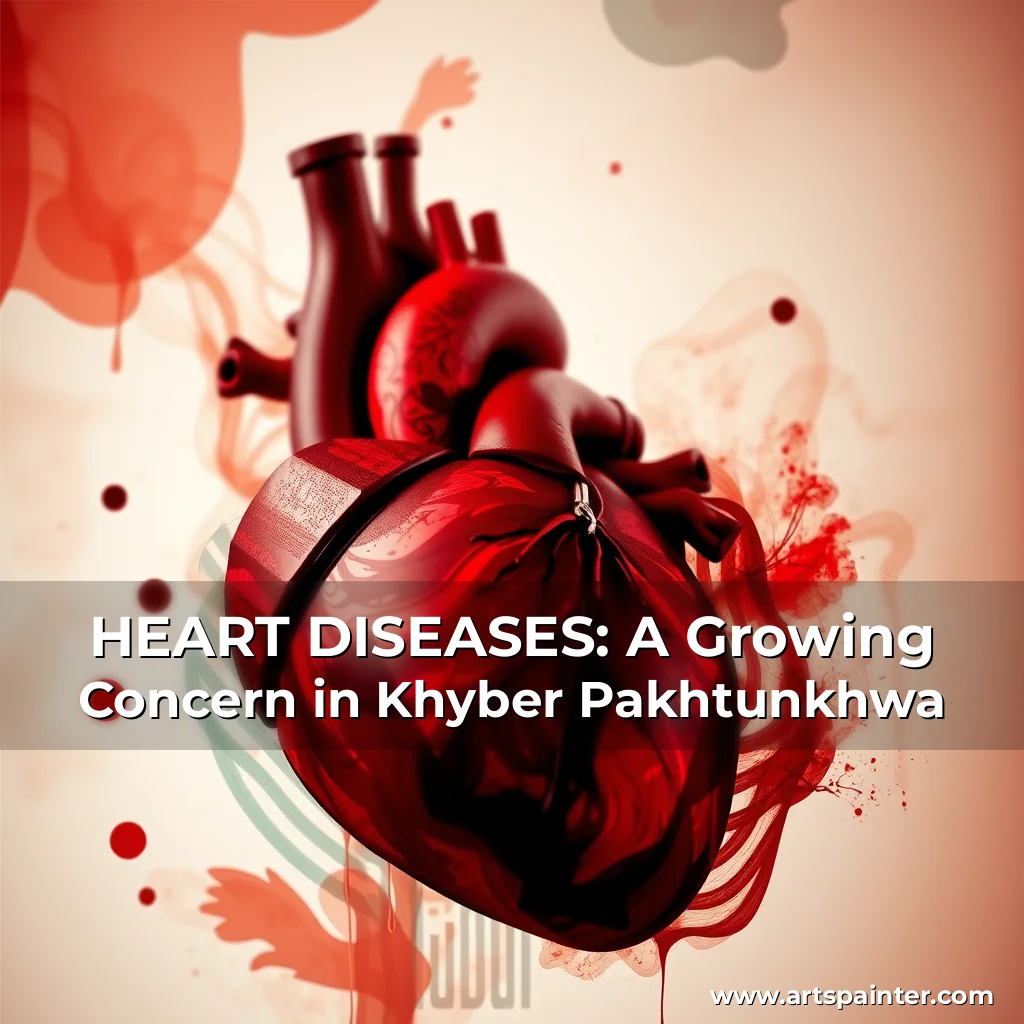
In Pakistan, heart diseases are on the rise. The incidence of heart diseases in Khyber Pakhtunkhwa (KP) is increasing at an alarming rate, leading to a serious health concern. According to the Peshawar Institute of Cardiology (PIC), in just one year, the number of heart patients has alarmingly increased by about 50 per cent. In 2023, it catered to 61,000 patients, but in 2024, there were more than 100,000 cases. Likewise, there were 1,326 cardiac surgeries in 2023, whereas the number jumped to 1,900 in 2024, including 236 paediatric surgeries. The alarming rise in heart diseases in KP can be attributed to several factors. One major factor is the poor diet and lifestyle of the population. The majority of the population in KP consumes a diet rich in unhealthy fats, salt, and sugar, which increases the risk of heart diseases. Additionally, physical inactivity is another major factor, as many people in KP do not engage in regular physical activity, which is essential for maintaining good heart health. To address this issue, the KP health authorities should launch awareness campaigns to guide people about heart diseases and how to stay healthy. These campaigns should focus on educating the public about the risks of heart diseases, providing them with healthy eating habits and regular exercise, and promoting lifestyle changes that can help prevent heart diseases. In addition to awareness campaigns, there are other measures that can be taken to address the rising incidence of heart diseases in KP. The government can establish more cardiac care facilities, including hospitals and clinics, to provide better healthcare services to the people. The provision of affordable healthcare services can help increase access to healthcare, especially for those who cannot afford it. Furthermore, community-based initiatives can also play a crucial role in addressing the rising incidence of heart diseases in KP. Organizations and individuals can work together to establish community-based programs that promote physical activity, healthy eating habits, and lifestyle changes. These programs can help raise awareness about the importance of heart health and provide support to individuals who want to make lifestyle changes. Overall, the rising incidence of heart diseases in KP is a serious concern that requires immediate attention. The KP health authorities and the government must work together to address this issue and provide better healthcare services to the people. By launching awareness campaigns, establishing more cardiac care facilities, and promoting community-based initiatives, we can help prevent heart diseases and promote heart health in KP.
Table of Contents
The Importance of Art Education
In Pakistan, art education is often overlooked. Children from marginalized communities often lack access to art education, which can limit their opportunities for self-expression, economic empowerment, and social change. Art education can help children rewrite their stories, challenge stereotypes, and develop skills that lead to livelihoods. In Pakistan, art education is largely absent from public schools, which means that many children are missing out on this essential part of their education. However, art education can be a powerful tool for social change. It can help marginalized children challenge the status quo and create a new narrative for themselves. Art education can also provide economic opportunities for children and their families, as they can develop skills that are in demand in the art market. For example, in Bangladesh, art education has helped create a thriving art market that provides livelihoods for many artists and craftspeople. The Pakistani government should recognize the importance of art education and take steps to integrate it into public schools. Art education should be included in the national curriculum, and schools should be equipped with the necessary resources and infrastructure to provide high-quality art education. Additionally, the government can provide support to art education programs, such as scholarships and grants, to ensure that children from marginalized communities have access to art education.
The Issue of Lazy Children
In Pakistan, lazy children are a common phenomenon. Parents often blame their children for being lazy, not doing anything outdoors, playing video games or using mobile phones all the time. But the problem is not with the children, it’s with the environment they live in. Do they have accessible sport complexes, proper playgrounds and parks? No!. Should they play in the streets? Are the streets safe? The land earmarked for playgrounds and parks has generally been grabbed by the mafia, while the streets have been taken over by the muggers. To address this issue, parents and policymakers must work together to create a safe and supportive environment for children to play and be active. Accessible sport complexes and playgrounds are essential for promoting physical activity and healthy lifestyles among children. The government can play a crucial role in providing funding and resources for the development of playgrounds and sports complexes. Additionally, parents can take steps to promote physical activity among their children, such as encouraging them to play outdoor games and sports.
Highlights
* The incidence of heart diseases in KP is increasing at an alarming rate. * Poor diet and lifestyle are major factors contributing to the rise in heart diseases. * Awareness campaigns, community-based initiatives, and government support are essential to address the issue. * Art education is crucial for marginalized children, providing opportunities for self-expression, economic empowerment, and social change. * Lazy children are not the problem, but rather the lack of access to safe and supportive environments for physical activity and play.

news is a contributor at Arts Painter. We are committed to providing well-researched, accurate, and valuable content to our readers.