Table of Contents
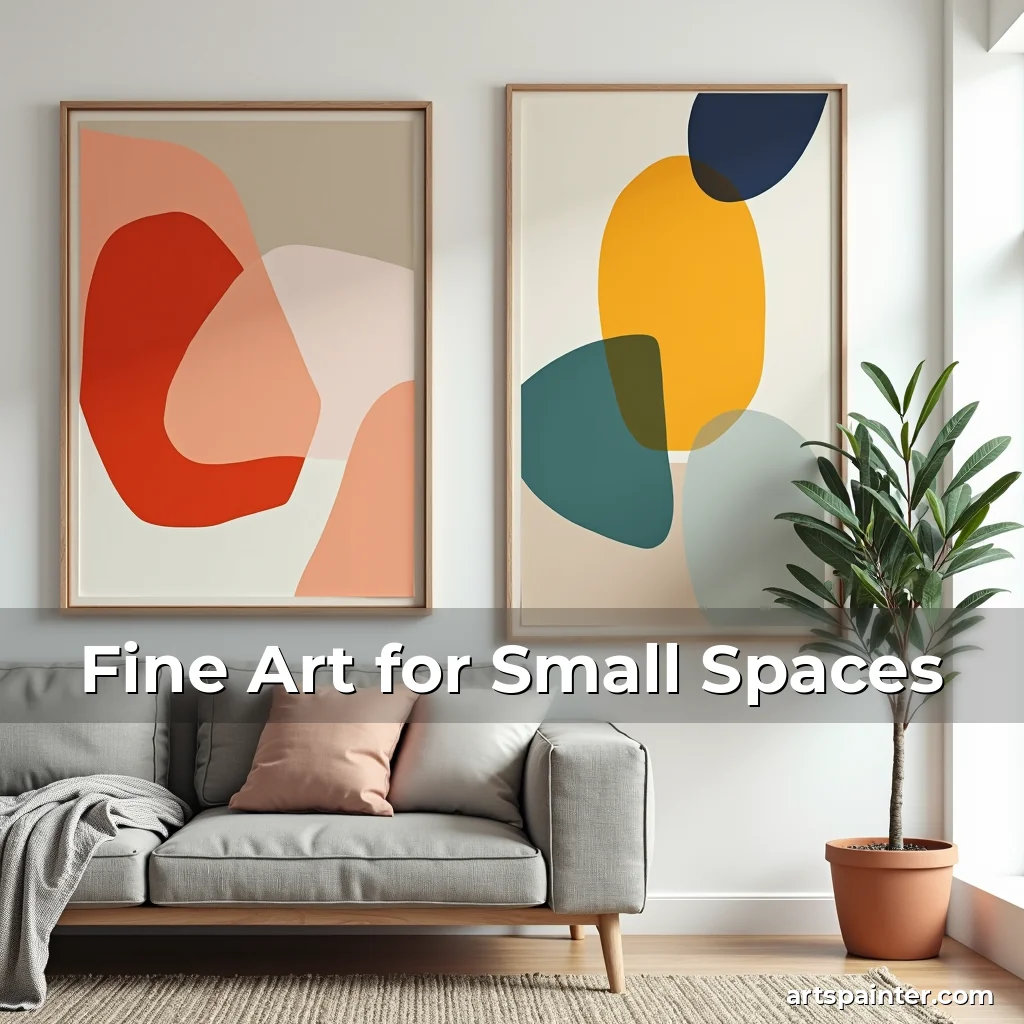
Fine Art for Small Spaces
Fine art has long been associated with grand galleries and expansive studios, but today’s creative professionals often work within tight constraints. Whether you’re painting in a corner studio, designing digital illustrations from your home office, or crafting mixed-media projects in a shared space, the challenge lies in maximizing artistic expression within limited square footage.
The shift toward remote work and flexible living arrangements means artists increasingly find themselves creating amidst urban apartments, co-living environments, or micro-studios. This new reality demands innovative approaches to both process and presentation, transforming challenges into opportunities for fresh perspectives in fine art creation.
Reimagining Fine Art Through Spatial Constraints
In traditional contexts, fine art is often defined by its scale and physical presence. However, when confined to small spaces, artists develop unique strategies that redefine the boundaries of their medium. Instead of relying solely on large-scale formats, creators focus on intimacy, texture, and emotional resonance that thrive in compact forms.
This paradigm shift encourages experimentation with miniature paintings, intricate line drawings, and scaled-down sculptures. Artists begin exploring how subtle shifts in perspective can elevate a tiny canvas to monumental proportions, proving that size does not dictate significance in the world of fine art.
- Miniature masterpieces: Tiny artworks require meticulous attention to detail, allowing artists to demonstrate precision and control that might go unnoticed in larger compositions.
- Mindful composition: Limited space forces deliberate placement of elements, fostering a deeper understanding of balance and visual hierarchy.
- Material innovation: Smaller formats open doors to unconventional materials, from delicate threads to fragile paper, expanding the artist’s toolkit.
Prioritizing Versatility in Artistic Materials
Selecting the right materials becomes critical when working within restricted dimensions. Traditional mediums may not always translate well to compact setups, necessitating thoughtful choices that optimize both functionality and creative potential.
For instance, fluid paints like watercolors or diluted acrylics offer flexibility in small-scale projects, enabling quick adjustments and layering effects. Meanwhile, solid-state materials such as modeling clay provide tactile experiences ideal for sculptural miniatures.
Adaptable Surfaces for Compact Workspaces
Choosing surfaces that maximize utility without consuming excessive space proves essential. Foldable easels, collapsible palettes, and modular sketchboards allow artists to transition seamlessly between different activities while maintaining organization.
Some professionals invest in multi-functional furniture designed specifically for creative pursuits, incorporating built-in compartments for storing brushes, pigments, and other essentials. These smart designs help reduce clutter while preserving accessibility to tools during active创作 sessions.
Tailoring Techniques for Restricted Environments
Technique adaptation plays a crucial role in making the most out of constrained conditions. Artists often modify established practices to suit their available space, developing personalized workflows that enhance efficiency without compromising quality.
A notable example involves shifting from extensive preliminary sketches to direct mark-making on final surfaces. This approach eliminates the need for additional paper stock, streamlining processes in cramped quarters.
- Quick-drying media: Selecting fast-setting materials minimizes waiting times, preventing interruptions in workflow caused by extended drying periods.
- Digital integration: Combining traditional methods with digital editing tools offers hybrid solutions that save physical space while extending creative possibilities.
- Portable equipment: Investing in lightweight, travel-friendly supplies enables spontaneous creations whenever inspiration strikes outside dedicated studio settings.
Crafting Impact Through Intimate Scale
While larger works command immediate attention, small-format art
Community Building Within Confined Creative Ecosystems
Creating meaningful connections remains essential despite spatial limitations. Artists actively participating in local meetups cultivate supportive networks that transcend geographical barriers inherent in small-space living situations.
Participating in pop-up exhibitions allows showcasing work temporarily without demanding permanent exhibition infrastructure. Collaborative residencies pair individuals with shared interests, pooling resources and ideas efficiently.
- Mobile studios: Portable workstations facilitate participation in communal events held at venues lacking fixed creative spaces.
- Artist swaps: Exchanging finished pieces with peers fosters appreciation for diverse styles while providing motivation for continued creation cycles.
- Workshop exchanges: Sharing skill sets strengthens collective abilities, enabling participants to tackle complex projects collaboratively rather than individually.
Financial Considerations for Aspiring Artists
Managing expenses wisely is crucial when establishing an artistic practice within financial constraints typical of small-space living scenarios. Budget-conscious decisions don’t necessarily compromise quality or longevity of output.
Investing in durable yet economical materials reduces frequent replacement costs. Utilizing secondhand markets for used equipment maintains affordability without sacrificing performance standards expected from professional-grade tools.
- Subscription models: Monthly memberships granting access to premium resources represent cost-effective alternatives compared to buying outright.
- Freelance platforms: Offering services through online gig economy sites diversifies income streams while building portfolios simultaneously.
- Local grants: Applying for community-based funding programs supports emerging artists engaged in socially relevant projects worthy of public investment.
Sustainable Approaches to Artistic Practice
Eco-consciousness influences decision-making regarding material selection, energy consumption, and waste management—particularly pertinent considerations for artists functioning within environmentally aware frameworks.
Opting for biodegradable packaging and non-toxic pigments aligns with green initiatives aimed at minimizing ecological footprints left behind after artistic endeavors conclude.
- Recycled substrates: Using reclaimed wood or repurposed fabric serves dual purposes of sustainability and aesthetic enhancement.
- Energy-efficient devices: Choosing LED lighting fixtures lowers electricity usage required for illuminating workspaces effectively.
- Water conservation: Implementing closed-loop water recycling systems benefits both environmental stewardship and operational efficiency.
Conclusion
Fine art creation thrives in all environments, including the smallest corners of our lives. By embracing the challenges presented by limited space, artists unlock unprecedented creative freedom and expressive depth.
Whether working alone or collaborating with others, maintaining awareness of material choices, technical adaptations, and environmental responsibilities empowers sustainable progress along individual artistic journeys. In doing so, we reaffirm that true mastery transcends physical confines, residing instead within the boundless imagination capable of transforming even modest beginnings into extraordinary expressions of human experience.

news is a contributor at Arts Painter. We are committed to providing well-researched, accurate, and valuable content to our readers.