Table of Contents
Fine Art: Essential Tools and Resources
In today’s dynamic artistic landscape, fine art remains a cornerstone of creative expression. For painters, sculptors, and digital creators alike, mastering the fundamentals is essential.
This guide explores critical tools, techniques, and resources that every serious artist needs to thrive in their practice.
The Evolution of Fine Art Materials
Fine art has evolved significantly over centuries through advancements in materials and methods. From ancient cave paintings to modern acrylics, each era introduced new possibilities.
Traditional mediums like oil paints have been used since the Renaissance period, offering rich textures and long-lasting vibrancy. Contemporary artists now have access to synthetic alternatives without compromising quality.
- Oil Paints: Known for their versatility and deep color saturation, they remain popular among professional painters worldwide.
- Acryllics: These water-based paints dry quickly and allow layering techniques not possible with oils alone.
- Digital Media: Software like Procreate and Adobe Fresco provide limitless options for those preferring virtual canvases.
Understanding these material choices helps artists select what best suits their style and workflow preferences.
Essential Painting Equipment List
Building an effective painting toolkit requires careful selection based on individual needs. Quality brushes make all difference when creating intricate details or broad strokes.
Easel types vary from portable models suitable for outdoor sessions to heavy-duty studio setups designed for larger works. Choosing between wooden versus adjustable easels depends largely on workspace requirements.
- Brushes: Invest in sets containing various shapes such as round, flat, filbert which cater different applications.
- Canvas Boards: Affordable yet durable surfaces perfect for practicing compositions before final pieces.
- Paper Towels: Useful for blotting excess paint during blending processes.
Maintaining your equipment properly extends its lifespan while ensuring consistent results across projects.
Techniques That Define Modern Fine Art
Mastering diverse techniques allows artists greater control over texture, light effects, and overall composition within their work. Wet-on-wet method creates soft transitions ideal for landscapes.
Impasto technique involves thick layers applied using palette knives resulting in three-dimensional surface qualities. This approach adds depth beyond traditional two-dimensional formats.
Glazing refers to applying thin transparent layers onto dried underpaintings enhancing luminosity levels naturally.
Each method serves distinct purposes; experimenting with combinations can lead to innovative visual outcomes tailored specifically towards personal styles.
The Role Of Composition In Fine Art
Composition forms backbone of any successful artwork by guiding viewer’s eye movement logically throughout piece. Strategic placement ensures balance between elements without overwhelming senses.
Rule of thirds divides frame into nine equal parts helping position focal points effectively. Leading lines direct attention toward key areas establishing narrative flow effortlessly.
Symmetry provides harmony but may feel static compared asymmetrical arrangements which introduce dynamism via contrast placements.
Becoming proficient at manipulating space relationships elevates aesthetics dramatically regardless medium chosen whether canvas, sculpture, or mixed media installations.
Creative Inspiration Sources For Artists
Artists continuously seek fresh ideas fueling innovation within creations. Nature offers endless inspiration through colors changing daily according to weather conditions affecting moods visually.
Photography captures moments preserving them indefinitely providing reference materials useful later when translating scenes manually onto paper or digital platforms.
Videos documentaries explore human experiences revealing emotional nuances translatable abstractly through brushstrokes or form manipulations depending upon preferred discipline.
Museums house historical artifacts alongside contemporary exhibitions exposing viewers simultaneously past achievements present challenges shaping future directions creatively.
Online Communities And Networking Opportunities
Engaging with fellow creatives online fosters growth accelerating skill development exponentially faster than solitary efforts ever could achieve individually.
Websites like DeviantArt host portfolios showcasing talents globally accessible anytime anywhere facilitating connections transcending geographical boundaries easily.
Instagram hashtags #FineArtFriday enable discovery weekly featuring emerging talents encouraging mutual support amongst peers regularly.
Participating workshops either virtually live stream sessions expand knowledge base acquiring skills previously unknown unlocking potential hidden capacities dormant awaiting activation.
Professional Development Through Exhibitions And Competitions
Showcasing artworks publicly builds credibility attracting industry recognition validating artistic merit objectively measurable criteria established beforehand.
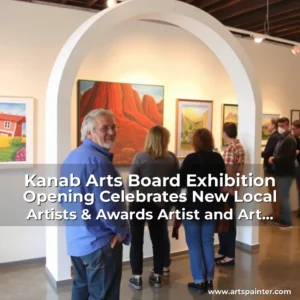
Local galleries often feature regional talents promoting community engagement strengthening local economies benefiting everyone involved directly indirectly.
National competitions judge entries impartially selecting winners based solely technical proficiency conceptual originality combined seamlessly together forming cohesive whole exceeding expectations set forth initially.
Winning awards boosts visibility opening doors opportunities leading potentially careers dedicated full-time pursuits transforming passion profession sustainably financially viable option achievable realistically attainable goal worthy pursuing earnestly diligently consistently.
Conservation Practices For Preserving Fine Artworks
Proper handling storage display environments determine longevity condition maintained over time preventing deterioration damage caused neglect improper care.
Humidity controlled rooms prevent mold growth yellowing discoloration occurring frequently humid climates unless precautions taken actively monitored maintained vigilantly.
Light exposure must minimized especially UV rays damaging pigments fading altering hues permanently irreversible changes once occurred cannot undone restored completely back initial state achieved originally created intended purpose fulfilled adequately sufficiently appropriately.
Regular maintenance inspections ensure early detection issues resolving problems promptly before escalating becoming unmanageable requiring extensive costly repairs interventions possibly even loss entire collection irretrievably vanished forever lost entirely due mismanagement oversight ignorance unawareness regarding importance preservation measures necessary safeguarding investments made priceless treasured possessions cherished deeply passionately loved dearly held dear heart souls behind every masterpiece produced painstakingly crafted lovingly nurtured carefully preserved meticulously protected relentlessly defended fiercely guarded against threats lurking dangers everywhere silently waiting patiently biding time strike unexpectedly catch off guard vulnerable unprotected defenseless exposed mercilessly ravaged devastated destroyed annihilated obliterated wiped clean erased deleted removed eliminated eradicated exterminated annihilated obliterated.
Conclusion
Fine art encompasses much more than mere aesthetic appeal—it represents cultural narratives shaped over generations reflecting societal values evolving constantly adapting new influences arising continually.
Equipping oneself thoroughly understanding available tools techniques communities resources empowers artists navigating complex terrain confidently boldly fearlessly embracing challenges ahead knowing fully prepared equipped ready迎接任何创作旅程中可能遇到的障碍。

news is a contributor at Arts Painter. We are committed to providing well-researched, accurate, and valuable content to our readers.