Table of Contents
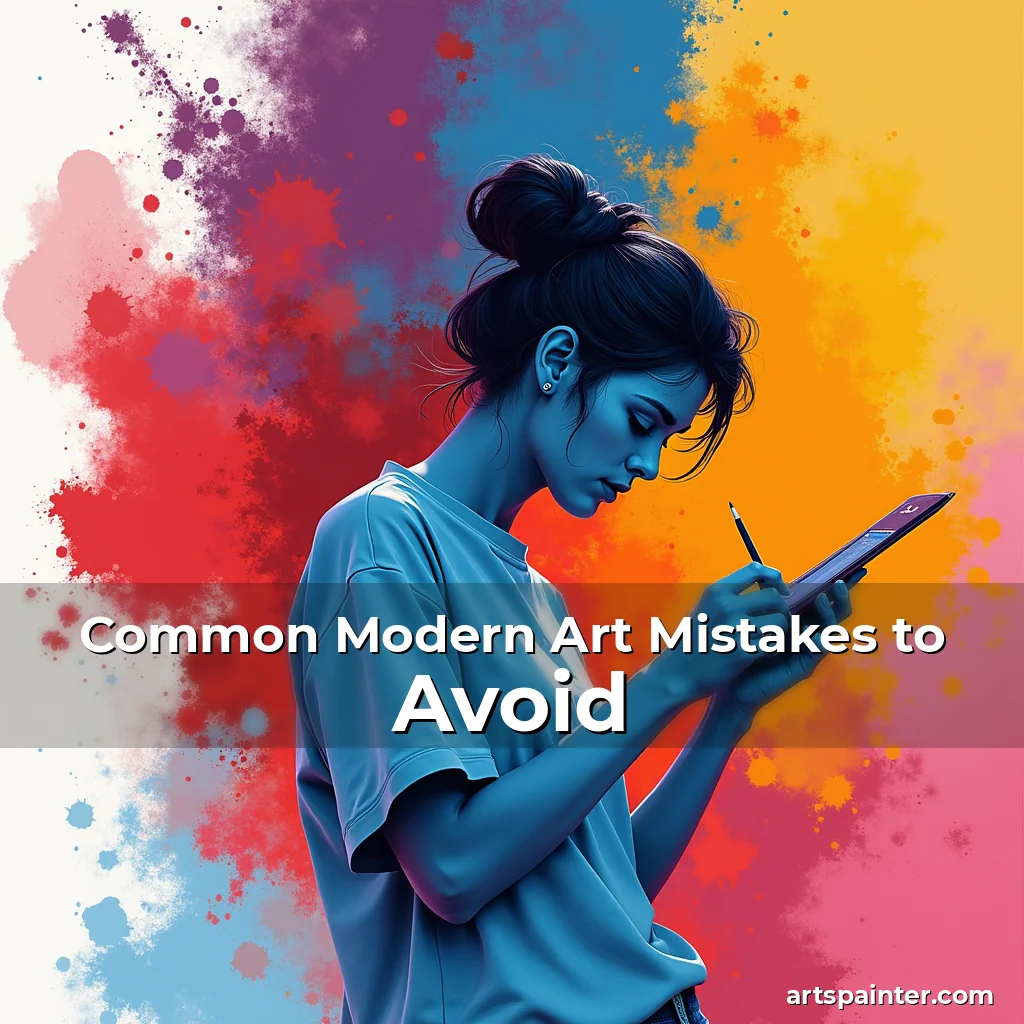
Common Modern Art Mistakes to Avoid
In the dynamic world of modern art, even seasoned creators can stumble over pitfalls that undermine their vision. Whether you’re an emerging artist or a professional painter exploring contemporary techniques, avoiding these common mistakes is crucial for growth.
The key lies in understanding what makes modern art distinct from traditional styles while maintaining your artistic integrity. Let’s explore some frequent missteps that could hinder your progress as an artist.
Lack of Conceptual Clarity
A strong concept forms the foundation of any impactful artwork. Without clear direction, your piece may appear disjointed or confusing to viewers.
Modern art often emphasizes themes rather than technical perfection. However, without a well-defined idea, your work risks losing its purpose and resonance.
To avoid confusion, begin by asking yourself: What message do I want to convey? How does my chosen medium enhance this message?
- Define your core theme: Focus on a single central idea instead of trying to incorporate too many elements.
- Create visual metaphors: Use symbolic imagery that aligns with your conceptual framework.
Artists who invest time in refining their concept tend to produce more cohesive and meaningful works that resonate deeply with audiences.
Overlooking Technical Execution
While conceptual clarity is vital, neglecting technical skills can weaken your ability to communicate ideas effectively through your work.
Modern art doesn’t require perfect brushwork but demands control and intentionality in execution. Poor technique can distract from your intended message.
Regular practice helps maintain proficiency across various mediums and techniques. Consider setting aside dedicated time for skill development alongside creative projects.
Experimentation within technical boundaries allows for innovation without compromising quality. Balance creativity with foundational knowledge.
Misinterpreting Contemporary Trends
Fashionable trends might seem appealing, but blindly following them can lead to derivative or unoriginal work.
Contemporary art thrives on individual expression rather than trend-chasing. Your unique perspective adds value to the art scene.
Stay informed about current movements but remain true to your personal style. Authenticity resonates more strongly with discerning audiences.
Engage critically with new developments in the field rather than merely imitating surface-level aspects of popular styles.
Ignoring Viewer Engagement
Your artwork exists to connect with people, yet many artists overlook how their choices affect audience interpretation.
Consider the emotional impact of color palettes, composition, and subject matter before finalizing your piece.
Interactive elements or thought-provoking questions embedded in your work can deepen viewer engagement significantly.
Test different approaches by seeking feedback early in the creation process to refine your approach based on real responses.
Underestimating Material Choices
The materials you select influence both aesthetics and longevity of your artworks. Choosing inappropriate supplies can compromise your vision.
Investigate properties of paints, canvases, and other media thoroughly before beginning a project. Some combinations react unpredictably when layered together.
Research archival qualities of materials especially for pieces meant for long-term display or sale. Proper preparation prevents future deterioration issues.
Don’t assume all commercial-grade products are suitable; sometimes specialized items yield better results for specific effects you aim to achieve.
Poor Composition Planning
Effective composition guides the viewer’s eye through your artwork naturally. Neglecting this aspect creates chaotic or unbalanced visuals.
Study principles of design such as balance, contrast, and rhythm to create visually compelling arrangements.
Sketch preliminary layouts before committing to final execution. This helps identify potential problems early on.
Use grid systems or compositional tools during planning stages to ensure harmony among visual elements.
Limited Color Theory Application
Color plays a critical role in conveying emotion and meaning in modern art. Misusing colors can alter intended messages dramatically.
Understanding color relationships enables you to evoke desired psychological responses from viewers consistently.
Experiment with complementary schemes, analogous groupings, or monochromatic variations depending on your thematic goals.
Keep color palettes cohesive across series of works to establish recognizable stylistic identities that reinforce your brand as an artist.
Insufficient Research Into Historical Context
Knowledge of past artistic movements informs present-day innovations. Ignoring historical context limits opportunities for meaningful dialogue between eras.
Studying seminal figures in modern art reveals patterns in evolution that help contextualize current practices within broader narratives.
Make connections between classical techniques and contemporary reinterpretations to enrich your own creative vocabulary.
Historical awareness also aids in distinguishing genuine innovation from mere imitation when developing new approaches.
Disregarding Artistic Ethics
Ethical considerations extend beyond copyright concerns to include responsible representation of subjects and cultural sensitivity.
Respect intellectual property rights by properly attributing influences rather than appropriating others’ work without acknowledgment.
Cultural appropriation becomes problematic when there’s no respect shown toward traditions being borrowed from. Always seek permission where necessary.
Maintain transparency regarding sources used in mixed-media works so viewers understand origins behind composite images created.
Neglecting Professional Development Opportunities
Growing professionally requires continuous learning through workshops, exhibitions, and networking events tailored to modern artists.
Participate actively in local gallery openings or online forums to stay connected with fellow creatives working at similar levels.
Take advantage of mentorship programs offered by established institutions that provide guidance specifically for emerging talents.
Attend residencies focused on experimental methods which push boundaries safely under expert supervision.
Inadequate Marketing Strategies
Becoming visible in today’s competitive market demands strategic marketing efforts aligned with modern artistic values.
Build an authentic digital presence using platforms designed for visual storytelling rather than generic social media accounts.
Create content that showcases not only finished works but also processes involved in making them more transparently accessible to followers.
Collaborate with curators or bloggers specializing in contemporary art spaces to gain exposure within targeted communities.
Failure to Adapt Technologically
Digital tools now play significant roles in modern artistic production despite traditionalist views still prevalent among some practitioners.
Master software applications relevant to your discipline whether they involve photo manipulation, 3D modeling, or virtual reality integration.
Explore hybrid formats combining physical artwork with interactive components available via mobile devices or augmented reality interfaces.
Stay updated on technological advancements through industry publications ensuring you remain equipped with latest capabilities applicable to your craft.
Undervaluing Criticism
Critique provides invaluable insight into areas needing improvement regardless of how difficult hearing negative comments feels personally.
Approach criticism constructively by separating personal feelings from objective analysis provided by knowledgeable observers.
Seek out mentors whose expertise complements your strengths helping navigate challenges encountered along creative journeys.
Remember that every great masterpiece went through iterations shaped substantially by external input before reaching final form.
Overcommitment to Single Medium
Versatility enhances adaptability allowing exploration of diverse expressions beyond limitations imposed by sticking strictly to one method.
Experiment with alternative materials periodically refreshing perspectives gained through unfamiliar tactile experiences.
Develop fluency across multiple disciplines enabling seamless transitions between abstract experimentation and representational accuracy whenever needed.
This flexibility opens doors previously inaccessible creating unexpected synergies beneficial both creatively and commercially.
Conclusion
By recognizing these common pitfalls, artists can refine their approach towards producing more intentional and effective modern artworks.
Continuous self-assessment combined with proactive engagement with evolving standards ensures sustained relevance amidst changing artistic landscapes.

news is a contributor at Arts Painter. We are committed to providing well-researched, accurate, and valuable content to our readers.