Table of Contents
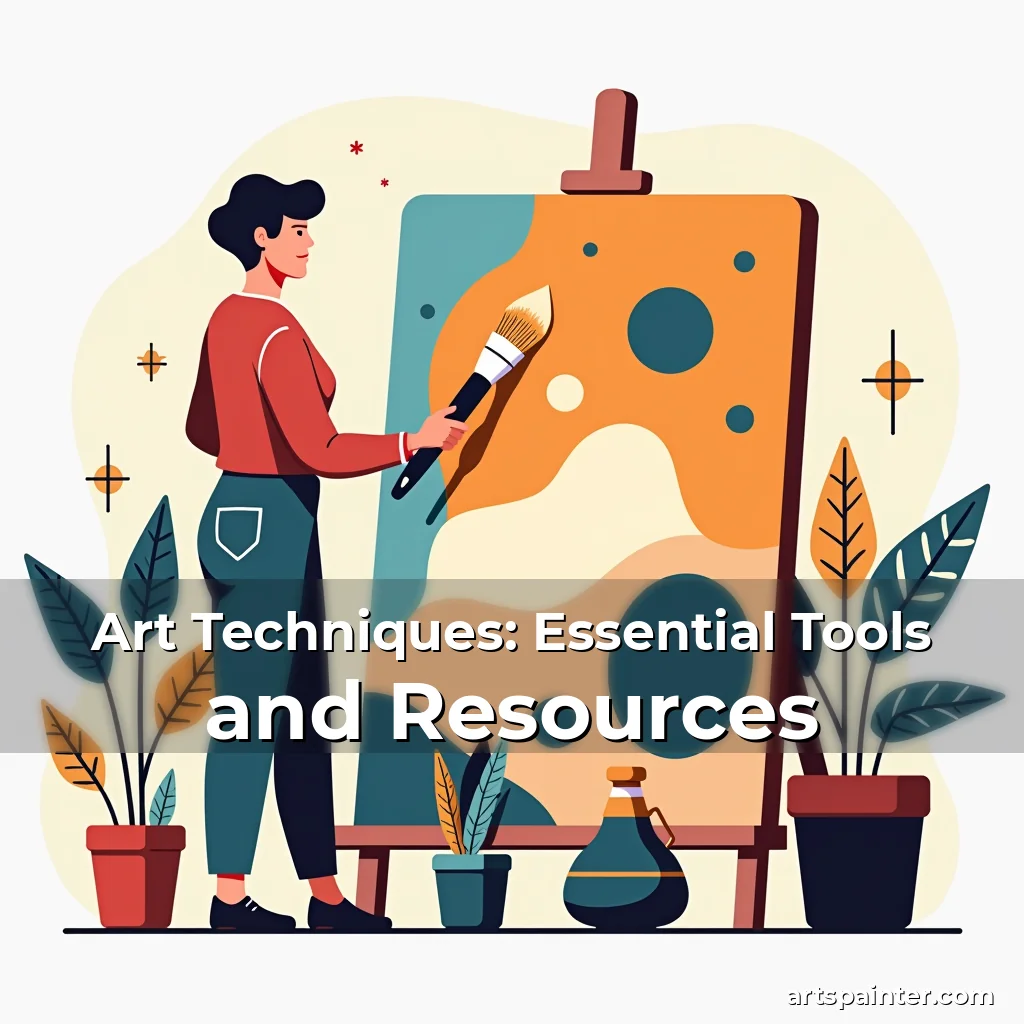
Art Techniques: Essential Tools and Resources
The world of art is vast and diverse, encompassing countless styles, mediums, and methods that allow creativity to flourish. For painters, sculptors, digital artists, and creators across various disciplines, mastering effective art techniques can elevate their work from good to extraordinary. Whether you’re an emerging artist or a seasoned professional, understanding these foundational tools and practices opens new doors for expression.
In today’s rapidly evolving artistic landscape, staying informed about innovative approaches and time-tested methodologies is crucial. This guide explores essential art techniques designed to enhance your skills while inspiring fresh perspectives. By delving into different forms of visual storytelling, material application strategies, and historical context, we aim to provide practical knowledge applicable to any creative journey.
The Fundamentals of Traditional Painting Methods
Painting remains one of humanity’s oldest artistic expressions, rooted in ancient civilizations yet continually reinvented through modern innovations. Understanding traditional painting techniques not only connects us to our cultural heritage but also provides fundamental principles upon which contemporary practices are built.
The choice between oil, acrylics, watercolor, gouache, tempera, and other paint types significantly impacts both the creation process and final outcome. Each medium offers distinct properties regarding drying times, color vibrancy, layering capabilities, and surface compatibility. Artists must consider these factors when selecting materials suitable for their intended project goals.
Brushwork plays a pivotal role in shaping texture and form within paintings. Different brush shapes such as flat brushes create broad strokes ideal for backgrounds while round-tipped brushes excel at intricate detailing tasks. Experimentation with bristle stiffness further influences how pigments flow onto surfaces during application.
Variations in technique include impasto where thick layers of paint add dimensionality contrasted against glazing that involves applying thin translucent washes over dried underpaintings. These contrasting approaches demonstrate how manipulating pigment thickness affects depth perception and emotional resonance within compositions.
- Impasto Technique: Involves building up heavy layers of paint using stiff brushes or palette knives to produce three-dimensional textures often used in expressive works by artists like Van Gogh
- Glaze Application: Requires careful preparation of diluted paints applied sequentially atop each other after previous layers have fully cured allowing subtle shifts in hue and saturation levels
Familiarity with preparatory steps such as gesso priming ensures optimal adhesion between substrates and subsequent paint applications. Properly prepared canvases prevent unwanted absorption issues which could distort colors or compromise structural integrity especially with water-based media.
Traditional painting continues to evolve alongside technological advancements without losing its core essence. Incorporating elements from digital design software into mixed-media pieces showcases adaptability while maintaining respect for classical foundations.
Digital Artistry: Bridging Analog Skills With Software Innovation
The rise of digital art has revolutionized creative processes available to visual storytellers globally. While some may perceive it solely as an alternative method rather than an extension of traditional skill sets, mastery requires similar dedication towards refining technical proficiency.
Understanding basic functionalities behind graphic tablets enables precise control necessary for replicating hand-drawn aesthetics digitally. Pressure sensitivity features found in advanced styluses mimic natural pencil lead resistance helping achieve consistent line weights akin to conventional drawing implements.
Selecting appropriate software based on individual needs becomes critical factor determining workflow efficiency. Programs ranging from Adobe Photoshop to Corel Painter offer varying degrees customization options tailored specifically toward particular artistic preferences whether focusing primarily on illustration or conceptual development stages.
Leveraging vector graphics versus raster formats presents strategic advantages depending upon desired outcomes; vectors maintain scalability qualities perfect for logos whereas rasters preserve pixel-level detail advantageous for photo-realistic renderings among others.
Mastering Layers And Blending Modes In Digital Creation
Layer management constitutes backbone operation central to efficient digital artwork production. Utilizing separate layers allows independent editing without affecting entire composition thereby facilitating experimentation safely before committing changes permanently.
Blending modes function similarly conceptually compared to physical mixing techniques employed traditionally however they operate mathematically influencing how pixels interact visually. Understanding these functions empowers manipulation beyond mere opacity adjustments enabling complex effects previously unimaginable manually.
A survey conducted amongst professional illustrators revealed approximately seventy-five percent utilize layer groups extensively improving organization complexity particularly evident when working simultaneously across multiple characters scenes within single piece.
Optimal use case scenarios involve isolating specific components requiring frequent modification then adjusting associated blending settings accordingly ensuring seamless integration once finalized transitions occur naturally enhancing overall cohesion across all compositional elements present.
Additionally incorporating masks facilitates non-destructive editing practices preserving original data until ready for permanent alterations thus reducing risk potential during iterative refinement phases commonly encountered throughout project lifecycles.
Mastery over these digital tools parallels analog counterparts necessitating equal emphasis placed upon practice routines aimed consistently refining accuracy speed precision required proficient execution regardless chosen platform utilized.
Sculptural Practices Across Mediums: From Clay To Metal Work
Sculpture transcends static representation through dynamic interaction inviting viewers engage physically space occupied by objects themselves. Diverse mediums including clay ceramics stone wood metal glass offer unique challenges opportunities shaping three dimensional narratives effectively communicated.
Ceramic sculpture emphasizes transformation via firing processes altering raw materials fundamentally changing characteristics properties ultimately defining finished product’s durability resilience aesthetic appeal determined largely initial formulation decisions made early stages fabrication cycle.
Working with metals introduces additional considerations surrounding heat treatment welding soldering casting techniques demanding specialized equipment training safety protocols paramount ensuring successful results minimizing hazards posed improper handling procedures neglecting established best practices industry standards.
Each medium demands specialized tools optimized respective material requirements; chisels mallets for stone carving differ vastly from wire loop tools employed manipulating delicate filigree patterns metallic structures requiring utmost care precision executed correctly avoids damaging intricate designs easily compromised careless movements.
Historical significance embedded within sculptural traditions informs contemporary interpretations reflecting cultural evolution values continuously reinterpreted adapting current societal contexts relevance maintained through thoughtful engagement past legacies incorporated innovatively forward-thinking visions developed present moment.
Collaborative Approaches Enhancing Creative Development Through Community Engagement
Participation within collaborative environments fosters growth accelerating learning trajectories through shared experiences knowledge exchange occurring organically spontaneous interactions contributing rich tapestry mutual support systems nurturing collective advancement artistic communities worldwide.
Judging competitions serve dual purpose acting catalyst motivating self-improvement evaluating progress objectively providing structured feedback mechanisms guiding future directions identifying areas needing enhancement prioritizing efforts accordingly.
Workshops facilitate direct instruction acquiring technical competencies honing specific skills previously unexplored expanding repertoire abilities encouraging exploration boundaries previously considered limitations now transformed opportunities expansion horizons.
Peer critiques function equally vital role cultivating openness receptivity constructive criticism indispensable component developing matured perspective capable discerning strengths weaknesses accurately assessing personal contributions larger body work produced collectively.
By integrating these community-driven initiatives strategically within broader creative journeys artists cultivate robust networks resources access invaluable mentorship relationships potentially leading breakthrough moments career-defining collaborations transformative encounters reshaping professional trajectories profoundly impacting long-term success prospects.
Photography As Integral Component Modern Visual Storytelling Practices
Incorporating photographic imagery enhances narrative depth adding realism credibility dimensions otherwise difficult achieve purely through painted representations alone. Strategic composition lighting choices determine how subjects interact spatially emotionally evoking responses audiences seeking meaningful connections visuals presented.
Different genres photography require distinct approaches mastering fundamentals exposure metering white balance composition lays groundwork versatile foundation applicable across varied scenarios whether capturing landscapes portraits abstract compositions aiming evoke certain moods atmospheres explicitly conveyed intentional selections.
Lens selection significantly alters perceived reality distorting focal lengths compressing distances creating illusions otherwise impossible attain naturally framing subjects creatively directing attention precisely wanted emphasized aspect scene rendered compellingly memorable manner.
Post-processing software extends creative possibilities manipulating tones contrasts sharpening details retouching imperfections achieving polished finishes aligning closely intended vision articulated pre-shoot preparations meticulously planned executed ensuring consistency quality demanded commercial productions fine arts projects alike.
Balancing authenticity artificial enhancements remains crucial consideration maintaining ethical standards respecting subject matter integrity preserving genuine essence captured original moment ensuring manipulated versions remain true reflections realities documented initially.
Exploring Mixed Media Composition Strategies Expanding Expressive Capabilities
Mixed media art combines multiple materials techniques producing layered complex works challenging conventional categorizations promoting interdisciplinary dialogues enriching viewer experience through multifaceted sensory engagements heightened by tactile auditory elements occasionally integrated thoughtfully selected supplementary components.
Material compatibility dictates successful integration preventing conflicts degradation overtime; adhering strict guidelines regarding adhesives solvents pH balances prevents unexpected reactions ruining carefully constructed assemblies risking damage priceless investments considerable time effort poured entire endeavor.
Layer sequencing establishes hierarchy visibility managing competing elements ensuring clarity coherence despite increased density information packed tightly compressed spaces striving harmonious equilibrium rather chaotic confusion arising disorganization lack planning foresight.
Experimental approaches encourage innovation testing novel combinations discovering unforeseen synergies sparking inspiration guiding new directions previously undreamed possible opening pathways unprecedented creative explorations pushing boundaries redefining what considered achievable through combined artistic endeavors.
Educational institutions increasingly incorporate cross-disciplinary curricula fostering holistic understanding embracing diversity methodologies cultivating adaptable thinkers equipped navigate ever-changing global marketplace saturated intense competition demand versatility expertise spanning wide spectrum possibilities available modern practitioners.
Evolution Of Printmaking Techniques Over Centuries Shaping Cultural Identities
Printmaking stands as testament human ingenuity bridging gaps between accessibility permanence offering means mass reproduction without sacrificing artistic merit achieved through meticulous craftsmanship refined techniques passed down generations preserved within living traditions continually updated accommodate contemporary sensibilities.
Woodcut engraving etching lithography screen printing represent seminal milestones defining trajectory field each possessing distinctive qualities suited particular purposes; woodcuts lend boldness simplicity favoring reductionist aesthetics whereas etchings enable nuanced gradations subtlety lost coarser methods lacking fine tonal range.
Advancements technology introduced digital printmaking solutions revolutionizing process eliminating need manual labor retaining fidelity high resolution outputs comparable traditional counterparts though differing philosophies underpinning creation ethos diverge notably concerning authorship ownership rights challenged emergence reproducible copies identical originals raising questions legitimacy value attributed multiples limited editions issued deliberately restricted quantities increasing desirability collectibles market.
Despite mechanization printmaking retains deep roots folklore mythology religious iconography serving vital role documenting sociocultural developments memorializing significant events transforming ordinary objects imbued meaning symbolic power transcending temporal constraints enduring legacies witnessed archaeological excavations revealing artifacts bearing unmistakable imprints ancestral craftspeople devoted transmitting wisdom descendants through tangible manifestations ink pressed paper fabric textile surfaces.
Contemporary artists reinterpret classic forms infusing avant-garde concepts subverting expectations blurring lines distinction reproduction artifice crafting provocative statements questioning commodification status roles assigned creative outputs navigating shifting paradigms globalization homogenizing local identities simultaneously threatened reinforced via international exhibitions biennales bringing forth dialogues reconciling dichotomies preservation progression celebrating pluralism diversity celebrated hallmark modern era.
Conclusion
From traditional painting to cutting-edge digital techniques, the realm of art techniques encompasses a rich tapestry of methods waiting to be explored. Mastery over these diverse approaches enables artists to push creative boundaries while honoring centuries-old conventions that continue shaping modern aesthetics.
Embracing continuous learning remains imperative for sustained growth; experimenting boldly with unfamiliar mediums participating actively within supportive communities accessing educational resources keeps creative spirit alive thriving amidst constant change characterizing today’s fast-paced artistic environment.

news is a contributor at Arts Painter. We are committed to providing well-researched, accurate, and valuable content to our readers.